Tannins are natural and essential to wine. They also are wine’s most misunderstood element. Even wine scientists admit they do not fully understand tannins. One expert called tannins a “chemical train wreck.” Let’s explore.
What do we know? Tannins are natural organic and phenolic compounds found in almost all plants. They provide protection as a chemical deterrent against plant-eating animals and insects. Their bitter, astringent taste is unpalatable to herbivores. When consumed by insects and some herbivores, tannins interfere with digestion, negatively affecting growth and development.
Wine toasting I created in AI to give you something to look at
Tannins are powerful antimicrobial agents, protecting plants against bacterial, fungal, and viral infections. Tannins disrupt microbial cell walls and interfere with cellular processes. This is particularly important in bark and roots, where tannins are the first line of defense against soil-borne pathogens.
Tannins are potent antioxidants. They are important when plants produce elevated levels of potentially harmful free radicals as a result of drought and other environmental challenges.
Tannins efficiently absorb UV light, protecting against harmful solar radiation. Particularly important in sensitive plant tissues.
While tannins deter harmful organisms, they have a role in attracting beneficial insects, particularly pollinators. They also are involved in the activation of nodulation genes that favor nitrogen fixation in plants that have symbiotic relationships with nitrogen-fixing bacteria.
Tannins aid reproduction by helping seeds maintain dormancy by creating barriers to water uptake and germination. Located in the seed coat, tannins allow seeds to survive unfavorable conditions, then to germinate when conditions are favorable.
Tannins are among the most abundant secondary metabolites produced by plants. The multi-faceted success of the tannin-production strategy is proof of its efficacy.
But, enough of the general science, you are reading this to learn something about tannin in wine.
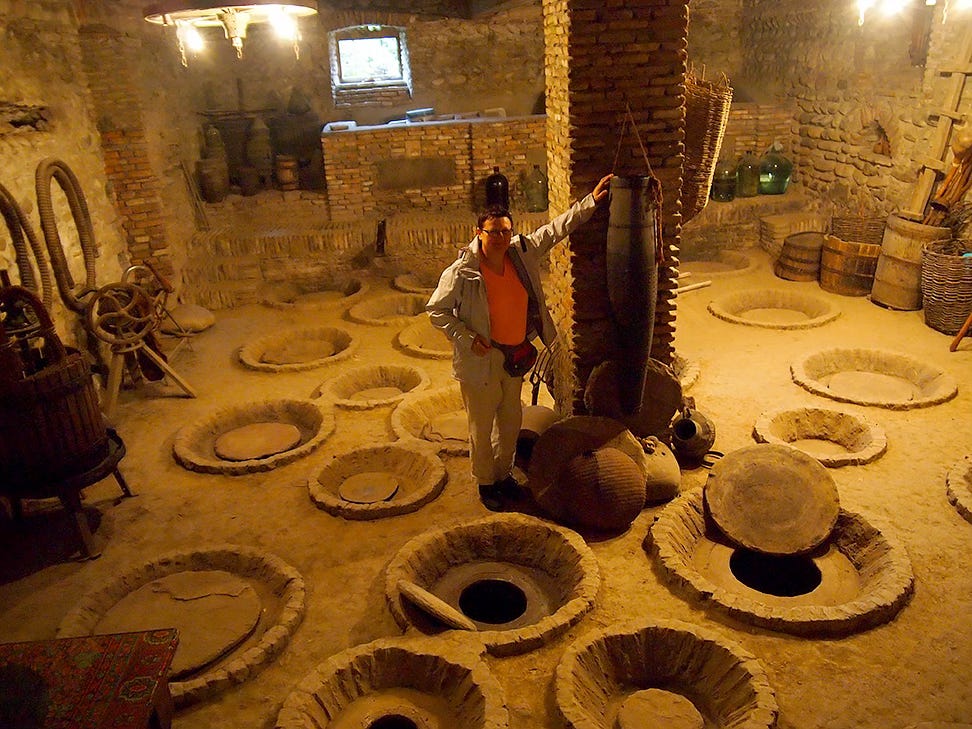
More AI art I created to keep you interested
Wine tannins primarily come from grape skins, seeds, and stems. Oak barrels also contribute, although oak tannins are different from grape tannins.
Tannins provide the body and a framework—structure—that supports other elements in wine, such as acidity, alcohol, and fruit flavors. Tannins also provide color (anthocyanins, a type of flavonoid, are responsible for red and purple hues in wine), astringency (puckering sensation inside your cheeks), and texture.
Texture or “mouthfeel” is the physical sensation in your mouth most often associated with wine tannins. Common texture descriptors include:
• Silky, velvety, fine. Smooth, refined tannins feel soft on the palate.
• Chalky, dusty. Tannins feel gritty or powdery.
• Grippy, astringent. Pronounced tannins create a drying sensation, think over-brewed tea.
• Granular. Tannins have coarse, rough texture.
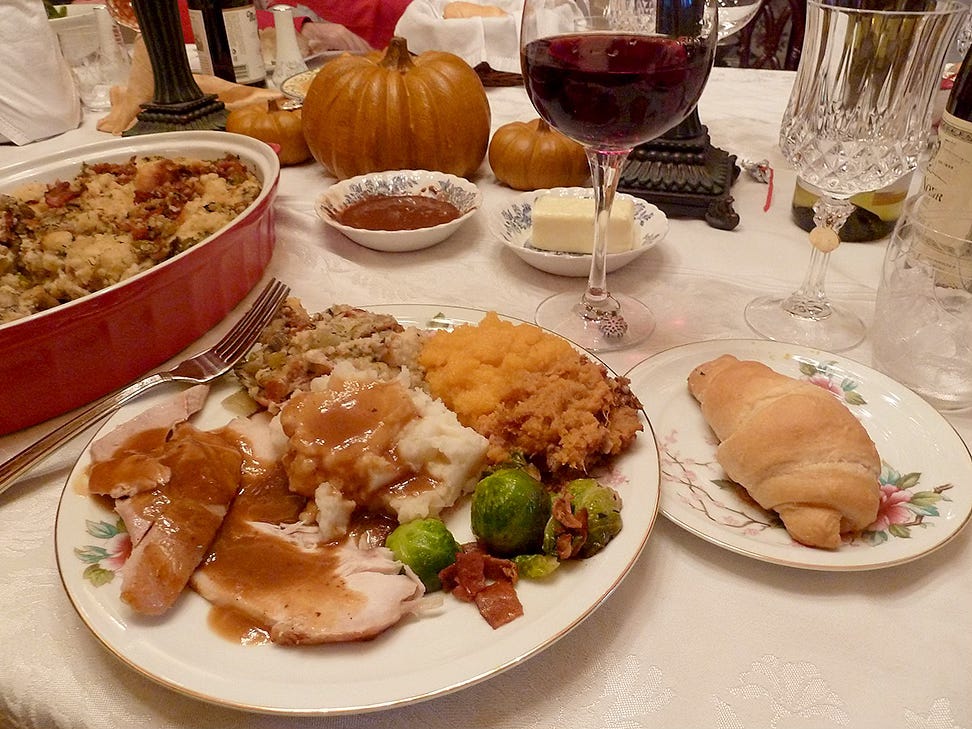
Tannins can be a key component in food pairing. They particularly interact with proteins and fats on a molecular level. Lipids in fatty foods bind to tannin molecules, reducing tannic astringency, activate salivary glands to help break down meat protein, and enhance both the wine fruit flavors and the savory meat flavors. That is why rich, tannic red wines are classic pairings with a juicy steak.
On the other hand, winemakers can deliberately reduce tannins by limiting by the amount of skin contact—often none or very little in white wines, minimal in rosé—which allows the acidity and fruit to play center stage. Avoiding oak reduces tannins, but some whites are aged in oak to gain oak tannins, which mainly influences mouthfeel and texture rather than astringency. Oak-aged whites usually fall into the silky, velvety, rounder, creamier category. With enough oak, there can be subtle drying and fine-grain elements, which adds complexity, enhances food compatibility, and boosts aging potential. But winemakers walk a tight rope here. Too much oak flavors and oak tannins in white wines creates a lurid, blowsy cartoon wine.
Tannins are a natural preservative. Tannins from tree bark are used to “tan” leather to preserve it. Tannins particularly serve the preservative role in red wine. Their critical function is as an antioxidant. Tannins serve as sacrificial molecules that bind with oxygen molecules before the oxygen can downgrade fruit flavor, mute colors, or create offensive odors and flavors. Tannins capture free radicals and oxidation, allowing other components to develop complexity and depth. The antioxidant capacity of tannins reduces the need for sulfur dioxide in wine and permits a more natural preservation strategy.
Tannin evolution is a sophisticated process of molecular transformation. In the beginning, tannin molecules are small and can create bitter, harsh sensations—qualities of their defense properties. That’s why young tannic wines can be almost undrinkable. Over time, tannic molecules undergo polymerization where individual molecules link together to form complex chains that interact differently on your palate. Complex chain tannins taste softer and less astringent. Bottle aging is a real thing.
Tannins also stabilize color, or subtly modify it. Young red wines get their color primarily through unstable free anthocyanins which would fade without tannins. During fermentation and early aging, anthocyanins bind with tannin molecules to form polymeric pigments, which tend to stabilize the color. As wine ages, however, there is a slow change to brick-red hues. Brick red hues often are a marker for quality, aged red wines.
Tannins are a core element of the world’s great wines built for aging. But that comes at a cost. Such wines can be undrinkable in their youth, requiring years in oak and then in bottle to evolve into the pinnacle pours treasured by wine connoisseurs. That process adds costs. The winery most hold the wine for years before they can get return on their investment. The customer must do the same, which means a dedicated place like a temperature-controlled cellar before they can enjoy.
Such patience is hard to find in today’s world of social media, cell phones, and on-demand streaming content. The large majority of wines are made to be enjoyed when you get home from the store. Even winemakers capable of making age-worthy wines now reduce tannins with techniques like holding back on lengthy maceration (time on skins, a major source of tannins), or employing strategies such as cold soaking, gentle cap management, micro-oxygenation, sur lie élevage, fermentation in concrete eggs and other methods. There is a possible trade-off: reducing the ageability of the wine.
Red wines are wines with the most tannins and wines most-associated with aging—although there are white and sparkling wines that are aged—in those cases, acidity is the main preservative, not tannins.
Here are some of the most tannic wines and the length of aging time for them to achieve their peaks:
• Nebbiolo. Used to make Barolo and Barbaresco in northern Italy, nebbiolo wines—by DOCG regulations—must be aged a minimum of 38 months from November 1 of the harvest year. Top-tier Barolo Riserva must age a minimum of 18 months in barrel and cannot be released until January 1 of the sixth year after harvest. Barolo and Barbaresco easily can age 25 years before reaching their peak.
• Cabernet Sauvignon. While winemakers make plenty of drink-now cabs, classic, age-worthy cabs from Bordeaux, Napa, and Coonawarra need 10-20 years to approach their best drinking stage.
• Monastrell (aka Mourvèdre). When made in southern France’s Bandol, the wine needs 8-15 years to achieve its potential.
• Sangiovese. Brunello di Montalcino and top-level Chianti need to age 10-20 years to taste their best.
• Other wines that need 10-20 years include Gran Reserva Rioja, Ribera del Duero (made with Tempranillo), Hermitage, Côte-Rôtie, some Australian Shiraz (made with Syrah/Shiraz).
Many of us will never taste such wines. We don’t have the money, time, and patience. But if you do get the opportunity, you will experience extraordinary flavor complexity, sophisticated textures, and the emotional-intellectual pleasure of tasting what soil and human toil gave birth to decades in the past, thanks in large part to tannins.
Tasting notes
• Portlandia Pinot Noir Oregon 2022: Admirable nuance, refinement for value pinot noir; example of how well Oregon—and Portlandia—does PN. It is lighter and more delicate than the standard CA PN at this price point. $16-19 Link to my review
• Ernesto Catena Vineyards Ánimal Natural Vineyards Cabernet Sauvignon, Mendoza 2023: Rich, delicious dark fruits, good value from a scion of Argentine wine’s over-achievers. $22-25 Link to my review
• Rex Hill Vineyards Willamette Valley Pinot Noir 2022: Usual pinot noir flavors, raspberry and cherry, then pitches in cranberry and tartness that bodes well for food pairing and adds unexpected drama. $38 Link to my review
• Duckhorn Vineyards Cabernet Sauvignon, Napa Valley 2022: Nicely structured, complex celebration of Napa cab with a smoothing dash of famed Duckhorn merlot. Elegant, genteel lane of Napa cab. $80 Link to my review
• Stags’ Leap Winery The Leap Cabernet Sauvignon Estate Grown Stags Leap District 2020: Rich, dense, very smooth. Not as age-worthy as previous offerings, but smoothly delicious now and for next several years. $95-120 Link to my review
Last round
I am sure my wife has been putting glue on items in my weapons collection. She denies it, but I am sticking to my guns. Wine time.
This is a reader-supported publication. Please consider becoming a paid subscriber ($5). No matter how you subscribe, I appreciate you reading.
Links worth exploring
Diary of a Serial Hostess Ins and outs of entertaining; witty anecdotes of life in the stylish lane.
As We Eat Multi-platform storytelling explores how food connects, defines, inspires.
Dave McIntyre’s WineLine Longtime Washington Post wine columnist now on Substack. Entertaining, informative.
Email: wine@cwadv.com
Newsletter: gusclemens.substack.com
Website: Gus Clemens on Wine website
Facebook: facebook.com/GusClemensOnWine/posts/
Twitter (X): @gusclemens
Bluesky https://bsky.app/profile/gusclemensonwine.bsky.social .
Long form wine stories on Vocal: Gus Clemens on Vocal
Apple podcasts https://www.google.com/search?client=safari&rls=en&q=apple+podcasts+gus+clemens+apple+p…&ie=UTF-8&oe=UTF-8.
Linkedin: Gus Clemens on Wine
This is a public episode. If you'd like to discuss this with other subscribers or get access to bonus episodes, visit
gusclemens.substack.com/subscribe