Wine barrels 9-25-2024

Wine barrels 9-25-2024

Author: Gus Clemens September 24, 2024 Duration: 4:10

This is the weekly column

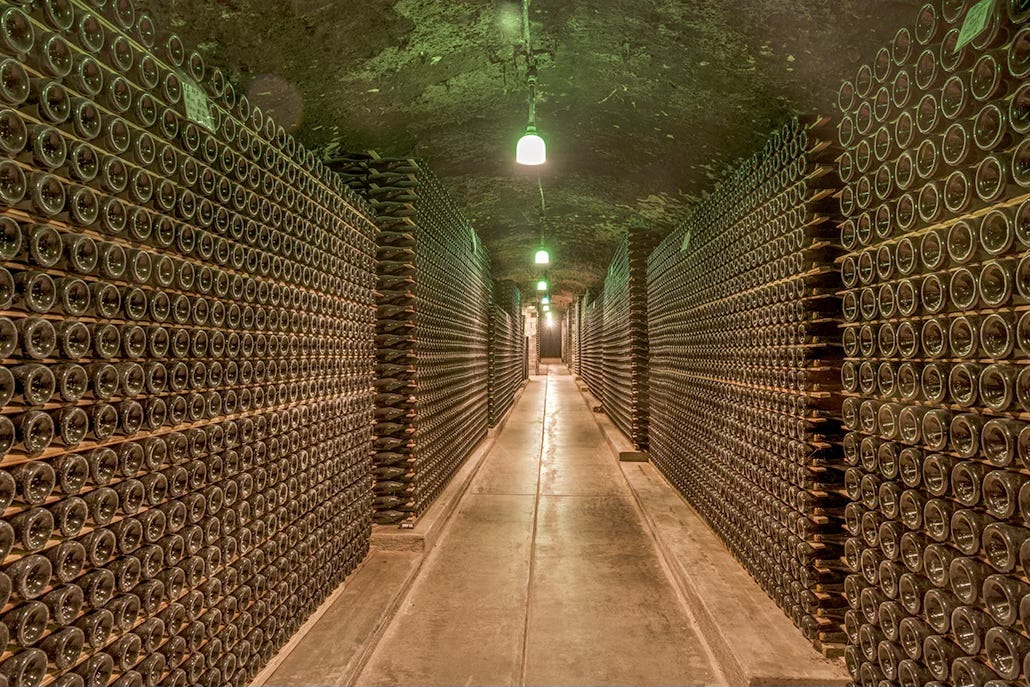
Winemakers: To oak or not to oak, that is the question. Whether ’tis nobler in the mind to suffer the slings and arrows of outrageous fortune, or to take up oak to craft your wine to shake the spheres of ordinary.

Oak and wine were made for each other. The wood and how it is treated introduces flavors compounds and textures. Oak barrels allow slow oxygenation, which engenders complexity and depth. Malolactic fermentation in oak converts tart malic acid into softer lactic acid, creating a creamier, buttery texture. The winemaker must decide if oak is in the wine’s future. For some whites, the answer is no. For reds, usually yes.

Next decision—which oak to use. There are some 600 species of oak trees. They are divided into two main groups: red oaks and white oaks. In North America alone there are about 90 native species.

American white oak (Quercus alba) has wide grain and high levels of lactones, delivering flavors of vanilla, coconut, marshmallow, volume, creaminess, and sweetness. It usually receives a medium toast (flame treatment inside the barrel). It often is used for bold wines—cabernet sauvignon and petite sirah—because its robust flavors and higher oxygen ingress complement such wines.

European white oak (Quercus petraea) has finer grains. It has a more subtle influence on wine than American oak and imparts elegant flavors of vanilla and spice, and thus is preferred for lighter wines—pinot noir and chardonnay. The tight grains also mean a more measured integration of flavors, often preferred for premium wines. At medium toast, French oak imparts notes of coffee, chocolate, leather, and mushrooms. Wine must spend more time in French oak than American oak to attain these flavors.

Eastern European oak, particularly from Slovakia, Hungry, and Romania, are similar to French oak. They can be more subtle than French oak and provide more delicate flavors.

Bourbon barrels are another category, pioneered in the 20th century by Chilean mega-maker Concho y Toro with its American label, 1000 Stories. It involves using American oak, blackened and heavily charred to make bourbon and whiskey in first use. In second use with wine, the barrels deliver caramel, burnt sugar, dried herbs, coffee, and vanilla. Wine finished in bourbon barrels are only part of a blend—around five percent—but add smoothness and another layer of flavors with hint of its bourbon back story. They also are a booming category in wine because they are smooth and delicious. Wood you not be interested in trying this category?

Last round

I only know 25 letters in the alphabet. I don’t know Y. Wine time.

Email: wine@cwadv.com

Newsletter: gusclemens.substack.com

Website:  Gus Clemens on Wine website

Facebook:  facebook.com/GusClemensOnWine/posts/

Twitter (X): @gusclemens

Long form wine stories on Vocal: Gus Clemens on Vocal

Links worth exploring

Diary of a Serial Hostess Ins and outs of entertaining; witty anecdotes of life in the stylish lane.

As We Eat Multi-platform storytelling explores how food connects, defines, inspires.

Balanced Diet Original recipes, curated links about food systems, recipe reviews.


This is a public episode. If you'd like to discuss this with other subscribers or get access to bonus episodes, visit gusclemens.substack.com/subscribe
There’s a lot of noise in the world of wine, but Gus Clemens on Wine cuts through it with clarity and a good dose of humor. Drawing from his widely syndicated newspaper column and his daily online posts, Gus Clemens brings his accessible expertise directly to your ears. This isn’t a stuffy lecture series. Instead, each episode feels like a relaxed conversation with a knowledgeable friend who genuinely wants you to enjoy the journey as much as the glass in your hand. You’ll hear straightforward reviews, fascinating stories from wine history, and practical insights that make the entire subject feel approachable and fun. The podcast naturally extends Gus’s written work into a warm, audio format perfect for listening during a commute, while cooking, or simply relaxing. Whether you’re just starting to explore beyond the supermarket aisle or you’re a seasoned enthusiast looking for a fresh perspective, this series demystifies topics from grape varieties and regions to pairing ideas and the latest trends. It’s about the culture, the people, and the stories behind the bottle, all delivered with a consistent, engaging voice that turns every episode into a pleasant discovery. Tune in for a genuinely user-friendly guide to the wide, wonderful world of wine.
Author: Language: English Episodes: 100

Gus Clemens on Wine explores and explains the world of wine in simple, humorous, fun posts
Podcast Episodes
Wine bottle sizes 2-19-2025 [not-audio_url] [/not-audio_url]

Duration: 4:05
This is the weekly columnIt is a new year and there are sweeping changes in wine bottle sizes in America. Yep, wine makers and glass blowers have a whole new tool kit to entice you into experiencing whatever elixir they…
Wine for Valentine 2-12-2025 [not-audio_url] [/not-audio_url]

Duration: 4:33
This is the weekly columnValentine’s Day cometh, time for expressing love and affection, although one can argue that should be on your to-do list every day.The celebration has roots as far back as ancient Rome. It was th…
Gripes and opinions 2-5-2025 [not-audio_url] [/not-audio_url]

Duration: 4:46
This is the weekly columnWine columnists are expected to have opinions, and I have many. Here are four to rile up readers.• Stemless wine glasses. They do hold wine and they are harder to break and easier to clean than t…
Blending terms 1-29-2025 [not-audio_url] [/not-audio_url]

Duration: 5:20
This is the weekly columnWine labels and wine reviews may include various references to wine blending. Some are specific and informative. Others are distinctions without a difference. Let’s explore the most common blendi…
Types of blends 1-22-2025 [not-audio_url] [/not-audio_url]

Duration: 4:24
This is the weekly columnBlending is essential to making some of the world’s most iconic wines. We explored the several ways to blend last week. This week, specific wines created by blending.• Champagne can be a blend of…
Varietals and blends 1-15-2025 [not-audio_url] [/not-audio_url]

Duration: 4:09
This is the weekly columnIn general, wines can be divided into varietals and blends. This being wine, it is not so black-and-white simple. Let’s explore.A varietal wine has a single variety of grape on the label. That me…
Wine scores 1-8-2025 [not-audio_url] [/not-audio_url]

Duration: 4:09
This is the weekly columWine scores. Oh, my. On one level, ridiculous. On another level, essential to wine’s success over the past half century. Some observations.Anyone who ever took a test or got a report card in grade…
Winter wine survival 1-1-2025 [not-audio_url] [/not-audio_url]

Duration: 4:39
This is the weekly columnHappy New Year. We survived another sun circumnavigation. Sunlight grows slowly longer. Spring rebirth looms over the sere, cold-swept horizon. Endure these last temperature-challenging months, a…
Christmas 12-25-2024 [not-audio_url] [/not-audio_url]

Duration: 4:28
This is the weekly columThis column runs on Wednesdays in most markets—Christmas Day in 2024. If you have not secured your wine before now, no chance today. We can, however, look forward to New Year’s Eve and New Year’s…
Holiday wine pairing insight 12-18-2024 [not-audio_url] [/not-audio_url]

Duration: 4:18
This is the weekly columWith Christmas/holiday feasts coming soon, what is the ideal alcohol percentage for wine paired with food? The answer is 10-14%. Why?U.S. labeling laws are loony, so the ABV amount on the label ca…