Eric Hedin on Suffering in a Designed World

Eric Hedin on Suffering in a Designed World

Author: Discovery Institute December 6, 2025 Duration: 27:35
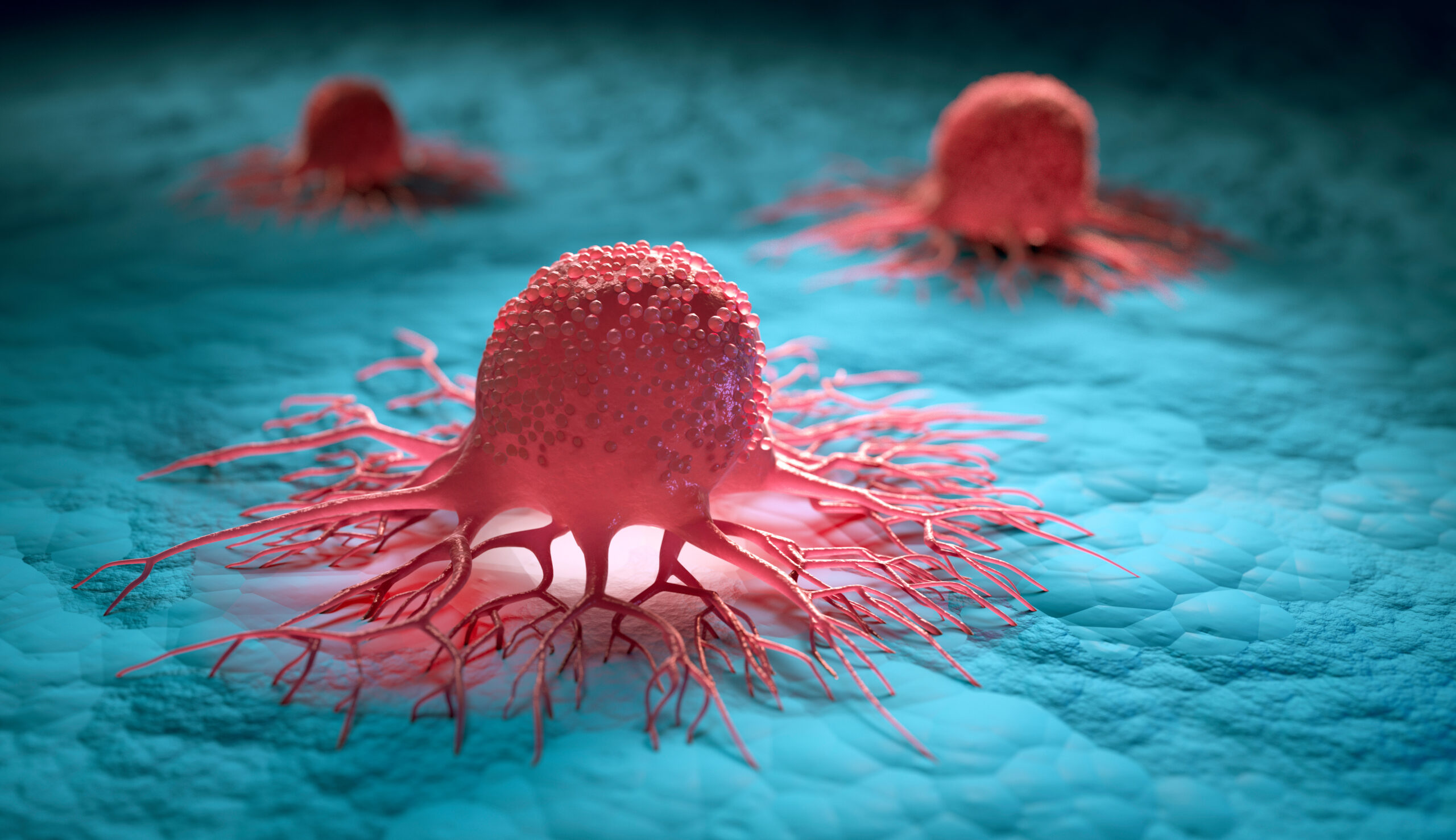
Is natural evil an argument against intelligent design? And is human evil more consistent with naturalism or theism? On this classic ID The Future episode, host Andrew McDiarmid speaks with Dr. Eric Hedin about his article "Thoughts of Evil in a Designed World." First, Dr. Hedin discusses the problem of natural evils like earthquakes, hurricanes, droughts, and other natural disasters. He reports that in the last century, the human death toll from such tragedies has dropped as we have learned to mitigate the effects of these natural forces in our lives. Hedin also discusses the impact of sickness on our bodies. "Any complex system can break down," Hedin reminds us, "because we do live in a world where the second law of thermodynamics applies not just to stars and mountainsides and physical systems but also to our own bodies." But suffering, tragic as it can be for all of us to endure, is not inconsistent with design. Then there's the other major cause of suffering in life: human evil. If humans are products of an evolutionary process, we'd expect human evil to more or less match what we see in the animal world. But as recent attacks on the people of Israel starkly demonstrate, that is not the case. We are capable of much worse, as well as much better. Dr. Hedin explains that humans have the gift of rational override, something determinists tend to forget. This is Part 1 of a two-part conversation.

Source


Dive into the ongoing conversation at the intersection of science, philosophy, and culture with Intelligent Design the Future. Produced by the Discovery Institute, this podcast offers a focused exploration of the arguments and discussions surrounding intelligent design and evolutionary theory. Rather than lengthy lectures, it presents concise, digestible episodes that fit into your day, featuring direct conversations with researchers and thinkers actively engaged in this scientific field. You'll hear from scientists, scholars, and institute fellows who break down new developments, analyze recent publications, and address the broader implications of these ideas for education and society. The discussions are grounded in the perspective that nature presents evidence of design, tackling complex topics in astronomy, biology, and the philosophy of science with a specific point of view. Each episode aims to provide clarity on current debates, making the content accessible whether you're deeply familiar with the subject or just beginning to explore these fundamental questions. This is a place for substantive dialogue on one of the most enduring topics in modern thought, all packaged in a brief, engaging format that prioritizes depth over duration. Tune in to hear the voices shaping this particular strand of scientific discourse.
Author: Language: en-us Episodes: 100

Intelligent Design the Future
Podcast Episodes
Evaluating Evolutionary Claims By Thinking Like a Scientist [not-audio_url] [/not-audio_url]

Duration: 40:25
To critically evaluate scientific claims, we must think like a scientist. But what are the qualities of a good scientist? On this ID The Future, host Andrew McDiarmid welcomes molecular biologist and research scientist D…
Brian Miller on the Return of Natural Theology [not-audio_url] [/not-audio_url]

Duration: 50:40
Influenced by a long line of materialist thinkers, Charles Darwin proposed the mechanism of natural selection as a substitute for God. But how does his theory’s explanatory power measure up to recent scientific discoveri…
How to Respond to Common Criticisms of Intelligent Design [not-audio_url] [/not-audio_url]

Duration: 29:53
God of the gaps. Lucy as human ancestor. Co-option to explain away irreducible complexity. Perhaps you've heard some of the most common objections to intelligent design, but do you know how to adequately respond to them?…
Casey Luskin on the Core Concepts of Intelligent Design [not-audio_url] [/not-audio_url]

Duration: 43:30
Sometimes, it’s good to go back to the basics. Whether you’re brand new to intelligent design or you’re looking for a way to share the basics with a friend or family member, we’ve got you covered today. On this ID The Fu…
From Fantastic Four to First Causes: Why Science Has Eclipsed Darwin [not-audio_url] [/not-audio_url]

Duration: 28:18
If you noticed a copy of Charles Darwin’s famous nineteenth-century volume On The Origin of Species in someone's house, what would you think? Perhaps they’re committed materialists. Perhaps they simply admire Darwin’s wo…
In a Universe of Non-Living Matter, Communication Sets Us Apart [not-audio_url] [/not-audio_url]

Duration: 29:53
Meaningful communication is found across all life forms, from the signals sent by trees through fungal networks to the deep conversations we can have with each other. It's one feature that makes life uniquely different f…
Physicist Eric Hedin: Information Processing as a Hallmark of Life [not-audio_url] [/not-audio_url]

Duration: 22:45
What if life isn’t just a collection of molecules bumping around? What if every living thing, from a single cell to a human being, is doing something much more surprising—processing information and communicating in compl…