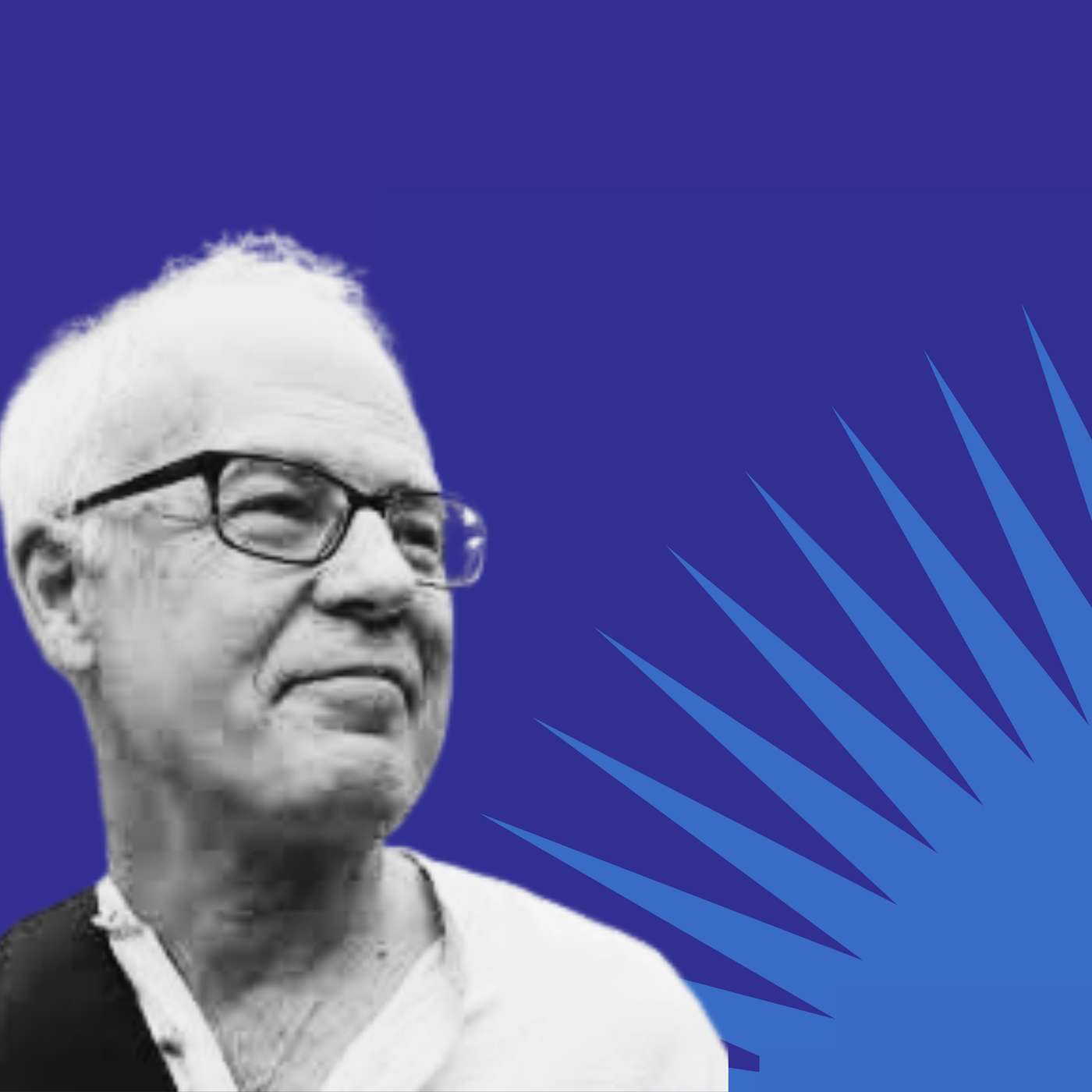
Churchill described Communist Russia as a riddle wrapped in a mystery inside an enigma. For Pulitzer Prize winning Princeton historian, Paul Starr, America might be the new Soviet Union. It’s a such contradiction, in fact, that he entitles his new book American Contradiction, in an attempt to describe the dominant narrative of “revolution and revenge” from the 1950s to today’s America. But unlike Churchill, who unwrapped the Russian enigma through national interest, Starr finds only more contradictory contradictions about America. The civil rights revolution triggered the Goldwater/Reagan/MAGA revenge. Obama’s hope intensified the reactionary backlash. Economic progress created deeper cultural despair. Each new development triggers an old question, each fresh solution an even staler problem. After 250 years tracing America’s conflicts from slavery through Trump, the distinguished historian admits he has no idea how it ends (or even begins). Perhaps that’s the biggest contradiction of all: a brilliant, yet paralysing diagnosis that offers no cure, an explanation of everything, everywhere all at once that leads us back to the original contradiction. Futile snakes and ladders. A never ending game of one step forward and one step back.
1. The Diagnosis Without a Cure Starr traces America’s current divisions back to the founding contradiction between freedom and slavery, through civil rights, to today’s Trump era. But after 500 pages and decades of study, he admits he has no solutions - not even a “solutions chapter.” His analysis is comprehensive yet paralyzingly circular.
2. Nixon: The Forgotten Liberal? The most surprising historical insight: Richard Nixon implemented affirmative action, desegregated Southern schools, and pushed for guaranteed income and universal healthcare. Starr argues Nixon was temperamentally like Trump but substantively “the last liberal president” - a paradox that complicates standard political narratives.
3. “Wokeism is to Trumpism as a Flea is to an Elephant” When pressed on whether progressive cultural politics contributed to the backlash, Starr dismisses “cancel culture” concerns as trivial compared to Trump using state power against media outlets. He signed the Harper’s Letter but won’t seriously examine the left’s role in alienating working-class voters.
4. The “Sleepwalking” Theory Starr’s one semi-original contribution: 1990s Democrats didn’t understand they were creating conditions for their own defeat. The 1965 immigration reformers had “no idea” of long-term implications. Free trade’s concentrated devastation of Midwest communities was unforeseen. But he stops short of saying these were mistakes.
5. Obama Made Everything Worse Perhaps the most deflating revelation: Starr thought Obama’s election would end America’s racial contradiction. Instead, it “intensified racial feeling” and triggered the revenge cycle. He’s now “sobered” by this mistake and doesn’t expect to see resolution in his lifetime - essentially admitting his life’s work has led nowhere.
Keen On America is a reader-supported publication. To receive new posts and support my work, consider becoming a free or paid subscriber.
This is a public episode. If you'd like to discuss this with other subscribers or get access to bonus episodes, visit
keenon.substack.com/subscribe