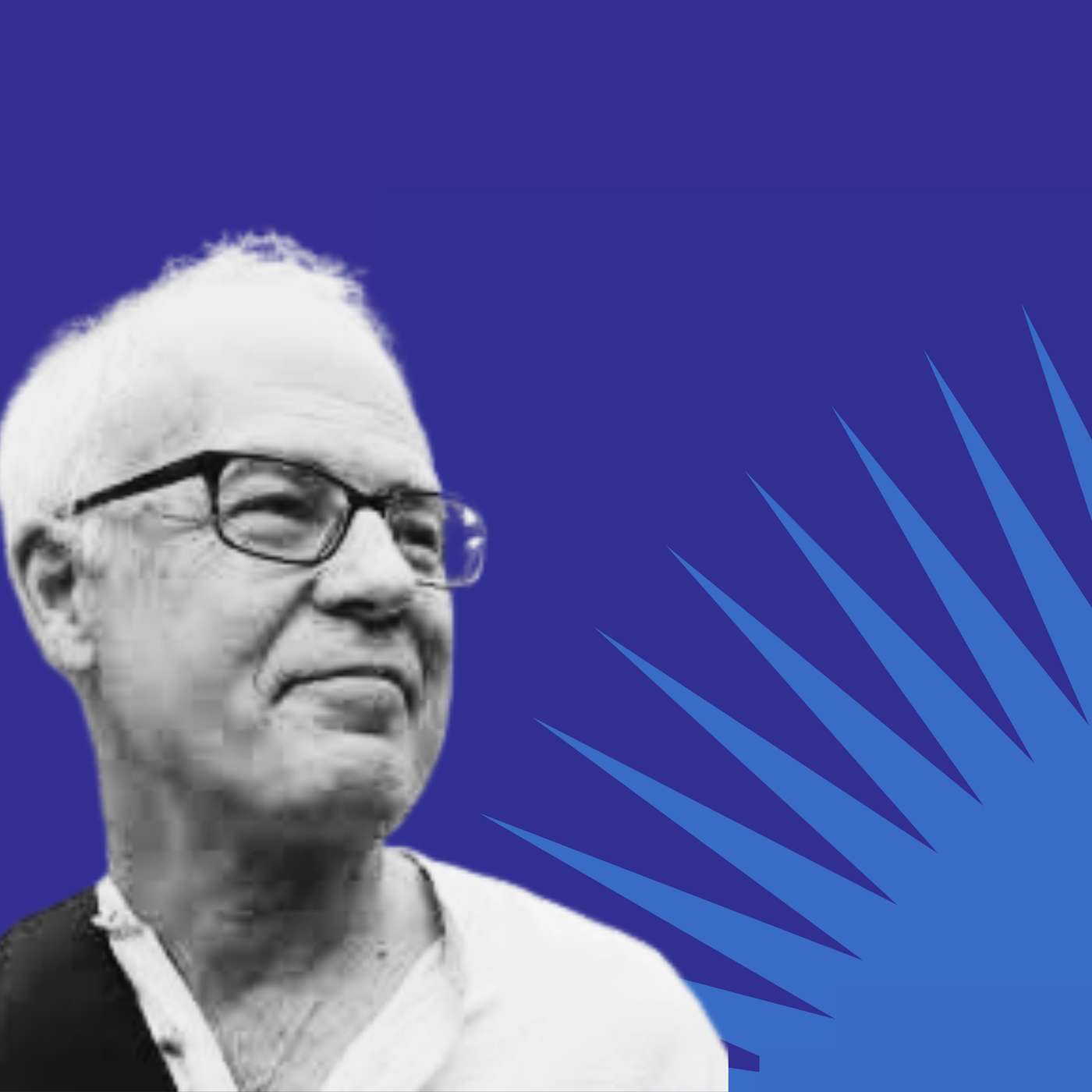
Should we be defending American democracy if it never really existed? That’s the controversial thesis at the heart of Osita Nwanevu’s new book, The Right of the People. What America needs, the Baltimore-based Nigerian-born Nwanevu argues, is a radical reinvention of its political system. Nwanevu dismantles liberal pieties about traditional American institutions, arguing that the founders deliberately created an anti-democratic republic designed to prevent majority rule. While conservatives celebrate this fact, progressives remain trapped defending a dysfunctional system that structurally disadvantages them. From the anti-majoritarian Electoral College to the archaic Senate's rural bias, America's "democratic" institutions consistently thwart popular will. To realize real 21st century democracy, he argues, requires extending direct democratic power into both the workplace and the economy. When Amazon workers can vote on American foreign policy but have zero say in their company's decisions, something is fundamentally broken. His radical solution? A new American founding that finally delivers on democracy's promise and guarantees real rights to the real American people.
1. America Was Designed to Be Anti-Democratic The founders intentionally created a constitutional republic to prevent majority rule, not enable it. Unlike progressives who argue the founders secretly wanted democracy, Nwanevu agrees with conservatives that the system was designed to thwart popular will—he just thinks that's a problem to fix, not celebrate.
2. Democrats Are Defending a System That Hates Them While Republicans benefit from anti-majoritarian institutions like the Electoral College and Senate, Democrats inexplicably defend these same structures that make it nearly impossible for them to govern effectively. It's political masochism disguised as constitutional reverence.
3. Democracy Must Extend Beyond Politics Into Economics True democracy means workers having a say in workplace decisions, not just voting for politicians. When Amazon employees can vote on foreign policy but have zero input on company decisions that directly affect their lives, the system is fundamentally broken.
4. The Left Needs Bolder Vision, Not Institutional Defense Trump wins because he promises to disrupt a system people distrust, while Democrats offer tepid defenses of broken institutions. The left must offer transformative change, not restoration of "norms" that never served ordinary people.
5. Extreme Wealth Inequality Kills Democracy When the world's richest man can donate $260 million and essentially buy a government position to fire thousands of federal workers, democracy becomes impossible. No political system can survive trillionaires—it's nothing more than an oligarchy with a voting theater.
Keen On America is a reader-supported publication. To receive new posts and support my work, consider becoming a free or paid subscriber.
This is a public episode. If you'd like to discuss this with other subscribers or get access to bonus episodes, visit
keenon.substack.com/subscribe