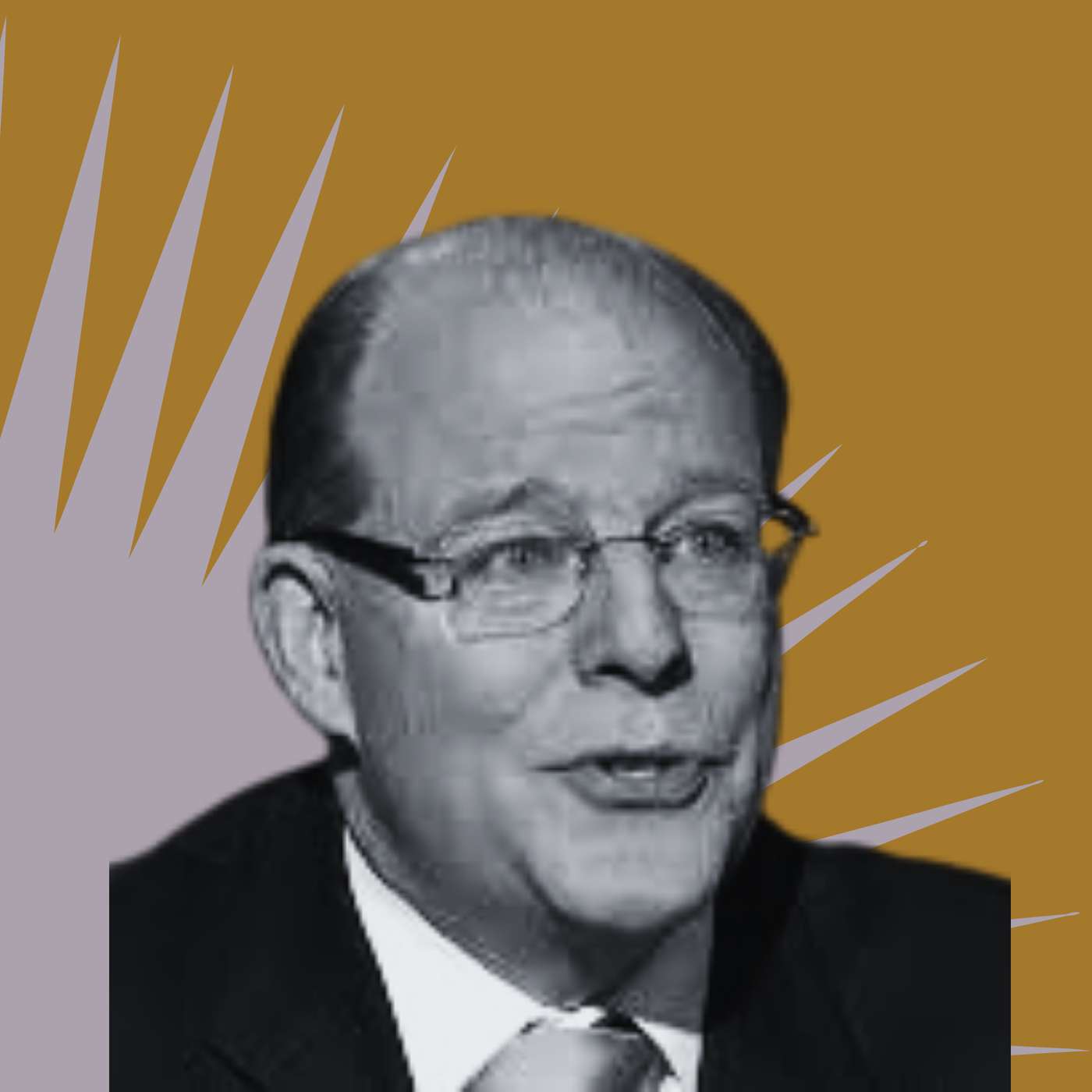
“We keep telling you there’s an eviction crisis, so organize with us. Feel free to come into our meetings. Feel free to learn about the lives of people who have been here for a long time.” — Manissa Maharawal
Yesterday we spoke with anthropologist Ida Susser about France’s Yellow Vests—provincial truck drivers, nurses, and teachers who drove hours to Paris, furious about decades of disinvestment in their economy. So does America have its own Yellow Vests? You might find them in (of all places) the San Francisco Bay Area, the setting of a new book by a former student of Susser’s about what happens when the same disruptive economic forces hit an American city.
Anthropologist Manissa Maharawal’s new book, Anti-Eviction: The Fight Against Tech-Led Gentrification in San Francisco, chronicles the grassroots movement that rose up against big tech during the boom of the 2010s. Like the French Yellow Vests, these were ordinary people from the San Francisco Bay Area—teachers, bartenders, nurses, copy editors—who refused to accept their displacement as inevitable. Like the Yellow Vests, they grew out of no political party or even ideology. The anti-eviction movement emerged from Occupy, just as the gilets jaunes emerged from the roundabouts outside Paris.
Anti-tech activists in San Francisco’s Mission District watched Google buses roll through their neighborhoods and decided to blockade them. But where the Yellow Vests defied the left-right spectrum, Maharawal’s activists have a clear target: the neoliberal market logic that justifies gentrification as the result of “inevitable” market forces. She is sharply critical of the abundance argument advanced by Ezra Klein and Derek Thompson, arguing this supposedly free market has given the Bay Area a glut of luxury housing and almost no affordable units. The real crisis, she says, isn’t too few homes—it’s too little regulation on the homes we already have.
Fifteen million sit vacant in the United States, Maharawal reminds us. Private equity firms are buying up a quarter of the housing on the market. Even Trump has woken up to this. In a moment of political pessimism on both sides of the Atlantic, both Susser and Maharawal offer evidence that ordinary people can both organize and, at least, shape the political conversation.
Five Takeaways
• Tech Gentrification Is Modern Colonization: Activists in San Francisco’s Mission District compared Google buses to conquistador transportation—rolling through their neighborhoods, stopping at their bus stops, letting in only young white tech workers while longtime residents stood by with their children. San Francisco had become a company town for the tech industry, with the city rolling out a red carpet—including massive tax breaks—while people in surrounding neighborhoods were evicted.
• The Market Will Never Solve This—And That’s the Point: It’s never going to be profitable enough to build the deeply affordable low-income housing we actually need. That’s why all the housing built in the past fifteen years has been luxury housing. New York City has entire half-empty skyscrapers. San Francisco consistently meets its targets for luxury construction but fails on low-income housing. Market-based solutions alone are insufficient.
• Rent Control Stabilizes Lives, Not Just Rents: Maharawal grew up in a rent-stabilized apartment in New York City—it’s the reason her family could stay. Rent stabilization gives people a chance to imagine a future somewhere. The real foil isn’t small landlords; it’s private equity firms making billions off rental housing. A statewide rent cap proposal in California didn’t even make it out of committee in a Democrat-led state.
• The Housing Crisis Is About Regulation, Not Just Supply: Fifteen million homes sit vacant in the United States. Maharawal argues the crisis isn’t simply a lack of housing—it’s a lack of regulation on the housing we already have. The Abundance argument for deregulation misdiagnoses the problem. When you reframe it, solutions like rent control, community land trusts, and social housing become obvious.
• Anti-Eviction Activism Offers a Model for This Moment: The movement grew out of Occupy, as activists found themselves moving evicted friends out of the city every weekend. A small group of dedicated people built community, combated the deep alienation that eviction creates, and fought to keep each other in their homes. Some of them are still there. In a time of political hopelessness, these are concrete examples of things that worked.
About the Guest
Manissa Maharawal is an assistant professor of anthropology at American University in Washington, D.C., and the author of Anti-Eviction: The Fight Against Tech-Led Gentrification in San Francisco. She is a co-founder of the Anti-Eviction Mapping Project and has previously written about the Occupy movement and housing justice in the San Francisco Bay Area.
References
Previous Keen On episodes mentioned:
• Ida Susser on the Yellow Vests and the battle for democracy in France
• Patrick Markee on homelessness in the New Gilded Age
• Ezra Klein and Derek Thompson on Abundance and the housing crisis
About Keen On America
Nobody asks more awkward questions than the Anglo-American writer and filmmaker Andrew Keen. In Keen On America, Andrew brings his pointed Transatlantic wit to making sense of the United States—hosting daily interviews about the history and future of this now venerable Republic. With nearly 2,800 episodes since the show launched on TechCrunch in 2010, Keen On America is the most prolific intellectual interview show in the history of podcasting.
Website
Substack
YouTube
Apple Podcasts
Spotify
Chapters:
- (00:00) - Introduction: The housing crisis in the Bay Area
- (01:46) - Anti-Eviction and the colonization metaphor
- (04:16) - "It's just the market" — is that a credible argument?
- (06:12) - Things could be different: contesting gentrification
- (07:34) - Has San Francisco’s government helped or hurt?
- (10:07) - Rent control: the policy nobody will pass
- (12:20) - The Abundance debate and the split on the left
- (15:08) - Misdiagnosing the housing crisis: regulation, not just supply
- (16:47) - Governo...