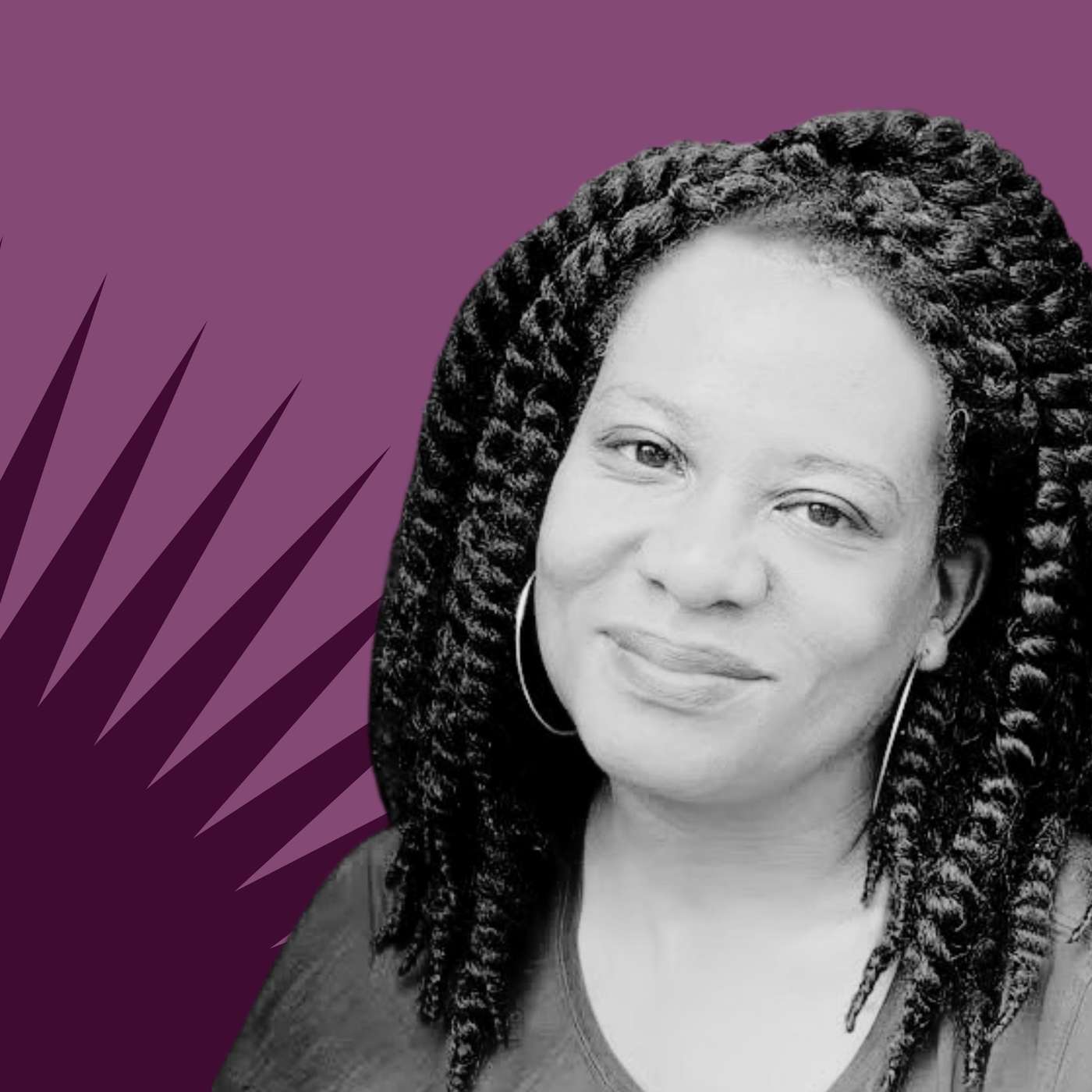
“Historically, when the college-educated become politically radicalised, that does tend to lead to real shifts.” — Noam Scheiber
A university degree has always been seen as a passport out of the working class. But according to the New York Times’ Noam Scheiber, the reverse is now true. In his new book, Mutiny, Scheiber argues that the good white-collar jobs college once promised have been quietly disappearing over the last fifteen years. The result, he argues, is the rise and revolt of what he calls a “college-educated” working class.
Scheiber chose mutiny because it’s a term to describe workers who have lost confidence in management. College graduates who once imagined themselves as management-adjacent now regard the people in charge with deep suspicion. The university itself has become extractive — charging the same tuition for an art history degree as for an engineering degree, marketing video game design programmes to thousands of students who will never make a living from them, lending federal money with no skin in the game.
Scheiber warns that the ideological diploma divide has already closed. By 2020, college graduates were slightly to the left of non-college voters on taxation, regulation, and unions. Sympathy for socialism among college grads doubled between 2010 and 2020. Mamdani won eighty-five per cent of college graduates under thirty in New York City. When the educated radicalise and join forces with the traditional working class, Scheiber notes, the political order changes. This was as true in nineteenth-century China as in Russia in 1917, Iran 1979 and Poland in 1980.
College grads have nothing to lose but their diplomas.
Five Takeaways
• Mutiny, Not Revolution: Scheiber chose the word deliberately. Mutiny is a workplace term. Sailors who have lost confidence in the captain take matters into their own hands. It taps into the changing sociology of college graduates who once imagined themselves as management-adjacent and now regard the people in charge with deep suspicion. This isn’t a violent uprising. It’s a workplace rebellion.
• The Video Game Design Degree Is the Perfect Scam: Tens of thousands of students each year enrol in college programmes that promise to turn their hobby into a career at a major studio. Only a tiny fraction ever make a living designing games. The marketing isn’t a lie — just a rosier picture than the reality. Universities charge the same tuition for an art history degree as for an engineering degree, even though we know the returns are vastly different. No other part of the economy works this way.
• On Economics, the Diploma Divide Has Already Closed: Through the 1980s and 1990s, college graduates were significantly more conservative on economics. By 2012, college and non-college voters were in the exact same place. By 2020, college graduates were slightly to the left. Sympathy for socialism among college grads doubled from twenty to forty per cent between 2010 and 2020. The divide that remains is cultural. The economic majority is sitting out there waiting for a candidate who knows how to address it.
• The 70/10 Gap: About seventy per cent of Americans support unions in principle. Only ten per cent are actually in one. American labour law gives employers enormous leeway to discourage organising. The gap means traditional unions cannot close the demand. Alternative forms of organising — the Alphabet Workers Union at Google, Amazon employees for climate justice, walkouts and petitions — are becoming the new shape of workplace power.
• When the College-Educated Radicalise, Politics Disrupts: Nineteenth-century China. The Bolshevik Revolution. Iran 1979. Poland’s Solidarity movement. Spain and Greece after the Great Recession. History shows that when a frustrated educated class joins forces with the traditional working class, the political order changes. The college-educated have agency. They vote, organise, donate, and show up. When they get angry, the political class notices.
About the Guest
Noam Scheiber is a labour and workplace reporter for The New York Times. A former Rhodes Scholar, he is the author of The Escape Artists: How Obama’s Team Fumbled the Recovery and Mutiny: The Rise and Revolt of the College-Educated Working Class.
References:
• Mutiny: The Rise and Revolt of the College-Educated Working Class by Noam Scheiber — the book under discussion.
• Episode 2861: The Joe Biden Tragedy — Julian Zelizer on the last New Deal president. The political vacuum Scheiber describes.
• Episode 2859: Stop, Don’t Do That — Peter Edelman on Bobby Kennedy. The progressive populism that could once unite Black and white workers.
About Keen On America
Nobody asks more awkward questions than the Anglo-American writer and filmmaker Andrew Keen. In Keen On America, Andrew brings his pointed Transatlantic wit to making sense of the United States — hosting daily interviews about the history and future of this now venerable Republic. With nearly 2,800 episodes since the show launched on TechCrunch in 2010, Keen On America is the most prolific intellectual interview show in the history of podcasting.
Website
Substack
YouTube
Apple Podcasts
Spotify
Chapters:
- (00:31) - Introduction: new book day, the betrayal of college graduates
- (02:46) - Why mutiny, not revolution: a workplace term
- (05:56) - The Rhodes Scholar who became a Starbucks organiser
- (10:10) - Generation morality without class consciousness
- (15:33) - Can the GOP become the party of workers?
- (18:00) - The convergence of college and non-college voters on immigration and crime
- (20:14) - What does betrayal feel like?
- (21:00) - The video game design degree scam
- (24:37) - The university as extractive system
- (27:15) - Was Biden a New Deal president in a post-New Deal age?
- (31:45) - Mamdani and the economic majority that’s sitting out there
- (32:45) - The 70/10 gap: why traditional unions can’t close it
- (35:02) - Tech workers, alternative organising, and the Alphabet Workers Union
- (38:50) - Has the decline of knowledge work begun?
- (40:00) - Luddites or Bolsheviks: when the college-educated radicalise
- (40:55) - Iran 1979, Poland’s Solidarity, and the disruptive power of educated rage