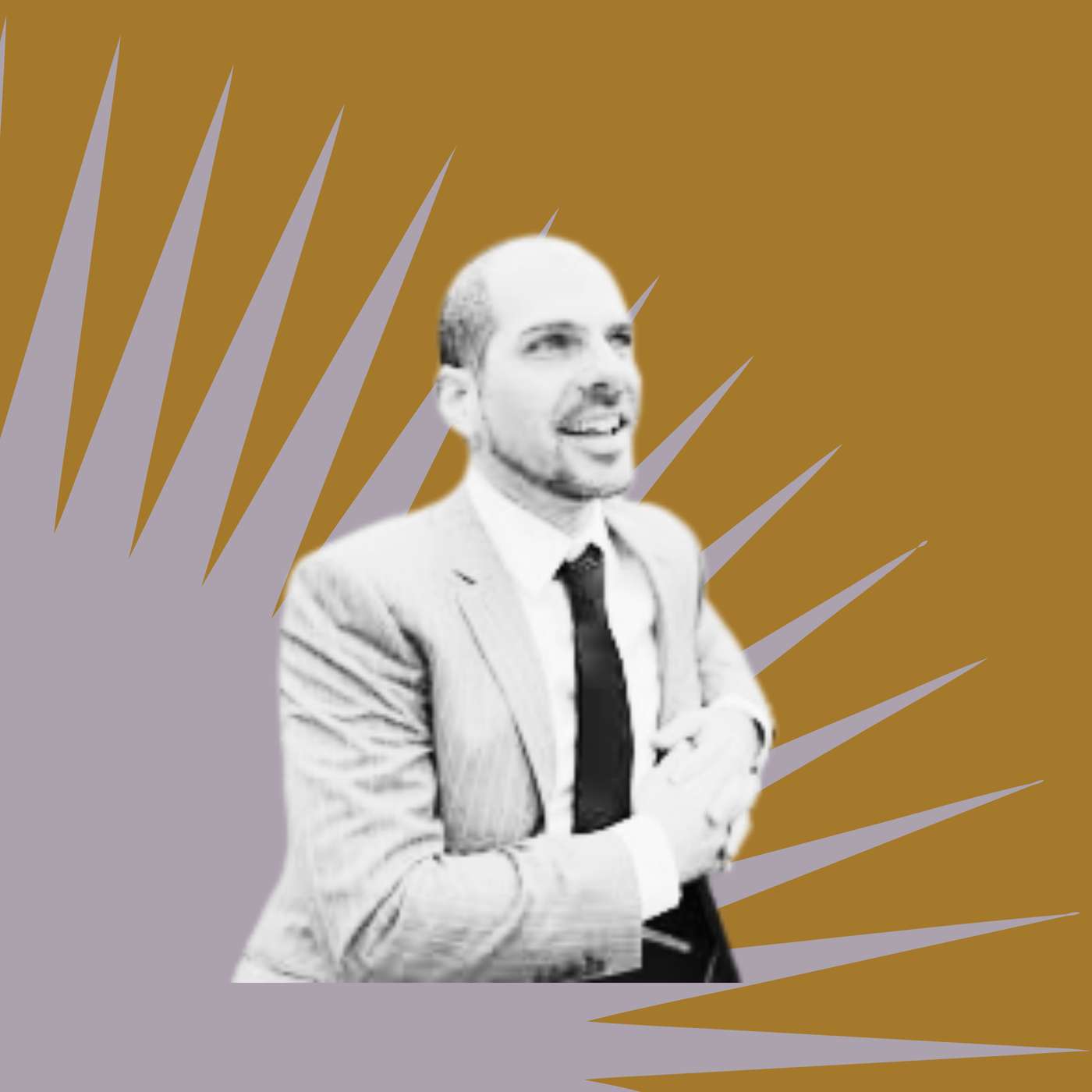
Might the supposedly revolutionary future of AI healthcare actually be a return to the gig economics of Uber and Airbnb? That’s the intriguing proposition put forward by former Kaiser Permanente Chief and Stanford Medical School professor Robert Pearl, a prescient observer of the future of his industry. According to Pearl, we may be returning to the digital future: freelance doctors, he predicts, will train people to use existing AI tools (ChatGPT, Claude, etc.) for managing chronic conditions - essentially "Uberizing" medical AI guidance. The real question, of course, is whether this will cheer up both doctors and patients. Pearl isn’t sure about either. But one thing he is certain about is that MAGA government isn’t the answer to fixing America’s healthcare future. Having been cautiously optimistic about RFK Jr six months ago, he now gives the US Secretary of Health and Human Services an “F” for his first six months in office. Maybe we should Uberize RFK Jr. It certainly couldn’t make things worse.
1. Two Competing AI Healthcare Models
Pearl identifies two paths: expensive, FDA-regulated products from tech companies versus affordable, clinician-led training programs that teach patients to use existing AI tools like ChatGPT for chronic disease management—with the second potentially avoiding regulation entirely.
2. AI Could Prevent 30-50% of Medical Deaths
By better managing chronic diseases like hypertension and diabetes (which account for 70% of doctor visits and costs), AI could save $1.5 trillion and prevent massive numbers of deaths from heart disease, cancer, kidney failure, and strokes.
3. The "Uberization" of Medical Care
With 40% of doctors already doing gig work, Pearl envisions freelance physicians training patients to use AI tools for continuous health monitoring—replacing the current system of infrequent office visits with real-time, at-home care management.
4. Insurance Companies Will Welcome AI, Hospitals Will Resist
Insurers will benefit from lower costs and reduced need for prior authorizations, while hospitals and drug companies will see fewer patients and medication sales—making them the primary opponents of AI healthcare adoption.
5. Medical Education Faces Major Disruption
Elite institutions like Stanford will focus on complex procedures (heart transplants, major cancers), while routine medical knowledge becomes commodified. Mid-level healthcare jobs will disappear, similar to what's happening in computer programming.
Bonus Political Takeaway: Pearl gives RFK Jr. an "F" for his first six months, saying he's capitulated to the agricultural industry instead of tackling the root causes of chronic disease through nutrition policy.
Keen On America is a reader-supported publication. To receive new posts and support my work, consider becoming a free or paid subscriber.
This is a public episode. If you'd like to discuss this with other subscribers or get access to bonus episodes, visit
keenon.substack.com/subscribe