"The black market exists only because we decided that this form of trade should be illegal." — Scott Eden
In October 2019, tech executive Tushar Atre was abducted from his oceanfront home in Santa Cruz and found murdered on his own property in the redwoods — shot execution-style, hands bound. He had spent barely three years in the cannabis business. Scott Eden's new book traces how a charismatic Silicon Valley entrepreneur, seeking to "disrupt" the newly legal weed industry, found himself entangled with an array of colorful and dangerous characters — hippie do-gooders, black-market operators, and stone-cold killers. We discuss the permeable divide between legal and illegal cannabis, why the industry has been an economic disaster for most founders, and whether America's half-pregnant approach to legalization created the conditions for Tushar's death. A California story about ambition, love, and the darker edges of the American dream.
About the Guest
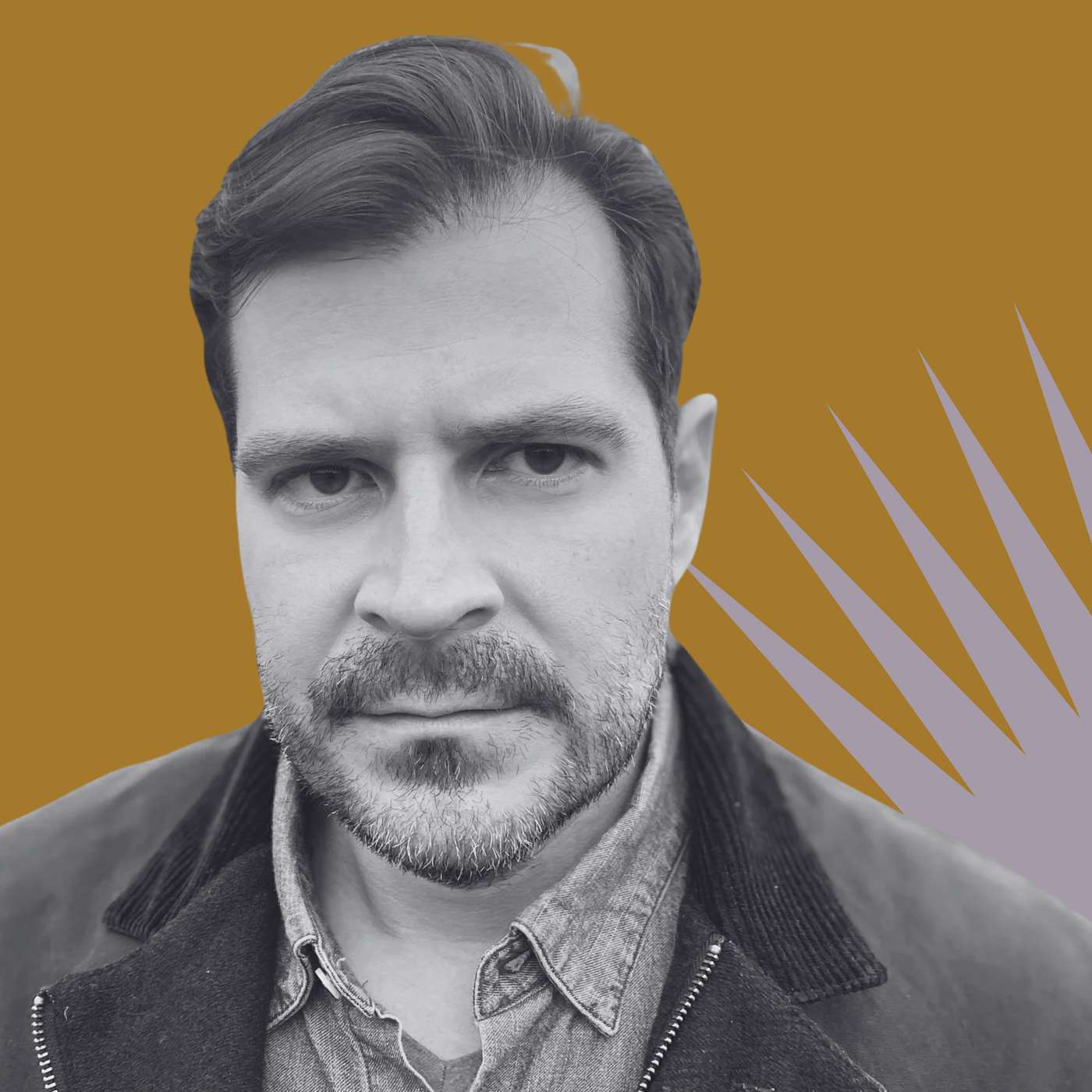
Scott Eden is an award-winning investigative journalist whose work has appeared in ESPN The Magazine, GQ, Wired, Inc., and The Atavist. His story "The Prosecution of Thabo Sefolosha" won a 2017 New York Press Club Award and a National Association of Black Journalists award for investigative reporting. He is the author of Touchdown Jesus (Simon & Schuster, 2005) and the new A Killing in Cannabis.
References:
People discussed:
- Tushar Atre — tech executive and cannabis entrepreneur; murdered October 1, 2019
- Rachael Lynch — cannabis grower from the Emerald Triangle; Atre's business partner and lover
- Ken Kesey — author of One Flew Over the Cuckoo's Nest; Merry Pranksters; La Honda cabin in the Santa Cruz Mountains
- Sean Parker — Napster founder, early Facebook investor; bankrolled Proposition 64
- Travis Kalanick — Uber founder; comparison to Atre's brash, edge-seeking style
- Tony Hsieh — Zappos founder; tragic death; Silicon Valley hipster executive archetype
Places:
Legal and historical:
- Proposition 64 (2016) — California ballot initiative legalizing recreational cannabis
- Proposition 215 (1996) — earlier medical marijuana law; the "215 era"
About Keen On America
Nobody asks more awkward questions than the Anglo-American writer and filmmaker Andrew Keen. In Keen On America, Andrew brings his pointed Transatlantic wit to making sense of the United States—hosting daily interviews about the history and future of this now venerable Republic. With nearly 2,800 episodes since the show launched on TechCrunch in 2010, Keen On America is the most prolific intellectual interview show in the history of podcasting.
Website
Substack
YouTube
Apple Podcasts
Spotify
Chapters:
- (00:13) - America's war on drugs
- (02:03) - The victim: Tushar Atre
- (05:27) - Prop 64 and the gold rush
- (08:15) - The counterculture connection
- (11:13) - The permeable divide
- (14:43) - Tech bros living on the edge
- (17:10) - Steve Jobs, Burning Man, and weed money
- (18:07) - The murder
- (20:06) - Rachael Lynch
- (22:39) - Economic collapse
- (25:31) - Half-pregnant prohibition
- (31:45) - The paranoia problem