What kind of leadership can hold a fractured democracy together?
About the Guest
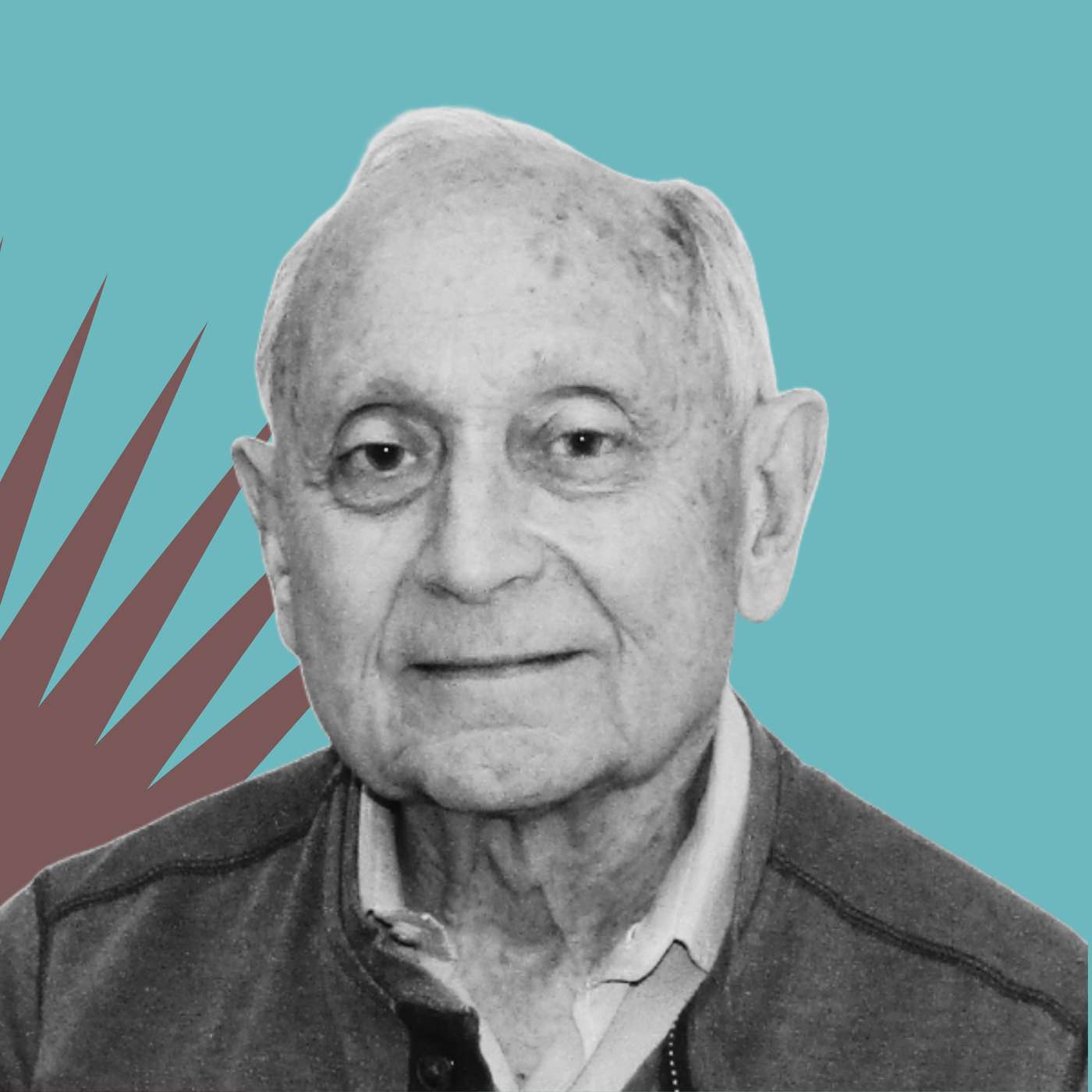
Stephen Schlesinger is an American historian, author, and foreign policy analyst. The son of Arthur Schlesinger Jr.—Pulitzer Prize–winning historian and special assistant to President John F. Kennedy—and grandson of Arthur Schlesinger Sr., he grew up at the centre of one of America's most distinguished intellectual families. Schlesinger is the author of Act of Creation: The Founding of the United Nations, and has written widely on American foreign policy and international institutions. He knew both John and Robert Kennedy personally, and brings a rare insider perspective to the history of American liberalism.
About This Episode
"He went around the table asking us, 'Do you still believe in God?' — this was 1967, he was already being considered for the presidency. Why would a man of this intensity and ambition be talking about these issues?" - Stephen Schlesinger
After two days exploring the surveillance state and the ethics of unmasking—with Andrew Guthrie Ferguson on how your data will be used against you and Christopher Mathias on the fight to expose the radical right—Andrew Keen steps back to ask a larger question: What kind of leadership can hold a fractured democracy together?
Stephen Schlesinger joins the show from the Upper West Side of New York to offer a historian's perspective—and a personal one. From his father's role in Camelot to his own memories of playing touch football with Bobby Kennedy at Hickory Hill, Schlesinger reflects on what made the Kennedy brothers effective leaders in a divided country, and what lessons their example holds for progressives today. The conversation moves from the founding of the republic (one-third pro-British) through the Civil War to the present fracture, and asks whether elections remain democracy's "great solver"—or whether something has fundamentally changed.
Chapters:
00:00 Introduction
On the road in New York, beside Columbia University
01:10 What Has Happened to America?
Schlesinger’s 250-year view of national fracture
03:40 The One-Third Fracture
Why a leader with minority support cannot impose ideology on 330 million
05:15 Elections as the Great Solver
Except for the Civil War, the ballot box has resolved every American crisis
07:30 An Intellectual Aristocracy
Harvard, the Schlesinger legacy, and the view from inside the American elite
10:45 The Romance of Camelot
Meeting JFK, the magnetism of youth, and the television presidency
14:20 Bobby’s Vulnerability
The dinner where RFK asked, “Do you still believe in God?”
17:45 Touch Football at Hickory Hill
Bobby’s toughness and the bullet pass Schlesinger had to catch
20:30 Jackie vs. Hickory Hill
Two styles of Kennedy parenting
22:15 Composed Jack, Emotional Bobby
Arthur Schlesinger Jr.’s perspective on the two brothers
24:40 The Assassinations
The White House, Lyndon Johnson’s motorcade, and the bar exam Schlesinger failed
28:15 Could Bobby Have Won?
Humphrey, the nomination, and what might have been
30:30 The Kennedys and Internationalism
From Joe Kennedy’s isolationism to JFK’s UN vision and RFK during the Cuban Missile Crisis
34:00 Chris Matthews and the Bobby Kennedy Cenentary
Lessons for Today
36:30 The Perpetual Civic Duty
Why each generation must defend constitutional freedoms anew
38:45 Closing
Advice to grandchildren and the enduring fight for democracy
Links & References
Mentioned in this episode:
About Keen On America
Nobody asks more impertinent questions than the Anglo-American writer, filmmaker and Silicon
Valley entrepreneur Andrew Keen. In Keen On America , Andrew brings his sharp Transatlantic
wit to the forces reshaping the United States — hosting daily interviews with leading thinkers
and writers about American history, politics, technology, culture, and business. With nearly
2,800 episodes since the show launched on TechCrunch in 2010, Keen On America is the most
prolific intellectual interview show in the history of podcasting.
Website | Substack | YouTube