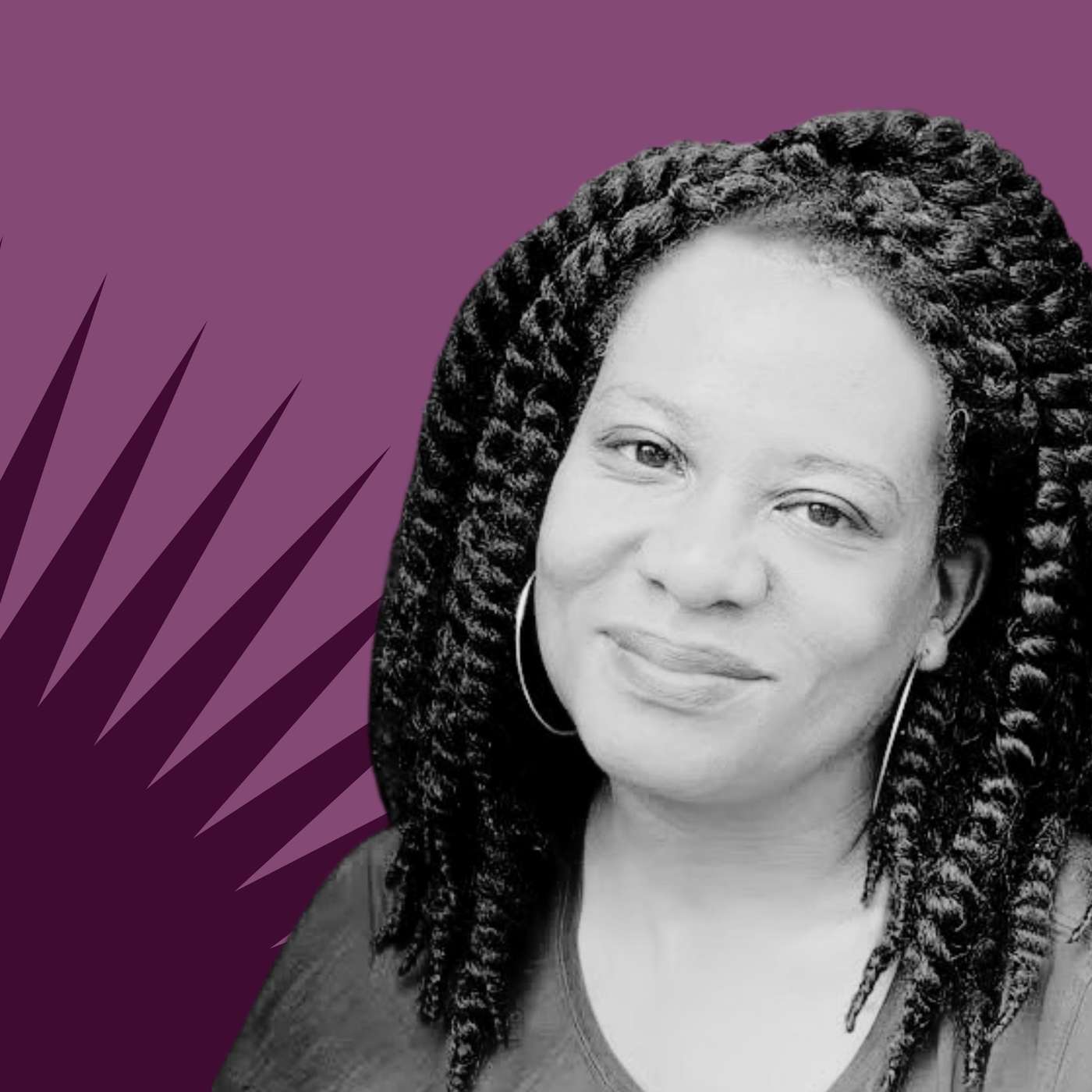
"It may not be Mister Right YouTube, but it is Mister Right Now." — Erika Dilday
On Super Bowl Sunday — with America celebrating its 250th anniversary — Erika Dilday joins to discuss the power of documentary film to cut through algorithmic noise and show us who we really are. As executive producer of POV, the longest-running documentary program on American television (now entering its 39th season), Dilday has spent her career championing first-person storytelling that platforms won't surface. She's also co-directing an upcoming series with Ken Burns, Emancipation to Exodus, exploring the period from the Civil War to the Great Migration. We discuss why algorithms limit discovery, whether AI can replicate human nuance, and what she learned from screening films at San Quentin.
About the Guest
Erika Dilday is the Executive Producer of POV, America's longest-running documentary series, now in its 39th season on PBS. She is co-directing Emancipation to Exodus with Ken Burns, a documentary series about the period from the end of the Civil War to the Great Migration, scheduled for PBS in 2027. Her father was the first Black television station manager in the United States.
Chapters:
00:00:01 Opening
Super Bowl Sunday, America's 250th, and Erika's prediction ("all Patriots all the way")
00:02:28 Emancipation to Exodus
Her collaboration with Ken Burns on the period from Civil War to Great Migration (PBS, 2027)
00:05:09 Her father's legacy
The first Black TV station manager in the United States; "Those who want change don't have the luxury of being comfortable"
00:06:23 Documentary as truth and art
What distinguishes film from news; Hoop Dreams and the power of immersive storytelling
00:08:21 POV's mission
39 seasons, Tongues Untied, and stories that wouldn't be told elsewhere
00:11:27 PBS and the culture wars
Pressures on public broadcasting, the need for alternative distribution
00:15:47 YouTube: Mister Right Now
Not the ideal platform, but the only one for democratic distribution
00:17:38 San Quentin Film Festival
Incarcerated audiences engaging deeply with documentary
00:20:06 Media consolidation
Time Warner, Netflix, Paramount; indie platforms like Mubi and Ovid
00:21:49 Algorithms and discovery
Platforms suggest what they think you want, not what might stretch your thinking
00:24:47 AI vs. human nuance
"It can be imitated, but it's not going to be replicated"
00:27:26 Oscar picks
The Perfect Neighbor (2025) (Netflix) and Cutting Through Rocks (2025) (the sleeper)
References:
- POV
- Hoop Dreams (1994) — documentary about two Chicago high school students dreaming of NBA careers
- Tongues Untied (1989) — Marlon Riggs' documentary on Black gay identity in America (POV Season 4)
- Salesman (1968) — Maysles Brothers documentary following door-to-door Bible salesmen
- The Perfect Neighbor (2025) — Geeta Gandbhir's documentary about a killing in Florida, told through body cam footage (Netflix)
- Cutting Through Rocks (2025) — Sara Khaki and Mohammad Reza Eyni's documentary about a female elected official and motorcycle rider in Iran
- San Quentin Film Festival — the first film festival ever held inside a U.S. prison, celebrating incarcerated and formerly incarcerated filmmakers
- Independent platforms mentioned: Mubi, Ovid, Jolt
About Keen On America
Keen On America is a daily podcast hosted by Andrew Keen, the Anglo-American writer and Silicon Valley insider. Every day, Andrew brings his uniquely transatlantic and eclectic eye to the forces reshaping the United States — interviewing leading thinkers and writers about American politics, technology, culture, and democracy. With nearly 2,800 episodes, Keen On America is the most prolific intellectual interview show in podcasting history.
Website: KeenOn.TV
Substack: keenon.substack.com
YouTube: youtube.com/@KeenOnShow
Apple Podcasts: Keen On America
Spotify: Keen On America