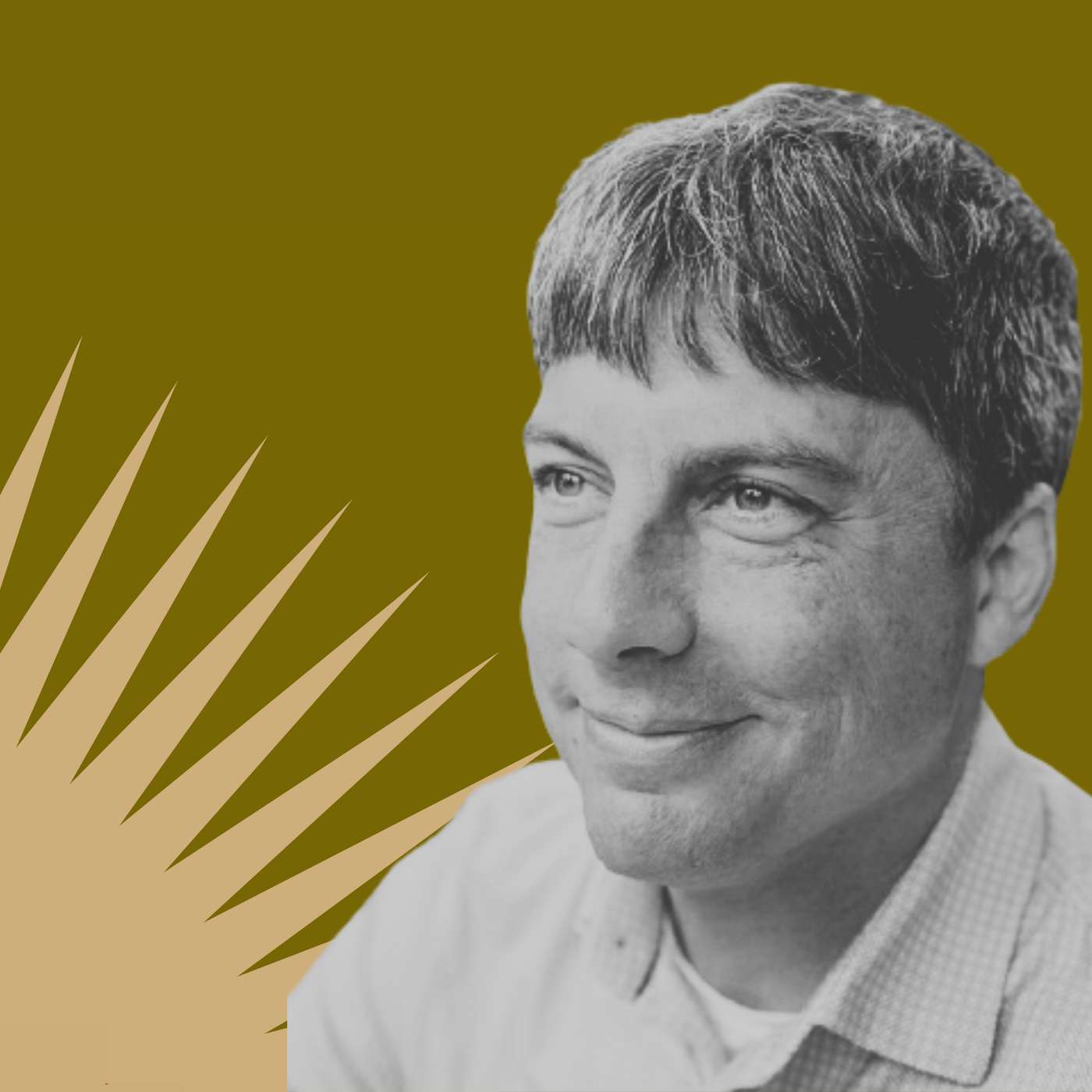
In the 1970’s, J. Doyne Farmer built the first wearable computer which he used to predict the game of roulette. While this didn’t make him particularly popular in casinos, it did mark the beginning of a glittering scientific career in complexity and systems theory, as well as in theoretical physics and biology. And, along the way, Farmer founded a quantitative automated trading firm that was sold to UBS in 2006 as well as working for a while as an Oppenheimer Fellow at Los Alamos Labs. So when a guy as smart as Farmer - who now teaches both at Oxford and at the Santa Fe Institute — turns his big brain to economics, we should take note. In his new book, Making Sense of Chaos, Farmer explains how we can get to a “better economics for a better world” through what he calls complex economics. As a fusion of big data analysis and behavioral economics, Farmer is navigating a third economic way between the scylla of traditional free market economics and the charybdis of de-growth economics. Seriously smart stuff from one the world’s brainiest men.
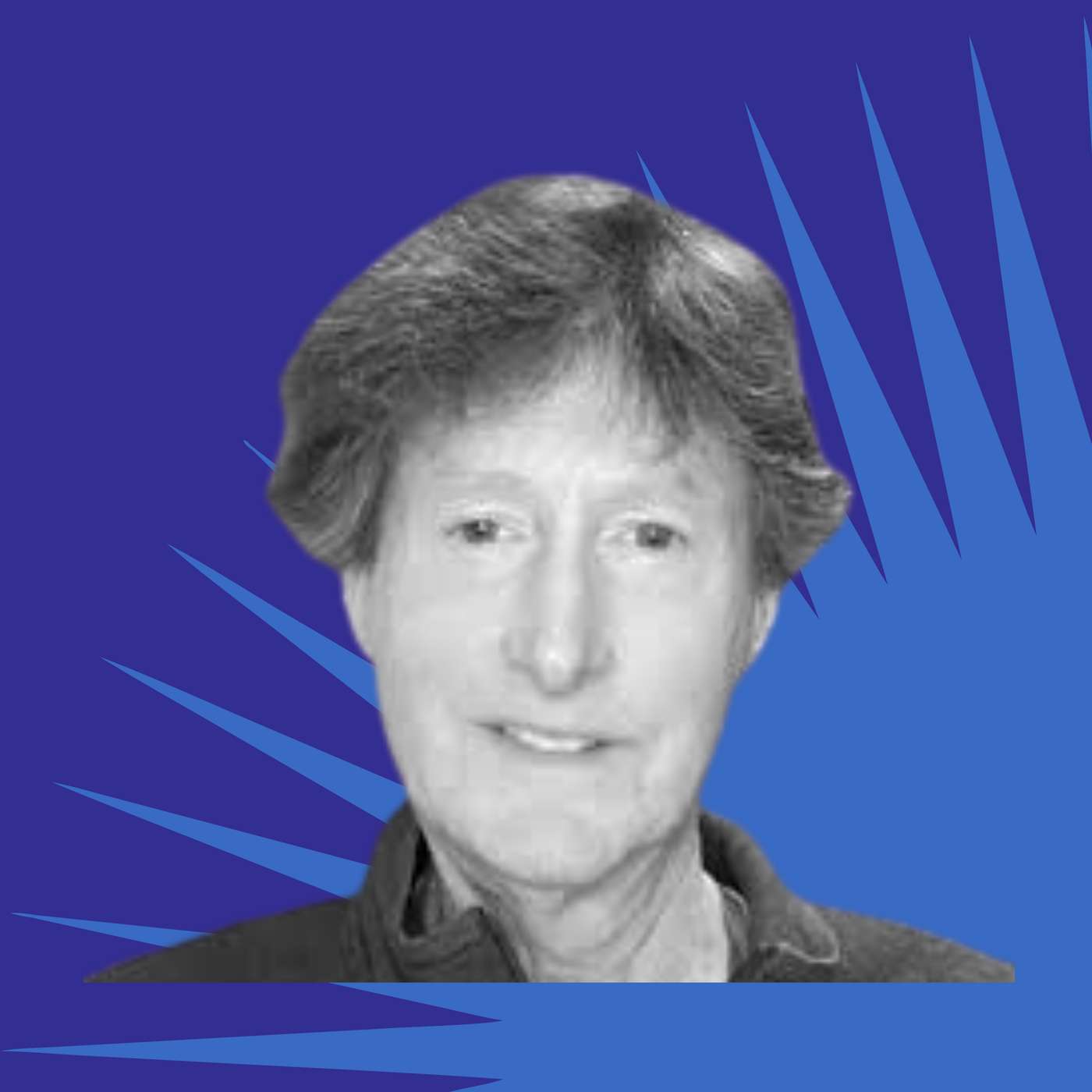
J. Doyne Farmer is Director of the Complexity Economics programme at the Institute for New Economic Thinking at the Oxford Martin School, Baillie Gifford Professor of Complex Systems Science at the Smith School for Enterprise and the Environment, University of Oxford, External Professor at the Santa Fe Institute, and Chief Scientist at Macrocosm. His current research is in economics, including agent-based modeling, financial instability and technological progress. He was a founder of Prediction Company, a quantitative automated trading firm that was sold to UBS in 2006. His past research includes complex systems, dynamical systems theory, time series analysis and theoretical biology. During the 1980s he was an Oppenheimer Fellow and the founder of the Complex Systems Group at Los Alamos National Laboratory. While a graduate student in the 1970s he built the first wearable digital computer, which was successfully used to predict the game of roulette.
Named as one of the "100 most connected men" by GQ magazine, Andrew Keen is amongst the world's best known broadcasters and commentators. In addition to presenting KEEN ON, he is the host of the long-running How To Fix Democracy show. He is also the author of four prescient books about digital technology: CULT OF THE AMATEUR, DIGITAL VERTIGO, THE INTERNET IS NOT THE ANSWER and HOW TO FIX THE FUTURE. Andrew lives in San Francisco, is married to Cassandra Knight, Google's VP of Litigation & Discovery, and has two grown children.
Keen On is a reader-supported publication. To receive new posts and support my work, consider becoming a free or paid subscriber.
This is a public episode. If you'd like to discuss this with other subscribers or get access to bonus episodes, visit
keenon.substack.com/subscribe