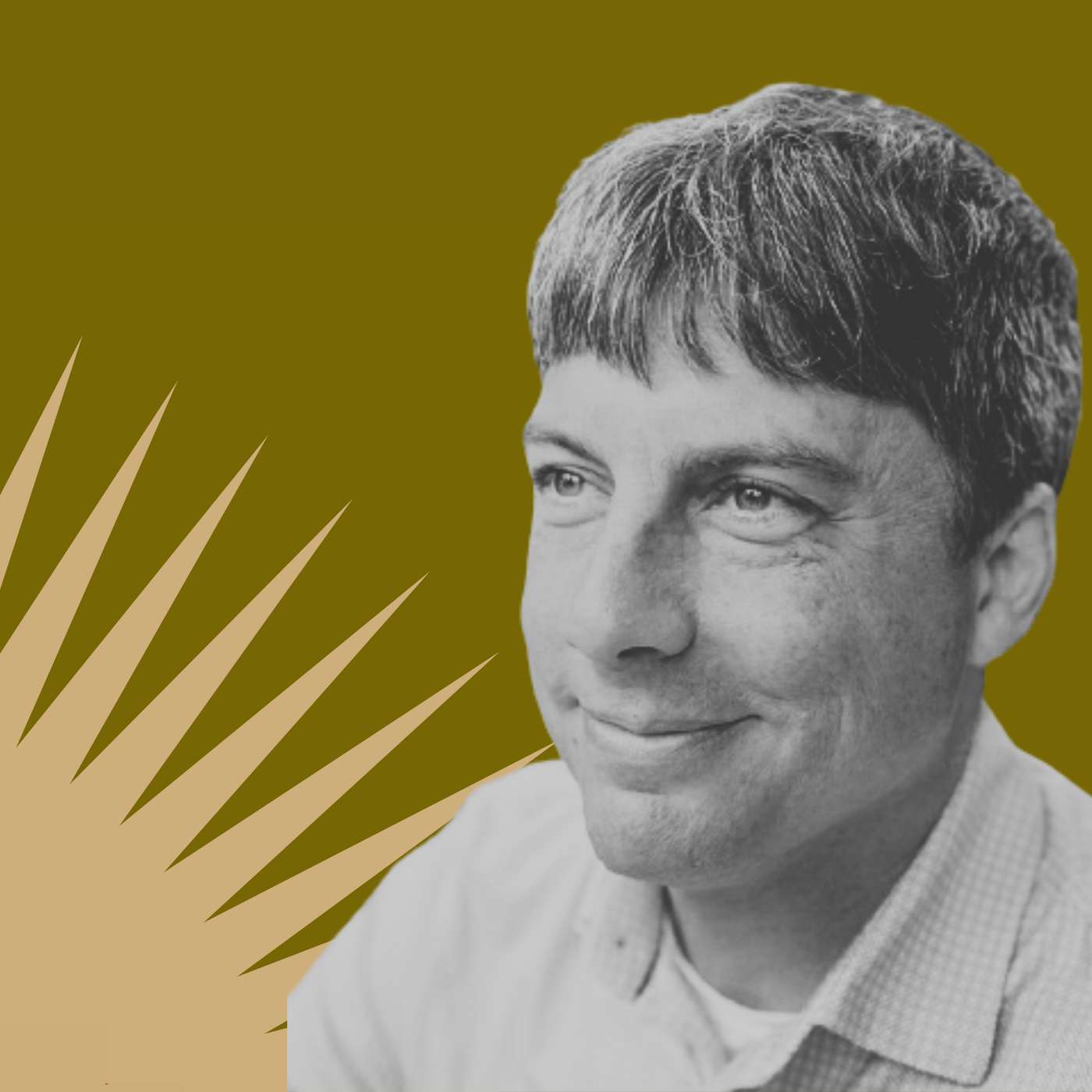
There’s a story today about how a VR headset can make us more empathetic toward nature. But according to the Pacific Northwest based author and biologist Thor Hanson, no digital technology can ever replicate nature. Instead, he argues in his new book Close to Home, we humans are wired, so to speak, to appreciate the natureal world whether its on the Galapagos or in our local park. In fact, he told me in a windswept conversation he recorded outside his home on San Juan island, the wonders of nature are just acute outside our door, even if we live in Los Angeles or New York City.
Here are the five KEEN ON AMERICA takeaways in our conversation with Thor Hanson:
1. Nature is accessible everywhere, not just in remote locations. Hanson emphasizes that meaningful connections with nature can be found right outside your door, even in highly urbanized environments like Los Angeles.
2. Local nature connections provide emotional resilience against global environmental challenges. Hanson suggests that forming bonds with nearby natural spaces helps counterbalance feelings of helplessness about larger environmental crises.
3. Scientific evidence confirms nature's positive impact on physical and mental health. Multiple studies show measurable benefits from nature exposure, including lower anxiety, reduced blood pressure, and faster recovery from illness.
4. Children have a natural ability to observe and connect with nature that adults often lose. Kids see more details in nature because they haven't developed the sensory filters that adults use to block out environmental stimuli.
5. Small-scale local conservation efforts can collectively make significant environmental impacts. Hanson shares examples like Switzerland's community pond-building initiative that successfully reversed amphibian population declines across an entire region.
Author and biologist Thor Hanson is a Guggenheim Fellow, a Switzer Environmental Fellow, and winner of the John Burroughs Medal. His books include Close to Home, Buzz, The Triumph of Seeds, Feathers, Bartholomew Quill, The Impenetrable Forest, Hurricane Lizards and Plastic Squid, Star and the Maestro, and more.
Named as one of the "100 most connected men" by GQ magazine, Andrew Keen is amongst the world's best known broadcasters and commentators. In addition to presenting the daily KEEN ON show, he is the host of the long-running How To Fix Democracy interview series. He is also the author of four prescient books about digital technology: CULT OF THE AMATEUR, DIGITAL VERTIGO, THE INTERNET IS NOT THE ANSWER and HOW TO FIX THE FUTURE. Andrew lives in San Francisco, is married to Cassandra Knight, Google's VP of Litigation & Discovery, and has two grown children.
Keen On America is a reader-supported publication. To receive new posts and support my work, consider becoming a free or paid subscriber.
This is a public episode. If you'd like to discuss this with other subscribers or get access to bonus episodes, visit
keenon.substack.com/subscribe