Question: What was the position of 19th century American Jews to the Civil War and Slavery?
Answer: Complicated. Very complicated.
Painfully and, in some ways, shamefully complicated, according to the historian Richard Kreitner. In his new book, Fear No Pharaoh, Kreitner explores the radically diverse positions that American Jews held toward slavery during the Civil War. He highlights 6 prominent Jewish figures including Judah Benjamin (a Confederate leader), Rabbi Morris Jacob Raphael (who justified slavery using Torah), David Einhorn (an abolitionist rabbi), Isaac Mayer Wise (who advised Jews to stay out of the conflict), August Bondy (who fought with John Brown), and Ernestine Rose (a radical feminist activist). Kreitner explains how American Jews, numbering around 150,000 by 1860, were - like the rest of the (dis)United States - deeply divided on slavery, with most influenced by regional issues that usurped the supposedly universalist religious ethic of their faith.
5 KEEN ON AMERICA TAKEAWAYS
* American Jews were deeply divided on slavery and the Civil War, with most adopting the political views of their geographic region rather than having a unified "Jewish position."
* The Jewish experience with slavery in Egypt (celebrated in the Passover tradition) created a complex dynamic for American Jews confronting American slavery, with some using it to oppose slavery while others justified the practice.
* Jewish figures like Judah Benjamin rose to high positions in the Confederacy, while others like Rabbi David Einhorn were forced to flee for their anti-slavery activism.
* Anti-Semitism was relatively subdued in the American South before the Civil War (as Black enslavement served as the primary social hierarchy), but increased during and after the war.
* Figures like Ernestine Rose represented an intersection of Jewish identity, abolitionism, women's rights activism, and freethinking, highlighting the diverse ways American Jews engaged with 19th century social reform movements.
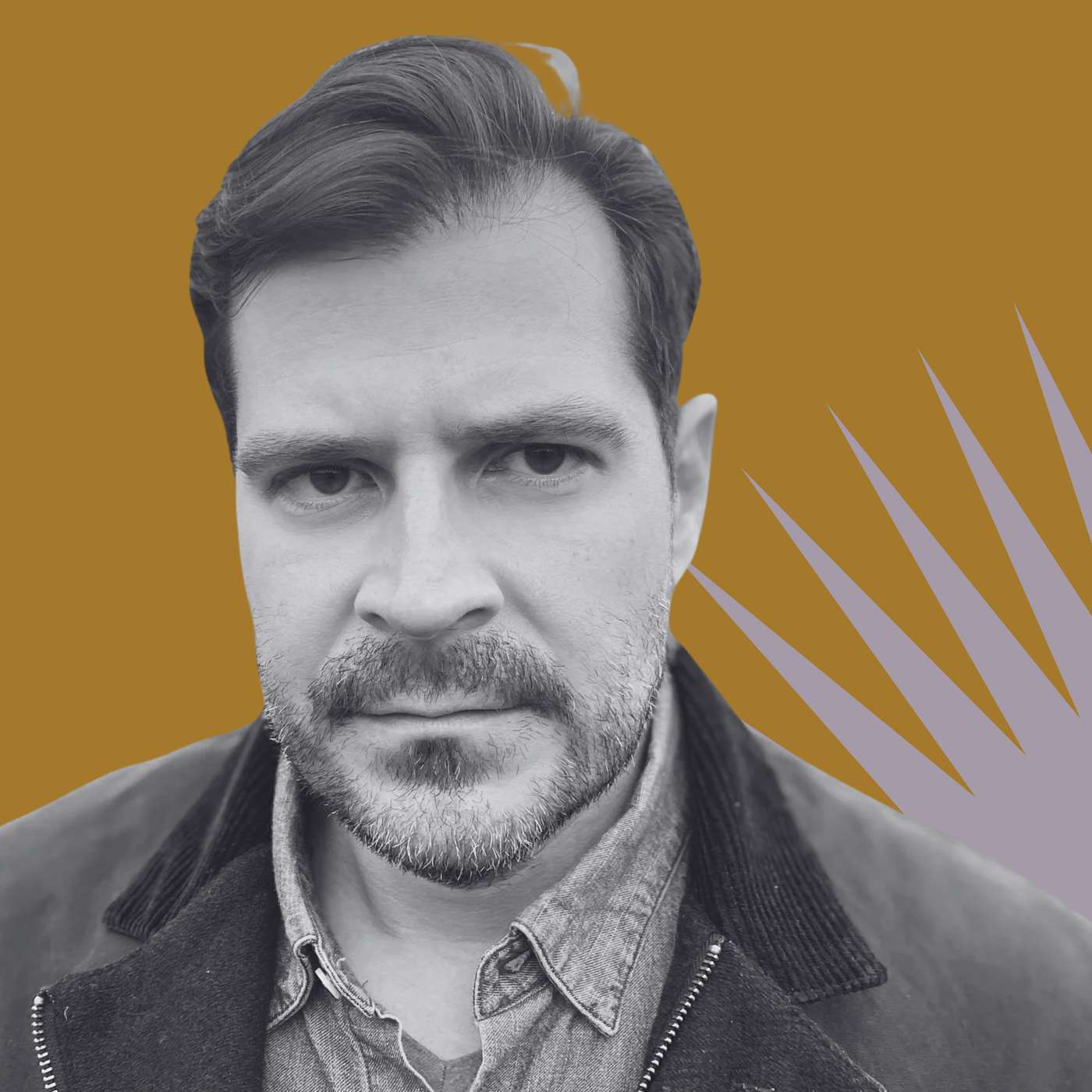
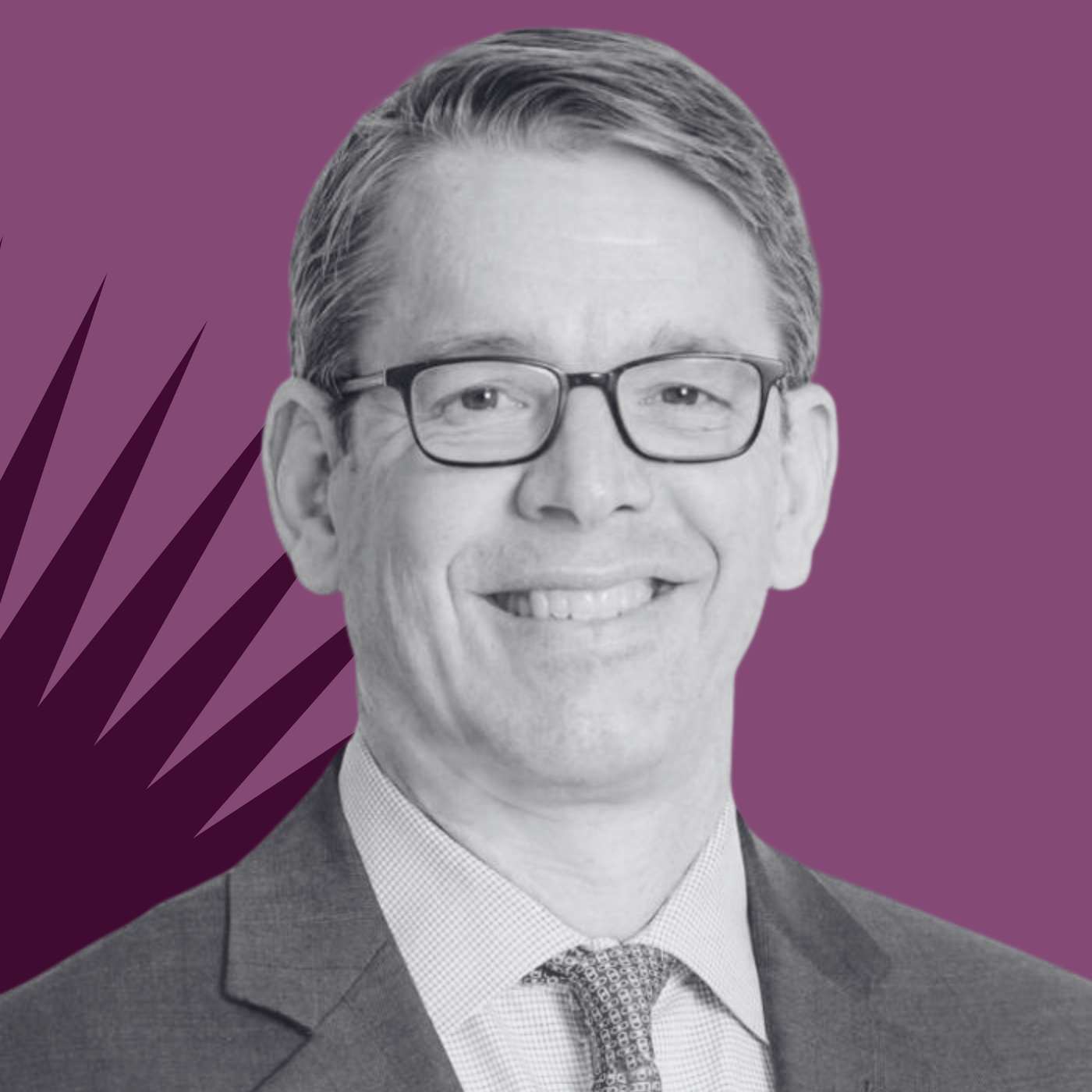
Richard Kreitner is the author of Break It Up: Secession, Division, and the Secret History of America’s Imperfect Union and Booked: A Traveler’s Guide to Literary Locations Around the World. He has written for The New York Times, The Washington Post, The Boston Globe, The Nation, Slate, Raritan, The Baffler, and other publications. He lives in the Hudson Valley, New York. In his new Substack podcast, Think Back, Kreitner interview US historians about connections between the past and the present.
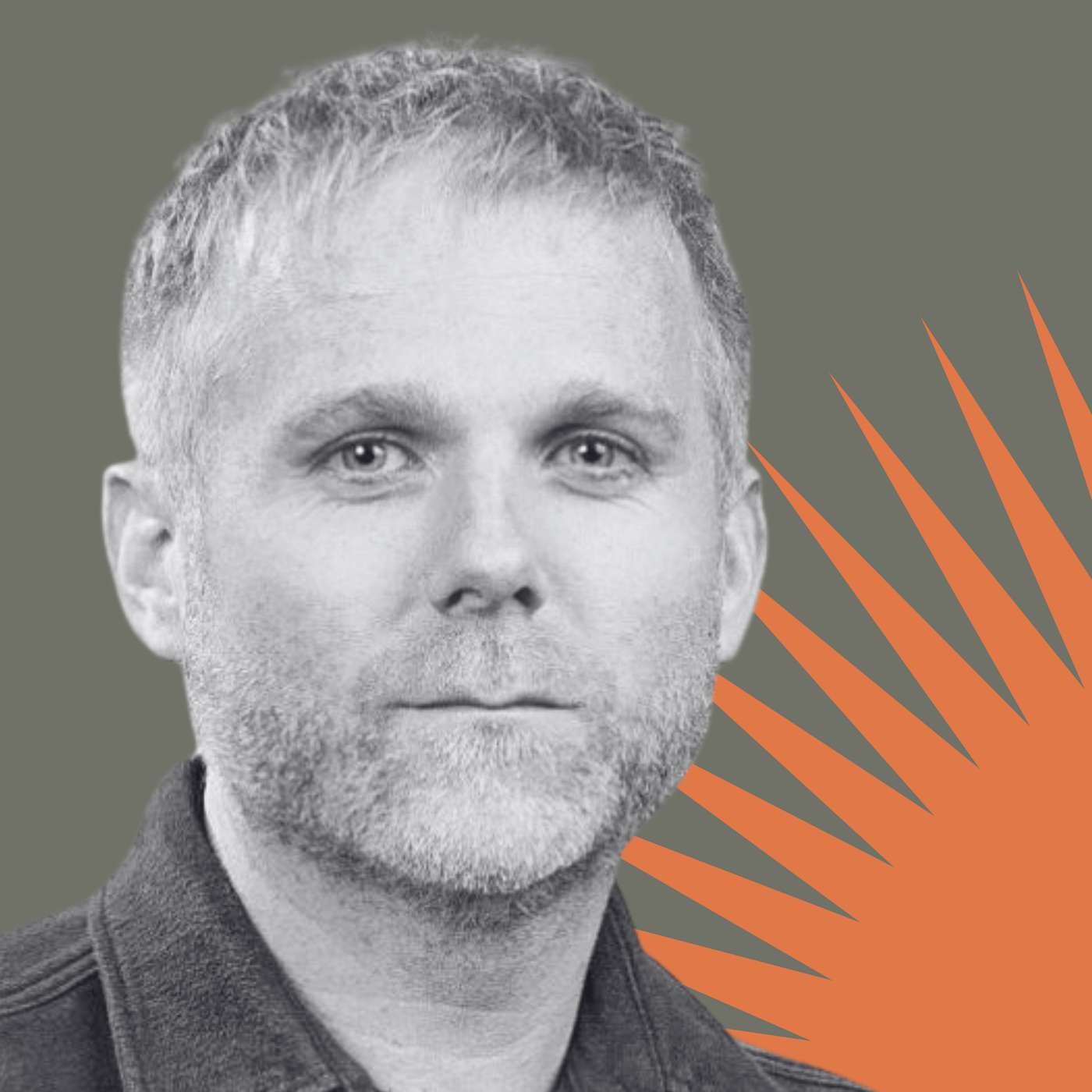
Named as one of the "100 most connected men" by GQ magazine, Andrew Keen is amongst the world's best known broadcasters and commentators. In addition to presenting the daily KEEN ON show, he is the host of the long-running How To Fix Democracy interview series. He is also the author of four prescient books about digital technology: CULT OF THE AMATEUR, DIGITAL VERTIGO, THE INTERNET IS NOT THE ANSWER and HOW TO FIX THE FUTURE. Andrew lives in San Francisco, is married to Cassandra Knight, Google's VP of Litigation & Discovery, and has two grown children.
This is a public episode. If you'd like to discuss this with other subscribers or get access to bonus episodes, visit
keenon.substack.com/subscribe