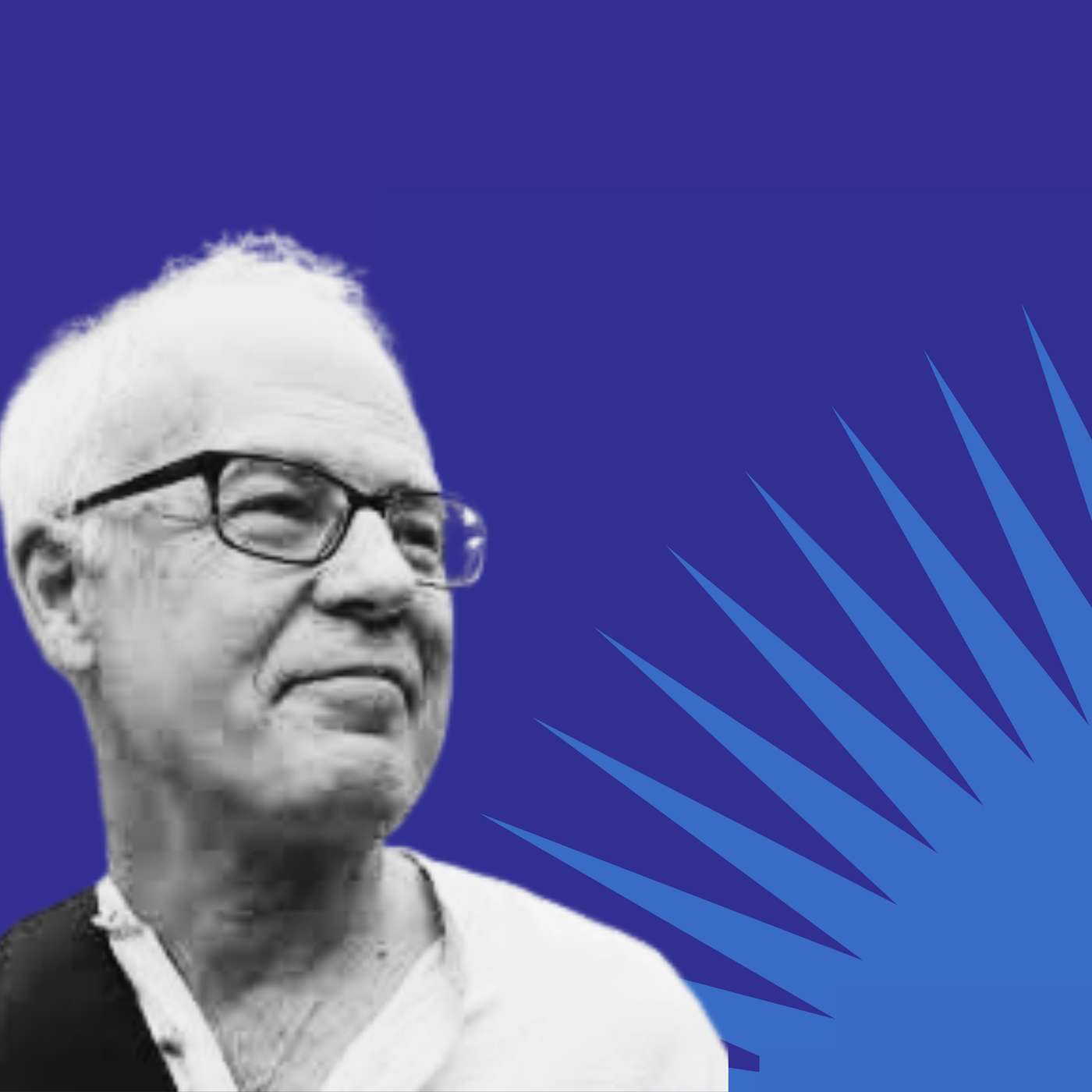
Who are the most symbolic mid 20th century American Jews? In Eminent Jews, New Yorker staff writer David Denby tells the remarkable stories of Leonard Bernstein, Mel Brooks, Betty Friedan, and Norman Mailer. He explains how each embodied a new Jewish confidence after WWII, contrasting with earlier generations' restraint. Each figure pushed boundaries in their own way - Bernstein through his musical versatility, Brooks through his boundary-pushing humor about Jewish experiences, Friedan through her feminist theories, and Mailer through his provocative writing style.
Five key takeaways
* Post-WWII Jewish Americans displayed a newfound confidence and willingness to stand out publicly, unlike previous generations who were more cautious about drawing attention to their Jewishness.
* The four figures in Denby's book (Bernstein, Brooks, Friedan, and Mailer) each embraced their Jewish identity differently, while becoming prominent in American culture in their respective fields.
* Mel Brooks used humor, particularly about Jewish experiences and historical trauma, as both a defense mechanism and a way to assert Jewish presence and resilience.
* Each figure pushed against the restraint of previous Jewish generations - Bernstein through his expressive conducting and openness about his complex sexuality, Friedan through her feminist activism, and Mailer through his aggressive literary style.
* Rejecting the notion that a Jewish "golden age" has ended, Denby believes that despite current challenges including campus anti-Semitism, American Jews continue to thrive and excel disproportionately to their population size.
David Denby is a staff writer at The New Yorker. He served as a film critic for the magazine from 1998 to 2014. His first article for The New Yorker, “Does Homer Have Legs?,” published in 1993, grew into a book, “Great Books: My Adventures with Homer, Rousseau, Woolf, and Other Indestructible Writers of the Western World,” about reading the literary canon at Columbia University. His other subjects for the magazine have included the Scottish Enlightenment, the writers Susan Sontag and James Agee, and the movie directors Clint Eastwood and the Coen brothers. In 1991, he received a National Magazine Award for three of his articles on high-end audio. Before joining The New Yorker, he was the film critic at New York magazine for twenty years; his writing has also appeared in The Atlantic, The New York Review of Books, and The New Republic. He is the editor of “Awake in the Dark: An Anthology of Film Criticism, 1915 to the Present” and the author of “American Sucker”; “Snark”; “Do the Movies Have a Future?,” a collection that includes his film criticism from the magazine; and “Lit Up,” a study of high-school English teaching.
This is a public episode. If you'd like to discuss this with other subscribers or get access to bonus episodes, visit
keenon.substack.com/subscribe