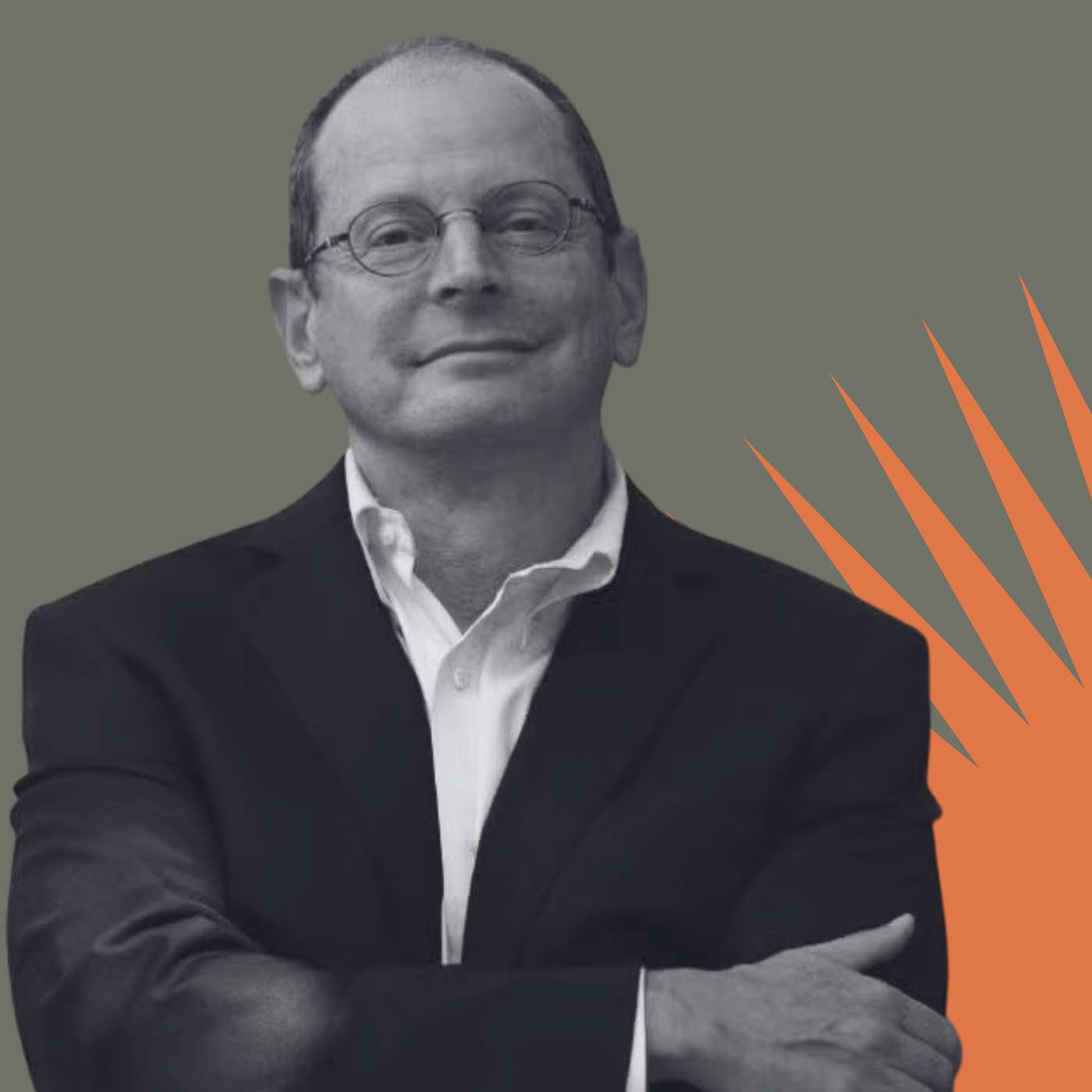
Is spying an un-American activity? Not according to Jeffrey Rogg, whose new book, The Spy and the State, tells the story of American intelligence from the Revolutionary War to the present day. Rogg explores America's ambivalent relationship with espionage, arguing that spying is often viewed as "un-American" and yet necessary. he discusses key figures in American intelligence history such as OSS founder “Wild” Bill Donovan as well as shameful episodes like the botched Bay of Pigs invasion. Rogg highlights how these agencies reflect American society's strengths and weaknesses, and warns against over-politicizing intelligence. Throughout history, he emphasizes, Americans have gotten the intelligence community they've "bargained for." Which is certainly one way of thinking about SignalGate and the current state of American intelligence.
5 take-aways
* Americans have historically viewed spying as a "necessary evil" that contradicts core American values of transparency and forthrightness, creating an inherent tension in the intelligence community.
* Intelligence agencies often reflect the broader society - during crises, they tend to surveil minority groups, showing how America's fears manifest in intelligence operations.
* Major intelligence failures (like the Bay of Pigs) and domestic surveillance represent dark chapters that have eroded public trust in intelligence institutions.
* Political polarization of intelligence agencies is dangerous - when appointed leaders and career officials are at odds, it creates a toxic environment for effective intelligence work.
* The intelligence community struggles to keep pace with technological advances, creating challenges for modern operations (as seen in the Signal Crisis and COVID work-from-home limitations).
*
Jeffrey P. Rogg is Senior Research Fellow at the Global and National Security Institute at the University of South Florida. He previously held academic positions at the Joint Special Operations University at US Special Operations Command, the Department of Intelligence and Security Studies at The Citadel, and the National Security Affairs Department at the US Naval War College. He has a BA from Swarthmore College, a JD from Villanova University, an MA in Security Studies from the Georgetown University School of Foreign Service, and a PhD in history from The Ohio State University. He serves on the boards of the International Journal of Intelligence and CounterIntelligence and the Society for Intelligence History. He lives in Tampa, Florida.
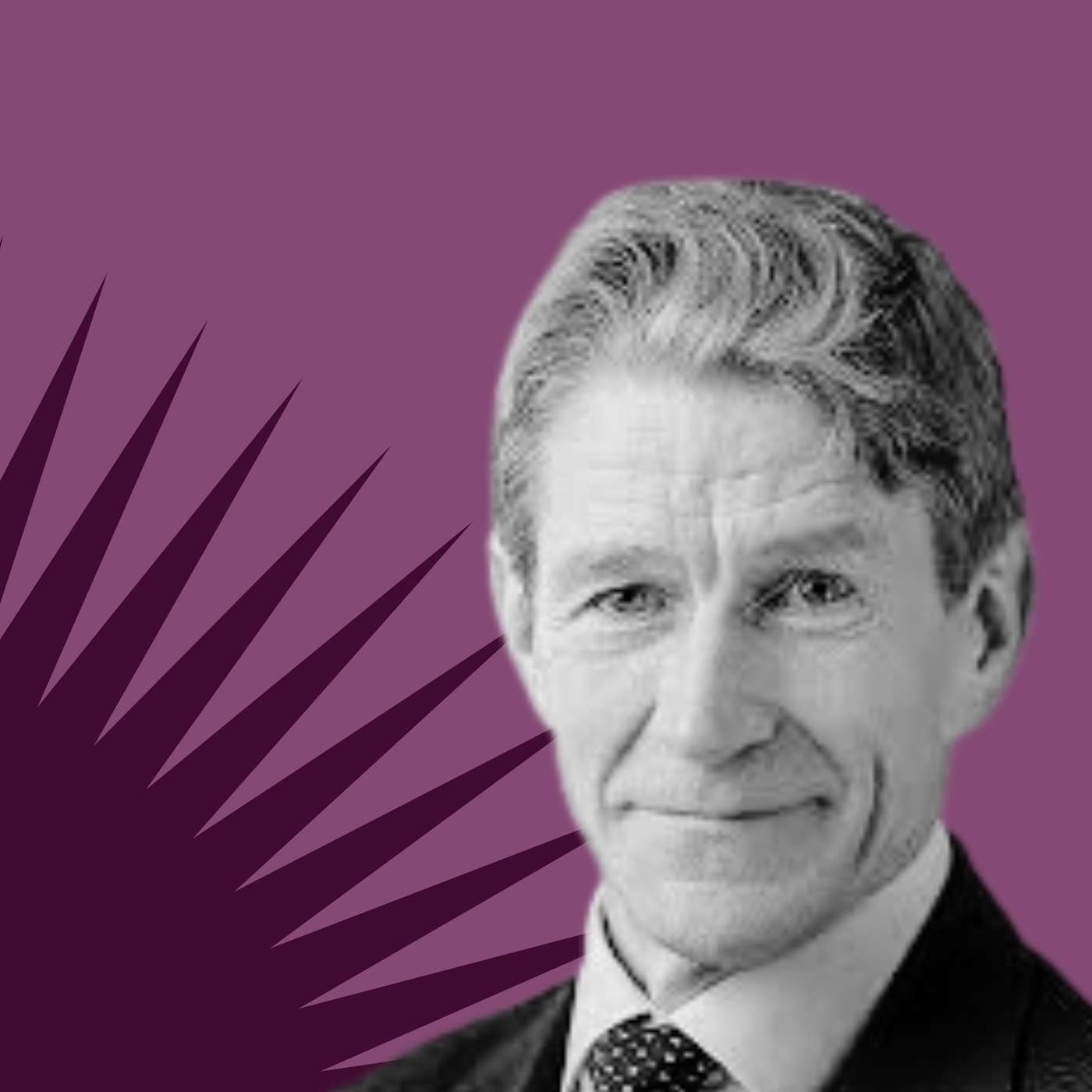
Named as one of the "100 most connected men" by GQ magazine, Andrew Keen is amongst the world's best known broadcasters and commentators. In addition to presenting the daily KEEN ON show, he is the host of the long-running How To Fix Democracy interview series. He is also the author of four prescient books about digital technology: CULT OF THE AMATEUR, DIGITAL VERTIGO, THE INTERNET IS NOT THE ANSWER and HOW TO FIX THE FUTURE. Andrew lives in San Francisco, is married to Cassandra Knight, Google's VP of Litigation & Discovery, and has two grown children.
Keen On America is a reader-supported publication. To receive new posts and support my work, consider becoming a free or paid subscriber.
This is a public episode. If you'd like to discuss this with other subscribers or get access to bonus episodes, visit
keenon.substack.com/subscribe