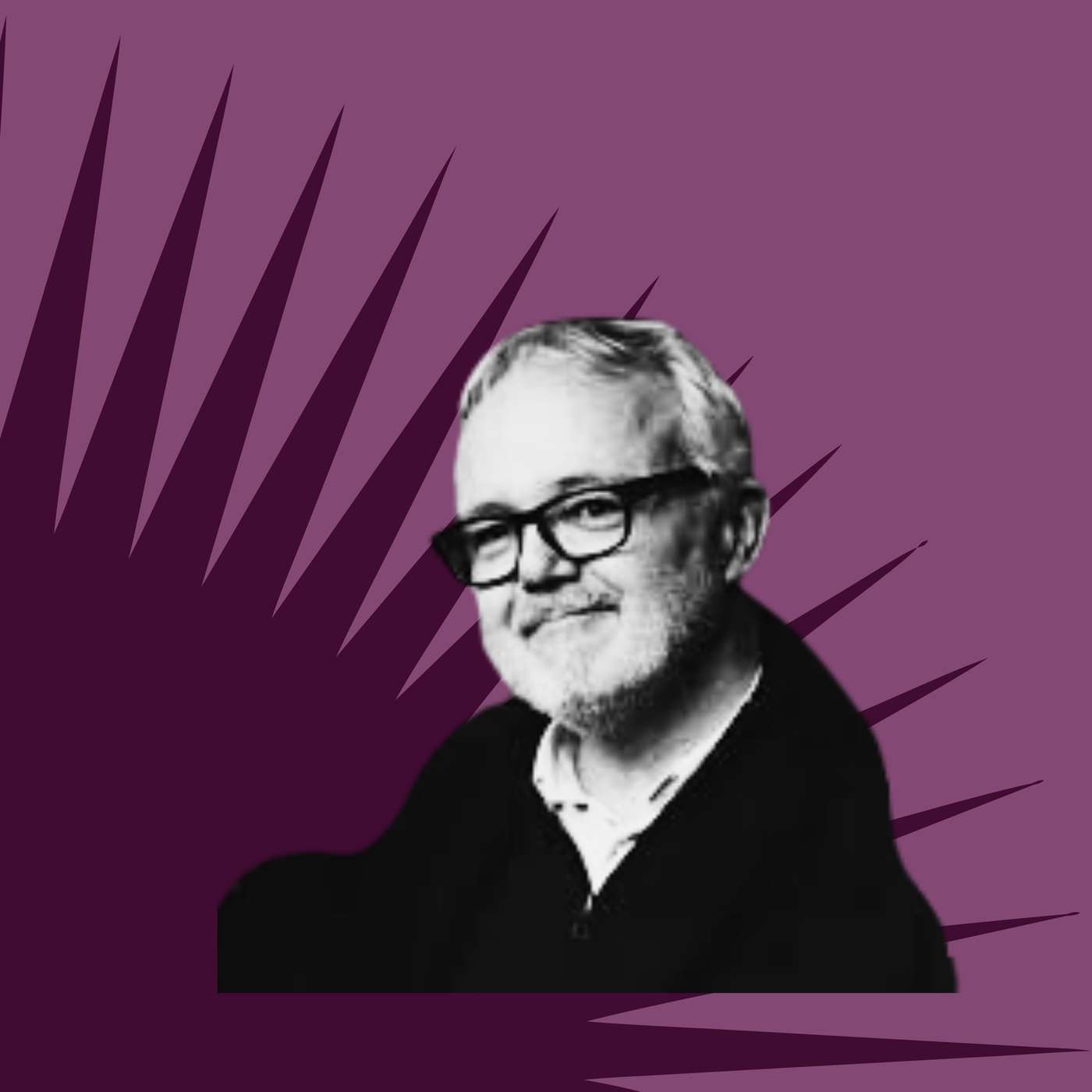
"I wake up at 3 AM, check my phone to see what fresh hell has come out, and it's usually two words: 'Trump threatens.'" — Peter Bale
We're reversing the lens today. Rather than examining America from the inside, we're peering at it from the outside in—from New Zealand, at the bottom of the world. Peter Bale is a longtime media executive who's had senior positions at CNN, Reuters, and News Corp. He's now back in his native New Zealand, waking up at 3 AM to check his phone. The news, he says, is usually two words: "Trump threatens."
Much of our conversation centers on the former NZ Prime Minister Jacinda Ardern. She led New Zealand's COVID response, Anthony Fauci style, with daily press conferences and a scientific mastery of the facts. An estimated 20,000 lives were saved. But she also became the target of profound misogyny and physical threats that no New Zealand Prime Minister had ever experienced. She now lives in Boston—teaching at Harvard's Shorenstein Center—because she can't safely live in her own country.
Bale describes a dark MAGA-style underbelly in New Zealand that surprised him when he returned after 50 years abroad. Christian nationalists, anti-Maori sentiment, "Christchurch skinheads." US platforms—especially X—have given permission to speak in ways that would have been unacceptable. When the President uses that rhetoric, Bale notes, the permission for personal calumny is quadrupled.
We also discuss the Epstein files (the media failed to connect the dots), Will Lewis's destruction of the Washington Post ("utterly reprehensible"), and whether America is finished. Bale's answer: "I don't think America is ever done. Every time people perceive it to be done, it has a political or economic renewal." The question is who comes after Trump—Vance or somebody even more threatening—and who will keep waking Peter Bale at 3 AM.
Five Takeaways
● The View from 18,000 Miles Is Punch-Drunk: Bale wakes at 3 AM to check his phone. The news is usually two words: "Trump threatens." Small countries like New Zealand depend on the international rule of law. When that breaks down, they feel it acutely.
● Jacinda Ardern Became New Zealand's Fauci: She led the COVID response with daily press conferences and saved an estimated 20,000 lives. But she became the target of profound misogyny and physical threats. She now lives in Boston because she can't safely live in New Zealand.
● "They Are Us" Was the Right Three Words: After an Australian livestreamed himself killing 51 Muslims in Christchurch, Ardern flew there immediately, wore a head covering, and said of the victims: "They are us." It hung in the air as exactly what needed to be said.
● Trumpism Has Gone International: New Zealand has its own dark underbelly—Christian nationalists, anti-Maori sentiment, "Christchurch skinheads." US platforms have given permission to speak in ways that would have been unacceptable. When the President uses that rhetoric, the permission is quadrupled.
● America Is Never Done: Every time people perceive it to be finished, it has a political or economic renewal. Its ability to rebuild itself constantly is astounding. The question is who comes after Trump—Vance or somebody worse.
About the Guest
Peter Bale is a longtime media executive based in New Zealand. He has held senior positions at CNN, Reuters, News Corp, and the Center for Public Integrity. He ran WikiTribune and has been a close observer of both American and international media for decades.
References
People mentioned:
● Jacinda Ardern was Prime Minister of New Zealand during COVID. She now teaches at Harvard's Shorenstein Center because she can't safely live in her own country.
● Mark Carney has articulated what Bale calls the "Carney doctrine"—medium-sized countries standing up to US unilateralism.
● Will Lewis presided over cuts at the Washington Post that Bale calls "utterly reprehensible," including eliminating international bureaus and the books section.
● Michael Wolff has spent three years trying to interest mainstream media in Trump-Epstein connections. Trump's defense: "I'm not a schmuck enough to use email."
About Keen On America
Nobody asks more awkward questions than the Anglo-American writer and filmmaker Andrew Keen. In Keen On America, Andrew brings his pointed Transatlantic wit to making sense of the United States—hosting daily interviews about the history and future of this now venerable Republic. With nearly 2,800 episodes since the show launched on TechCrunch in 2010, Keen On America is the most prolific intellectual interview show in the history of podcasting.
Website
Substack
YouTube
Apple Podcasts
Spotify
Chapters:
- (00:00) - Introduction: Reversing the lens
- (01:00) - Punch-drunk 18,000 miles away
- (03:00) - The Carney doctrine and standing up to Trump
- (05:00) - Whatever happened to Jacinda Ardern?
- (08:00) - Ardern as New Zealand's Fauci
- (09:00) - The Christchurch mosque shooting: 'They are us'
- (11:00) - The dark heart of New Zealand politics
- (13:00) - Has New Zealand caught Trumpism?
- (15:00) - The collapse of trust in media
- (16:00) - Peter's role in New Zealand media funding
- (18:00) - Opinion vs. reporting: What went wrong
- (21:00) - The Epstein files and media failure
- (25:00) - Will Lewis and the Washington Post disaster
- (28:00) - Will America survive?
- (30:00) - America is never done