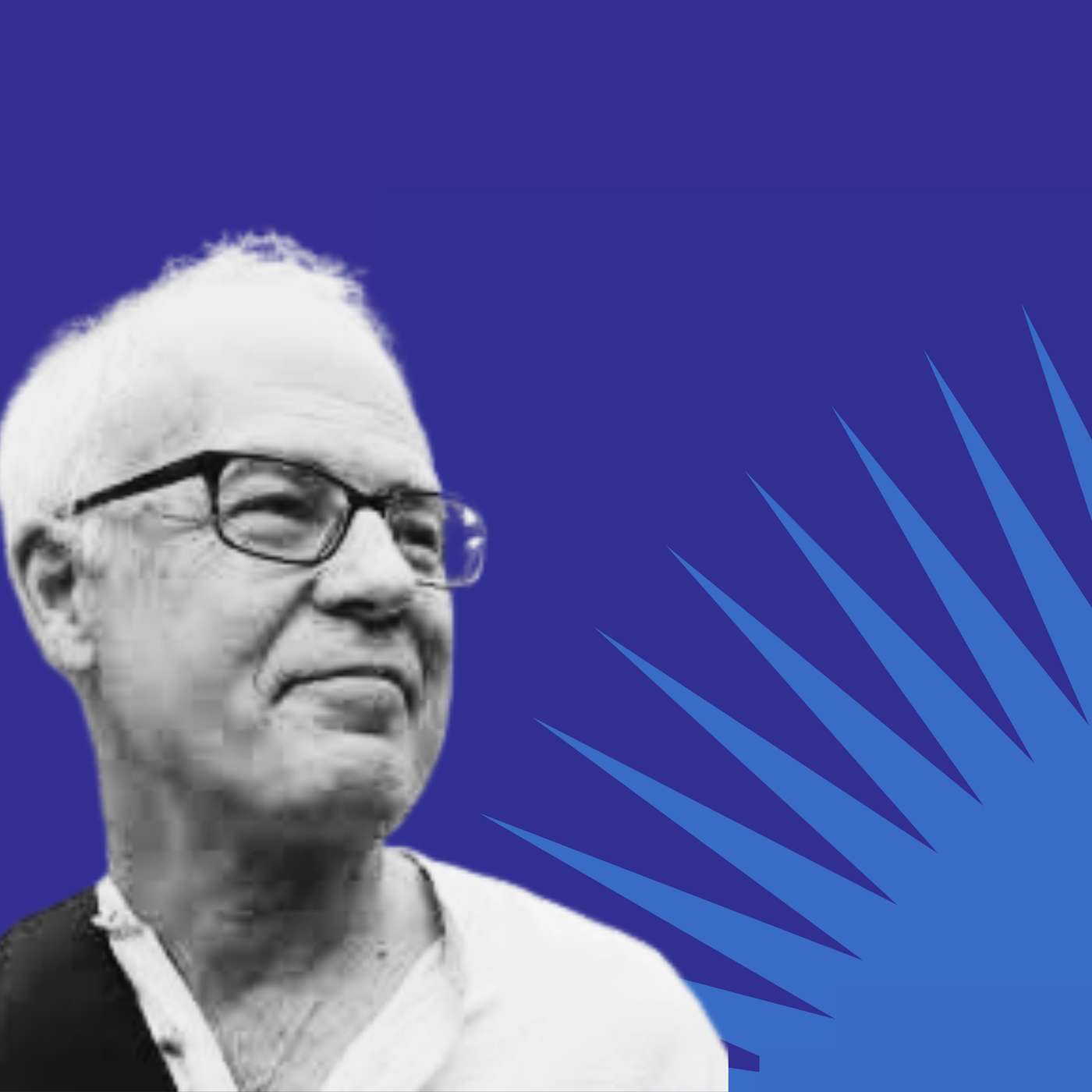
Lawyers usually like the law. The more the better. But in addition to his life as a top corporate lawyer, Philip K. Howard has made a second career out of criticizing the invasion of law into American society. In books like The Death of Common Sense, Life Without Lawyers and his latest, Saving Can-Do, Howard argues that a uncontrolled thicket of legal red tape is undermining innovation in America. The lawyer’s central thesis is against the law: America has morphed from a can-do nation into a can’t-do society where individual judgment has been replaced by legal central planning, and where citizens must ask lawyers for permission before acting. Too many lawyers and too many laws, Howard says, are transforming America into a dystopia caught between Brave New World and Nineteen Eighty-Four. But isn’t that a bit rich, perhaps even Orwellian, from the Senior Counsel at one of America’s most illustrious law firms?
Keen On America is a reader-supported publication. To receive new posts and support my work, consider becoming a free or paid subscriber.
1. America’s transformation from can-do to can’t-do spirit Howard argues America has abandoned individual judgment and self-reliance for a system where citizens must seek legal permission before acting. The “spirit of America” — the ability to make choices and associate freely — has been replaced by legal central planning.
2. Law has become a secular religion Rather than a practical tool for ordering society, law has become something Americans worship and defer to reflexively. People can no longer make basic judgments about character, competence, or risk without consulting legal frameworks — transforming citizens into dependents.
3. The legal profession needs radical reduction Howard believes America has far too many lawyers acting as gatekeepers in daily life. His solution isn’t reform but elimination: get lawyers out of routine human interactions, contracts, and decisions. Let people negotiate directly and make their own judgments about trust and risk.
4. This isn’t partisan — it’s about human agency Howard rejects the “conservative” label, arguing both left and right have created their own legal straitjackets. Progressives impose legal controls through regulation; conservatives through litigation and status quo protection. His concern transcends ideology: can individuals still exercise judgment and take responsibility?
5. The contradiction is the point Howard embraces the irony of a successful corporate lawyer attacking his profession. He’s spent his career in BigLaw precisely because he understands how the system works — and that insider knowledge fuels his conviction that legal overreach is suffocating American innovation and freedom. The question isn’t whether he’s hypocritical, but whether he’s right.
Keen On America is a reader-supported publication. To receive new posts and support my work, consider becoming a free or paid subscriber.
This is a public episode. If you'd like to discuss this with other subscribers or get access to bonus episodes, visit
keenon.substack.com/subscribe