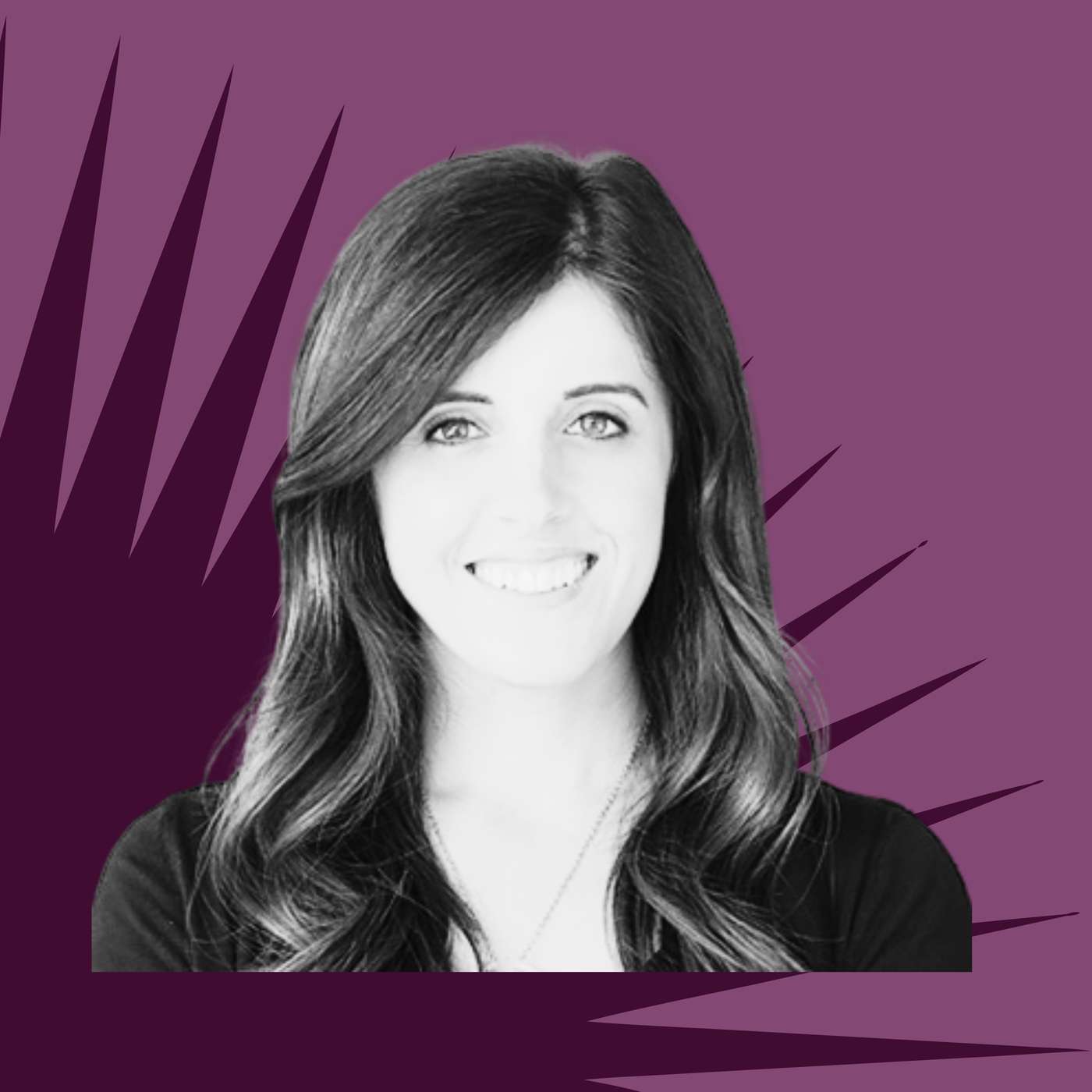
“We should all be able to look at the numbers and agree that this is not sustainable and that whatever we’ve been doing is not working. Democrats have had their chance, and Republicans have had their chance, and it’s only gotten worse.” — Halle Tecco
Warren Buffett called America’s healthcare costs “a hungry tapeworm on the American economy.” That tapeworm now devours nearly a fifth of the nation’s GDP—and the patient, as always, is on the table. We dedicate today’s show to this most perennial of all America’s problems, with two guests and two new books that approach the tragi-comedy from different angles.
Self-styled innovation wonk Halle Tecco—founder of Rock Health, investor in over fifty digital health companies, professor at Columbia Business School—argues in Massively Better Healthcare that the system is both excessively public and excessively private, a Kafkaesque bureaucracy in which verticalized health plans now own the PBMs, the pharmacies, and increasingly the doctors. The result is monopoly medicine on a scale that would have appalled the original trust-busters.
This is ultimately an antitrust story. As we’ve discussed on the show with Tim Wu, Biden’s chief antitrust enforcer, the concentration of corporate power is the great unfinished business of American democracy. Tecco makes the case that Big Med is where the trust busters should go next after Big Tech. UnitedHealth is now one of the largest employers of doctors in the country. So it wasn’t exactly shocking when the UnitedHealth CEO was assassinated two years ago. The system isn’t broken, Tecco suggests. It’s working exactly as designed—just not for patients.
Surgeon Robin Blackstone, MD, author of Doctor AI: Reimagining Health. Rebuilding Trust. Delivering Health 4.0, joins us in the second half of the show to offer a view from the front lines. After 30 years as a surgeon, Blackstone confirms everything Tecco diagnoses—and adds a chilling detail of her own: the system is priced entirely for fixing illness, not preventing it. Her prescription is a “triangle of trust” between patient, physician, and AI—with the patient finally owning their own data.
Both agree on one thing: every dollar spent on public health saves $14.30 in medical and societal costs. We are all already paying for all the waste. We just need to fix Big Med. But who’s going to do it? Tecco says that America is ready for another round of Obamacare politics. But I’m not so sure.
Five Takeaways
• Healthcare Is a Tale of Two Civilizations: If you’re wealthy, you go to UCSF and get the best care in the world. If you’re not, you’re one of the 100 million Americans without a regular primary care provider. Healthcare debt is the number one cause of bankruptcy. A person earning $30,000 in a rural county can expect to live a full decade less than someone earning $100,000 in an affluent suburb.
• The Real Winners Are Monopoly Medicine: Verticalized health plans now own the PBMs, the pharmacies, and increasingly the providers. The ACA’s profit cap forced them to grow the pie instead of getting more efficient. United is now one of the largest employers of doctors in the country. Independent pharmacies are closing at the rate of one per day. Rite Aid is bankrupt—the only major chain not owned by a health plan.
• Every $1 in Public Health Saves $14.30: We’re already paying for the crisis—in emergency room visits, lost productivity, and disability. We just need to move the safety net upstream. Public health is the only part of the system designed for prevention, yet its share of total health spending has dropped 25% in two decades. The economic case is overwhelming. The political will is not.
• AI Could Break the Information Asymmetry: Patients are already using ChatGPT to diagnose themselves—and sometimes it’s saving their lives. One woman caught her own pneumonia because her doctor couldn’t see her for a week. But some doctors want to keep the paternalism: one AI tool built on medical journals is restricted to clinicians only because making it available to patients would “piss off the doctors.”
• The System Is Priced for Rescue, Not Health: Everything is loaded to the moment your gallbladder goes bad or your heart gets a blockage. Prevention doesn’t get paid for. Both guests agree: we need a massive re-pricing that rewards keeping people healthy, not just treating them when they’re sick. That means paying doctors to prevent strokes, not just to fix them.
About the Guests
Halle Tecco is the founder of the venture fund Rock Health and an investor in more than fifty digital health companies. She is an adjunct professor at Columbia Business School and a course director at Harvard Medical School. Her new book is Massively Better Healthcare: The Innovator’s Guide to Tackling Healthcare’s Biggest Challenges (Columbia University Press).
Robin Blackstone, MD, is a physician, health systems architect, and founder of Blackstone Health. A surgeon by training with 30 years of clinical experience, she is the author of Doctor AI: Reimagining Health. Rebuilding Trust. Delivering Health 4.0.
References
Previous Keen On episodes and authors mentioned:
• Robert Pearl on how AI will be monetized in the healthcare industry
• Tim Wu on the extractive economics of platform capitalism
• Zeke Emanuel on which country has the world’s best healthcare
• Warren Buffett on healthcare costs as “a hungry tapeworm on the American economy”
About Keen On America
Nobody asks more awkward questions than the Anglo-American writer and filmmaker Andrew Keen. In Keen On America, Andrew brings his pointed Transatlantic wit to making sense of the United States—hosting daily interviews about the history and future of this now venerable Republic. With nearly 2,800 episodes since the show launched on TechCrunch in 2010, Keen On America is the most prolific intellectual interview show in the history of podcasting.
Website
Substack
YouTube
Apple Podcasts