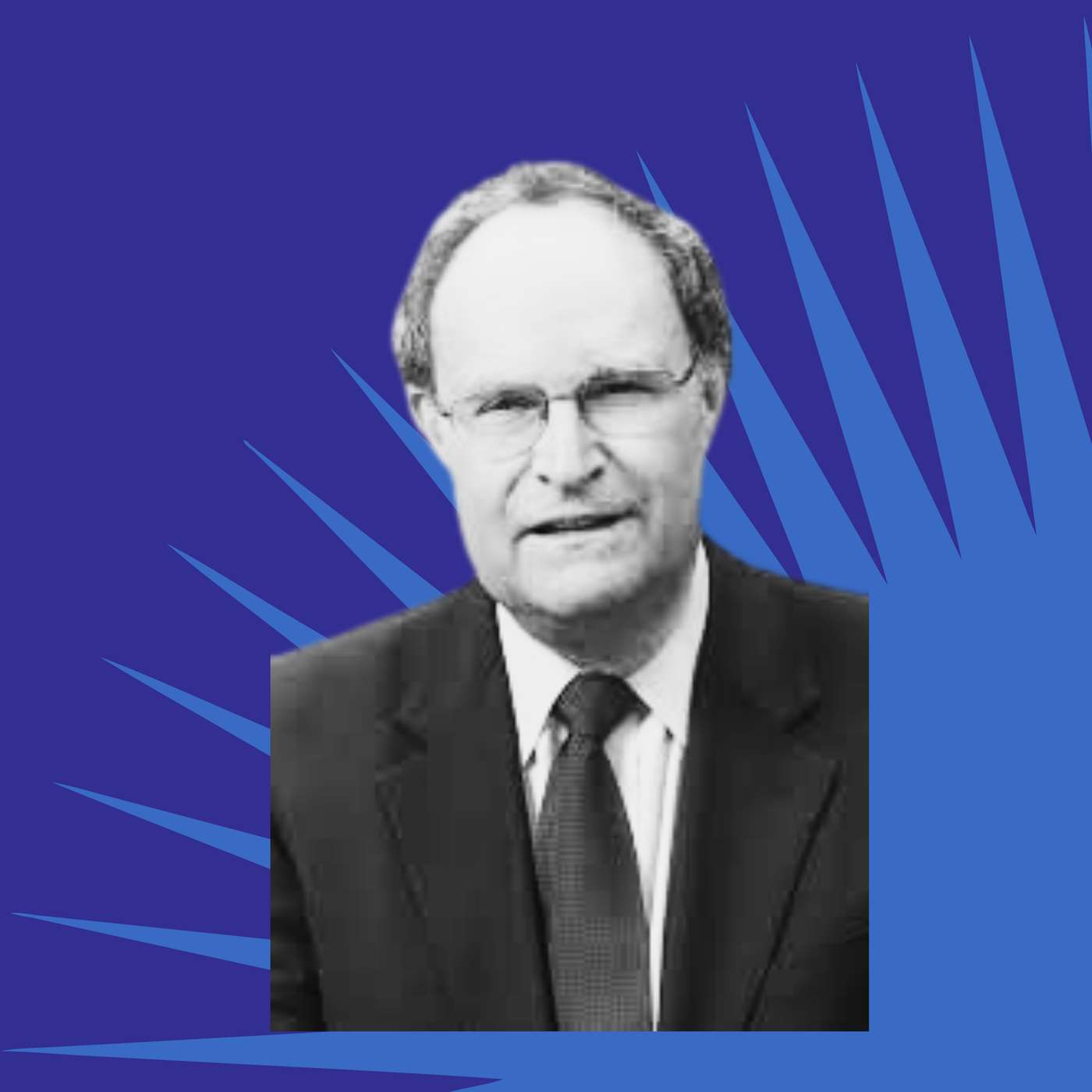
EPISODE 1390: In this KEEN ON episode, Andrew talks to behavorial economist and author of MIXED SIGNALS, Uri Gneezy, about how incentives really work in terms of getting people to change how they behave
Uri Gneezy is an economist, behavioral scientist, innovative strategist, entrepreneur, professor and author of the critically acclaimed book, The Why Axis. He is particularly interested in the ways habits are formed and the effectiveness of incentives.1 He relies on experimental economics to better understand real-life behavior, which has led his work to more closely align with behavioral economics than traditional economics. Early on, Gneezy understood that while economic theories were useful, they often failed to explain real human behavior. Instead of trying to prove or test theories, Gneezy begins his work by observing behavior and then coming up with questions that the field of economics has not adequately addressed.2 His simple empirical demonstrations show the power of cognitive biases and the intersection between the human psyche and behavior.3 Uri Gneezy is often accredited as one of the leading figures of behavioral economics, especially when it comes to innovative thinking and experimental economics. His academic research spans various disciplines and continues to challenge the social sciences to more accurately depict real-life behavior.4 Gneezy understands that for economic principles to be effective, they must take psychological matters into account. His latest book is Mixed Signals.
Named as one of the "100 most connected men" by GQ magazine, Andrew Keen is amongst the world's best known broadcasters and commentators. In addition to presenting KEEN ON, he is the host of the long-running How To Fix Democracy show. He is also the author of four prescient books about digital technology: CULT OF THE AMATEUR, DIGITAL VERTIGO, THE INTERNET IS NOT THE ANSWER and HOW TO FIX THE FUTURE. Andrew lives in San Francisco, is married to Cassandra Knight, Google's VP of Litigation & Discovery, and has two grown children.