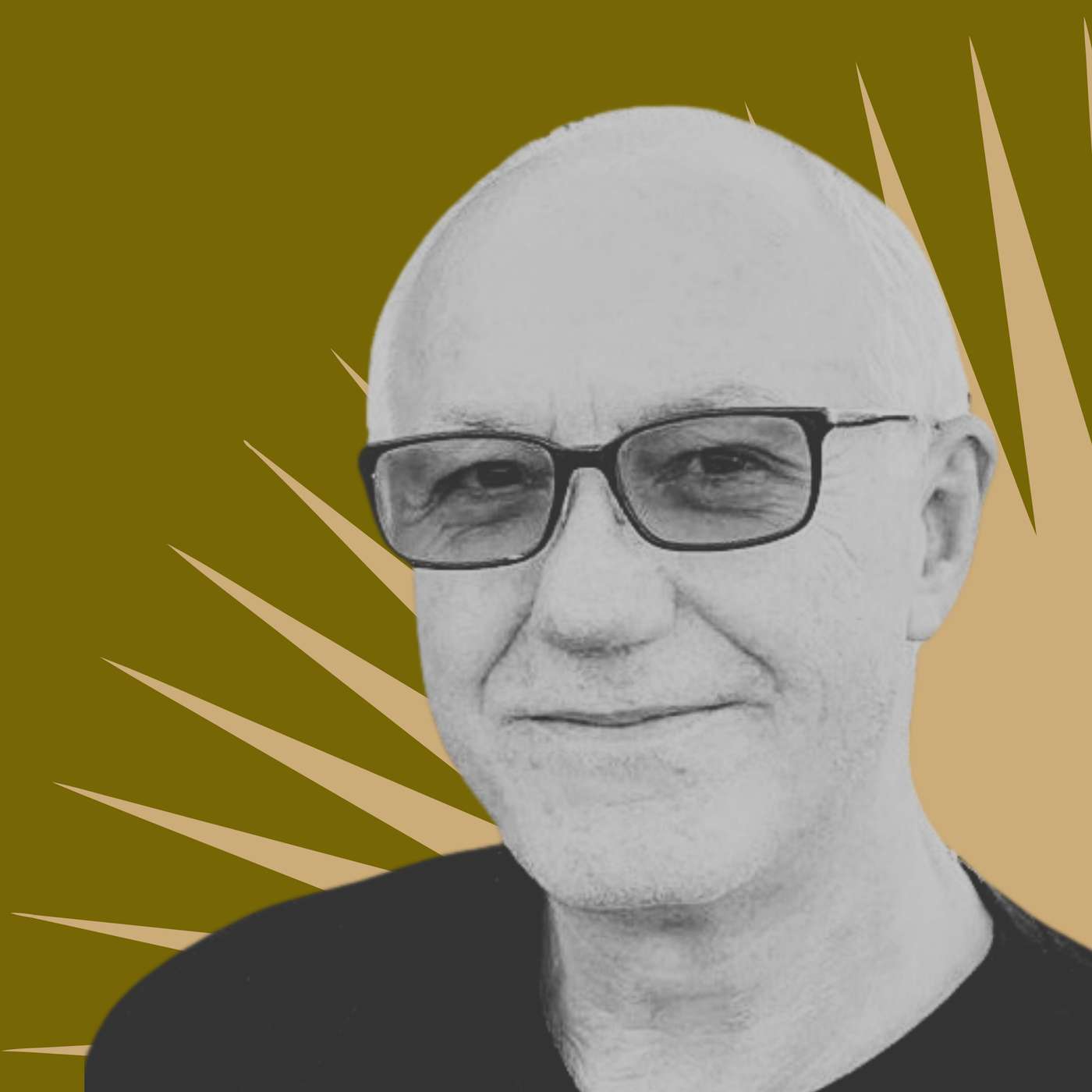
"He's blundered here. He's trying to set policy for the government on the use of AI through a sales contract." — Keith Teare on Dario Amodei
There's only one story this week: Dario Amodei's refusal to let the Department of War use Anthropic's best technology for mass domestic surveillance and fully autonomous weapons. Silicon Valley rallied behind him. The New York Times covered it. Sam Altman publicly supported him—while quietly cutting his own deal with the administration. But Keith Teare thinks Anthropic is wrong.
Keith's argument is simple: vendors don't set policy. If you want to sell to governments, you can't then dictate what they do with your product. That's not your job. And by trying to do it, Amodei has alienated the entire US administration and created a fake battle that can only damage his company. Andrew is more sympathetic. In his view, Amodei is taking a political position against Trump—and in 2026, with Congress marginalized and corporations increasingly powerful, that's just the nature of things.
The debate cuts to something deeper: the power shift between corporations and the state. Oppenheimer couldn't say no to the government because he worked for them. Amodei can say no because he doesn't. These companies now speak to the government as almost equals. Meanwhile, Citruni Research released a white paper predicting AI will collapse the economy and destroy white-collar jobs. Jack Dorsey just cut 40% of Square's workforce. The stock jumped 25%.
Five Takeaways
● Keith: Amodei Has Blundered: Vendors don't determine the use of what you buy from them. By trying to set policy through a sales contract, Amodei has alienated the entire US administration and created a fake battle that can only damage his company. He hasn't read the Art of War.
● Andrew: This Is a Political Stand: Amodei isn't naive—he's taking a position against Trump. And in 2026, with Congress marginalized and corporations increasingly powerful, the fact that he's willing to take the government on publicly is astonishing. He's kept his job. The investors are fine with it.
● The Power Has Shifted: Oppenheimer couldn't say no to the government because he worked for them. Amodei can say no because he doesn't. What Anthropic has at its fingertips is not something the government has. These companies now speak to the government as almost equals.
● Silicon Valley Is Split: Right libertarians are small-government supporters of the administration. Left libertarians are bigger-government supporters of welfare. Vinod Khosla is a hybrid—pro-America militarily, fearful of China. Tim Cook does whatever governments tell him. NVIDIA is navigating best.
● Jack Dorsey Cut 40%—Stock Jumped 25%: Citruni Research released a white paper predicting AI will collapse the economy. Noah Smith called it a scary bedtime story. But Dorsey just did it for real at Square. If AI succeeds, lots of white-collar jobs go. The social contract between capital and labor is breaking.
About the Guest
Keith Teare is a Silicon Valley entrepreneur and publisher of That Was The Week, a weekly tech newsletter. He is a co-founder of TechCrunch and has been a fixture in Silicon Valley for decades.
References
This week's reading:
● Ezra Klein's interview with Jack Clark — Andrew calls it the interview of the week.
● Citruni Research white paper — The AI jobs apocalypse scenario that crashed the software market on Monday.
● Noah Smith's response — Calls the Citruni report a "scary bedtime story."
Previous Keen On episodes mentioned:
● Maya Kornberg on Congress being "Stuck" (Episode 2815)
● Arne Westad on pre-WWI parallels (upcoming)
About Keen On America
Nobody asks more awkward questions than the Anglo-American writer and filmmaker Andrew Keen. In Keen On America, Andrew brings his pointed Transatlantic wit to making sense of the United States—hosting daily interviews about the history and future of this now venerable Republic. With nearly 2,800 episodes since the show launched on TechCrunch in 2010, Keen On America is the most prolific intellectual interview show in the history of podcasting.
Website
Substack
YouTube
Apple Podcasts
Spotify
Chapters: