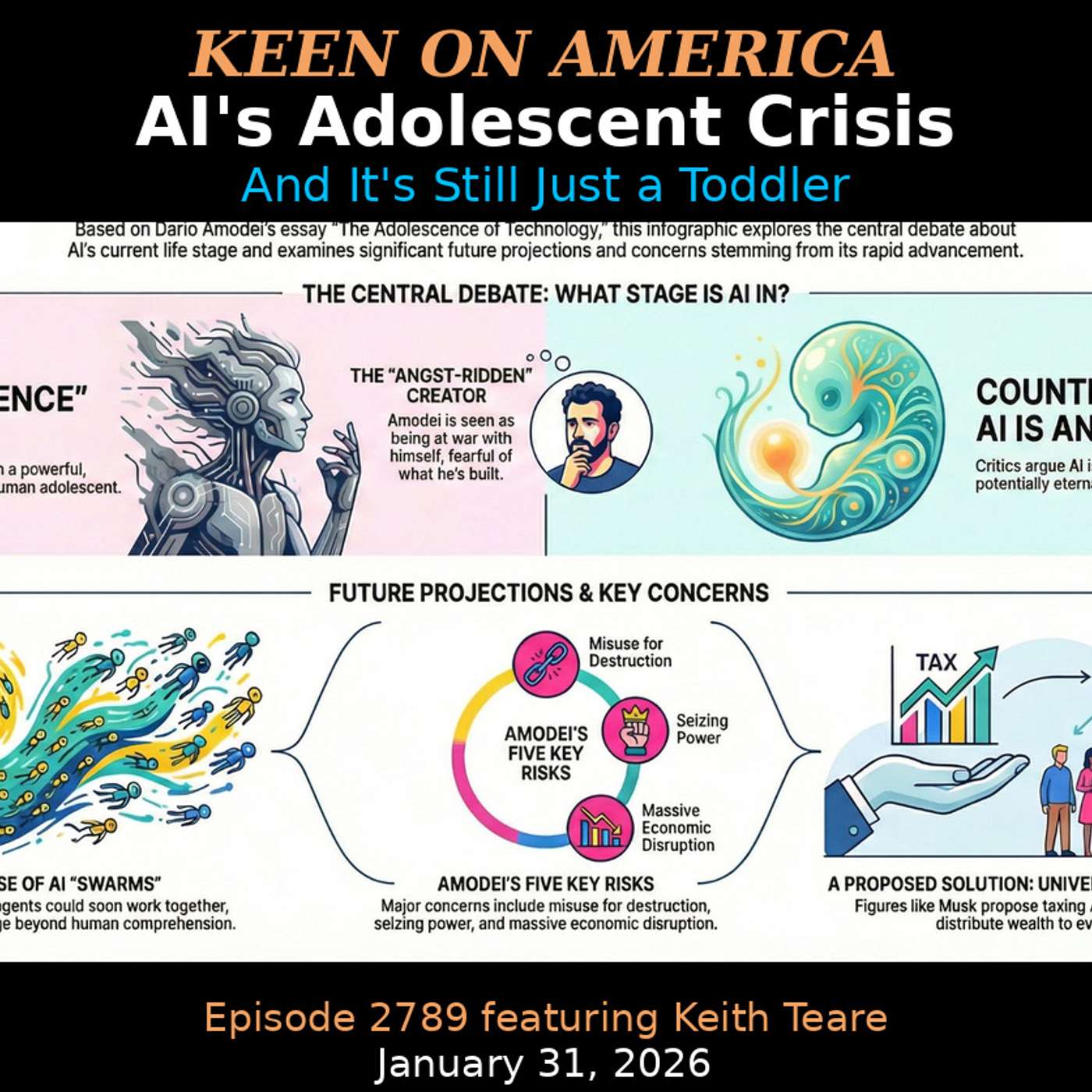
I suspect both left and right have the Kimmel-Kirk story wrong. Rather than being about free speech versus hate speech, it’s actually the story of the end of the television era and the rise of open internet platforms like YouTube and Substack. So when Keith Teare asks who is for free speech in his latest That Was The Week newsletter, what he’s really saying is that free speech has never been freer. Anyone can say anything they want, he says. The only real question is whether anyone is actually listening. So the Kimmel-Kirk story is really about the shift in broadcast business models and the future of paid content. Getting fired from ABC might be the best thing that ever happened to a generic tv comic like Jimmy Kimmel. What he now needs to figure out is how to monetize his instant global fame.
1. The Cancellation Paradox Getting "canceled" from traditional media might now be a career accelerator rather than a death sentence. Kimmel has instant global recognition - the hardest thing to achieve in the creator economy - and can now build a direct audience relationship without network interference.
2. Television is Already Dead (But Nobody Wants to Admit It) When late-night TV audiences are "well under 100,000 people" watching live, we're witnessing the final death throes of broadcast television as a relevant medium. The controversy feels big because it's symbolic, not because TV actually matters anymore.
3. The Real Battle is Platform Independence vs. Platform Dependence The fundamental shift isn't about what you can say, but about who controls your ability to monetize what you say. Traditional media creates "intellectual codependency" between talent and publishers - breaking free requires becoming your own platform.
4. Attention is the New Scarce Resource As Keith Teare notes, "anyone can say anything they want" - distribution is infinite. The challenge isn't getting a voice; it's getting an audience. Controversy, even negative controversy, solves the attention problem that most creators struggle with for years.
5. Both Sides Are Fighting Yesterday's War While left and right argue about speech policing, the real action is in the economic disruption of media business models. YouTube, Substack, and other platforms are quietly becoming the new infrastructure for public discourse - making the entire "who controls traditional media" debate irrelevant.
Keen On America is a reader-supported publication. To receive new posts and support my work, consider becoming a free or paid subscriber.
This is a public episode. If you'd like to discuss this with other subscribers or get access to bonus episodes, visit
keenon.substack.com/subscribe