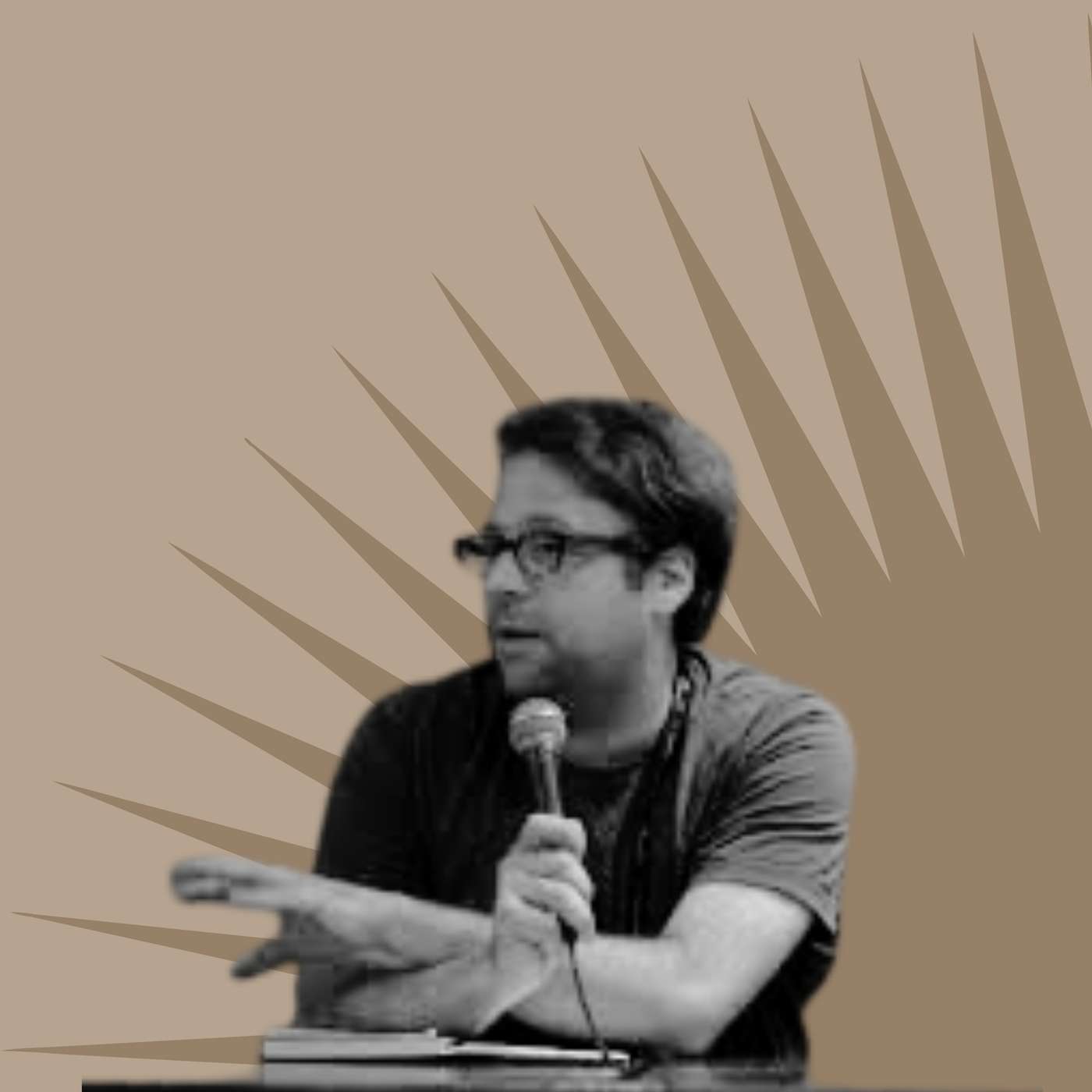
"We didn't have to grow up with that." — Ross Greene, on school shootings
One of the most persistent worries these days is that our kids aren't okay. With most of the blame, of course, now being placed on the ubiquity of social media. But psychologist Ross W. Greene, author of the bestselling Lost at School, has a new book out today called The Kids Who Aren't Okay which doesn't place all the blame on social media. Indeed he argues that if we focus only on the internet, we'll fail to understand the broader psychological struggle that many of our kids face today.
It's not that Greene is in total denial about the destructive nature of social media. But none of his leading reasons for today's crisis in schools are associated with technology. His top three:
● School shootings
● High-stakes testing
● Zero-tolerance policies with a focus on punishment rather than empathy
The new book, Greene impishly promises, has things in it that will offend just about anybody on both the left and right. He calls out teacher unions for failing to support legislation against restraints and seclusions—pinning kids to the ground, dragging them to locked rooms. And he criticizes both parties for bipartisan policies that have made it harder for educators to educate.
The definition of good teaching, Greene insists, is meeting every kid where they're at. Standard testing is exactly the opposite. If you try to treat everybody exactly the same, he warns, you will meet nobody where they're at. We need to get busy teaching kids how to collaborate on solving problems, he says—otherwise they'll turn out like us—only worse.
Five Takeaways
● Social Media Isn't in the Top Three: Greene's top factors making it harder to be a kid: school shootings, high-stakes testing, and zero-tolerance policies. If we focus only on social media, he says, we'll miss the rest of the picture.
● We're Still Pinning Kids to the Ground: Schools still use restraints and seclusions—pinning kids down, dragging them to locked rooms. Legislation has been available since 2011. The two largest teacher unions have yet to support it.
● High-Stakes Testing Is the Opposite of Good Teaching: Good teaching means meeting every kid where they're at. Telling every kid they have to get over the same bar by the end of the school year is exactly not what the doctor ordered.
● Fairness Means Treating Every Kid Differently: If you try to treat everybody exactly the same, you will meet nobody where they're at. Meeting each kid where they are isn't unfair to the rest—it's fair to everyone.
● This Book Will Offend Just About Anybody: Greene calls out both political parties, teacher unions, and policies on both sides of the aisle. Somebody's got to wade in, he says. Somebody's got to call it.
About the Guest
Ross W. Greene, PhD is the author of Lost at School and The Explosive Child. He is the founder of the nonprofit Lives in the Balance and the inventor of the Collaborative and Proactive Solutions approach. He has worked with nearly 3,000 kids and their caregivers.
References
Books mentioned:
● The Kids Who Aren't Okay by Ross W. Greene — his new book on reimagining support, belonging, and hope in schools.
● Lost at School by Ross W. Greene — his bestselling earlier work on kids with behavioral challenges.
About Keen On America
Nobody asks more awkward questions than the Anglo-American writer and filmmaker Andrew Keen. In Keen On America, Andrew brings his pointed Transatlantic wit to making sense of the United States—hosting daily interviews about the history and future of this now venerable Republic. With nearly 2,800 episodes since the show launched on TechCrunch in 2010, Keen On America is the most prolific intellectual interview show in the history of podcasting.
Website
Substack
YouTube
Apple Podcasts
Spotify
Chapters:
- (00:00) - Introduction: The kids who aren't okay
- (01:17) - Are most kids struggling?
- (02:51) - Top three factors: Not social media
- (04:11) - Is this an American problem?
- (05:15) - Distrust of authorities—even PhDs
- (06:47) - Which kids are struggling most?
- (08:04) - Where's the cultural rebellion?
- (09:55) - Helicopter parenting
- (11:34) - Wading into the culture wars
- (13:00) - Restraints and seclusions: We're still pinning kids down
- (15:10) - Were schools always this punitive?
- (17:23) - Why teachers are underpaid and leaving
- (18:57) - Public vs. private schools
- (19:59) - Is this about money?
- (21:07) - Every kid is different
- (24:06) - The problem with 'fairness'
- (26:27) - Medication: Not black and white
- (28:34) - Social media: Correlational, not causal
- (31:54) - What happens to kids who aren't okay?