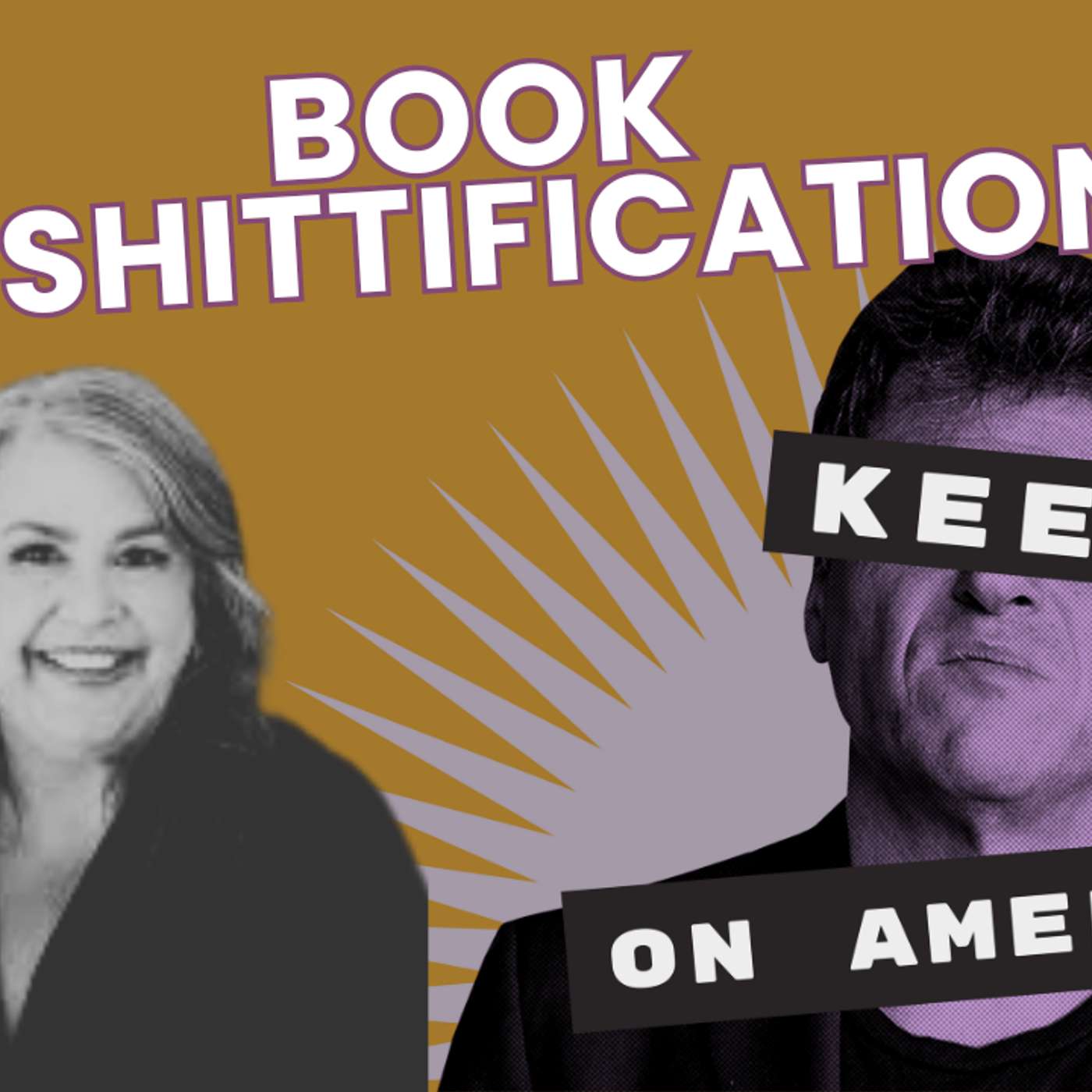
“When you use humor to degrade people, you can get away with it—but you’re also doing something that’s completely devastating.” — Rhae Lynn Barnes
Donald Trump’s recent retweet of Barack and Michelle Obama depicted as apes was dismissed by his supporters as “just a joke”—another example, they claimed, of liberals lacking a sense of humor. But Princeton historian Rhae Lynn Barnes argues that this kind of “humor” is anything but innocent. It draws on a centuries-long white supremacist tradition of dehumanization—one that stretches back to the origins of American mass entertainment itself.
In her book, Darkology: Blackface and the American Way of Entertainment, Barnes traces how Blackface minstrelsy became the quintessential American cultural form—America’s first great entertainment export—shaping music, comedy, performance, and politics from the 19th century through the 20th. Barnes explains how P.T. Barnum helped popularize the grotesque “scientific” spectacle of Black people as the missing link in evolution, and how the Barnum model of hoax-driven mass media foreshadows Trump’s own relationship with controversy, “fake news,” and attention.
Barnes argues that Blackface wasn’t merely a fringe theatrical practice. It was normalized—then institutionalized—through schools, churches, civic clubs, and even the federal government. The result was an intergenerational system for teaching white supremacy through catchy songs, jokes, and seemingly harmless performance.
For Barnes, the most important chapter of the Darkology story is the Black resistance minstrelsy triggered—from Frederick Douglass’s campaign of dignified self-representation to NAACP organizers and Black veterans who fought to remove minstrel shows from schools and public life. Rather than anti-American, Barnes insists that confronting this censored cultural history is the patriotic duty of all Americans. That’s America’s defining story, she says. The pursuit of freedom—and the ongoing struggle to live up to it.
Five Takeaways
1. Racist Humor Has Deep Roots: What gets dismissed today as “just a joke” belongs to a centuries-old tradition of dehumanizing caricature that masked cruelty as entertainment.
1. Blackface Was America’s Cultural Foundation: Minstrelsy shaped American comedy, music, performance—and even political campaigning. It was the quintessential American entertainment form.
1. Barnum Invented the Spectacle Model: Hoax-driven media sensation fused with racial pseudo-science and spectacle long before modern political showmanship adopted the formula.
1. White Supremacy Was Taught as Fun: Catchy songs, simple dances, and comic routines created an intergenerational system of racial socialization embedded in schools, churches, and civic clubs.
1. Patriotism Requires Historical Honesty: Confronting this censored past strengthens democracy. America’s defining story is the pursuit of freedom—not the denial of injustice.
About the Guest
Rhae Lynn Barnes is a historian and professor at Princeton University. She is the author of Darkology: Blackface and the American Way of Entertainment.
References
Previous Keen On episodes mentioned:
1. None
About Keen On America
Nobody asks more awkward questions than the Anglo-American writer and filmmaker Andrew Keen. In Keen On America, Andrew brings his pointed Transatlantic wit to making sense of the United States—hosting daily interviews about the history and future of this now venerable Republic. With nearly 2,800 episodes since the show launched on TechCrunch in 2010, Keen On America is the most prolific intellectual interview show in the history of podcasting.
Website
Substack
YouTube
Apple Podcasts
Spotify
Chapters:
- (00:00) - Introduction
- (00:25) - Trump, race, and “just a joke”
- (01:31) - The long history behind the meme
- (02:30) - P.T. Barnum and the “What Is It?”
- (03:41) - Barnum, hoaxes, and Trump’s media instinct
- (05:39) - Blackface as America’s signature entertainment
- (07:34) - When “minstrelsy” goes mainstream
- (09:50) - Black responses: Douglass to Ragtime
- (12:28) - Veterans, schools, and the NAACP fightback
- (17:54) - Presidents, power, and “Whiteology”
- (19:50) - Humor as an intergenerational weapon
- (21:20) - Immigration and learning “whiteness”
- (22:30) - Is American history defined by white supremacy?
- (24:00) - The pursuit of freedom—and confronting the past
- (28:18) - Why this history still matters now
- (31:11) - Gerald Ford and the politics of Blackface
- (32:56) - Closing thoughts and goodbye