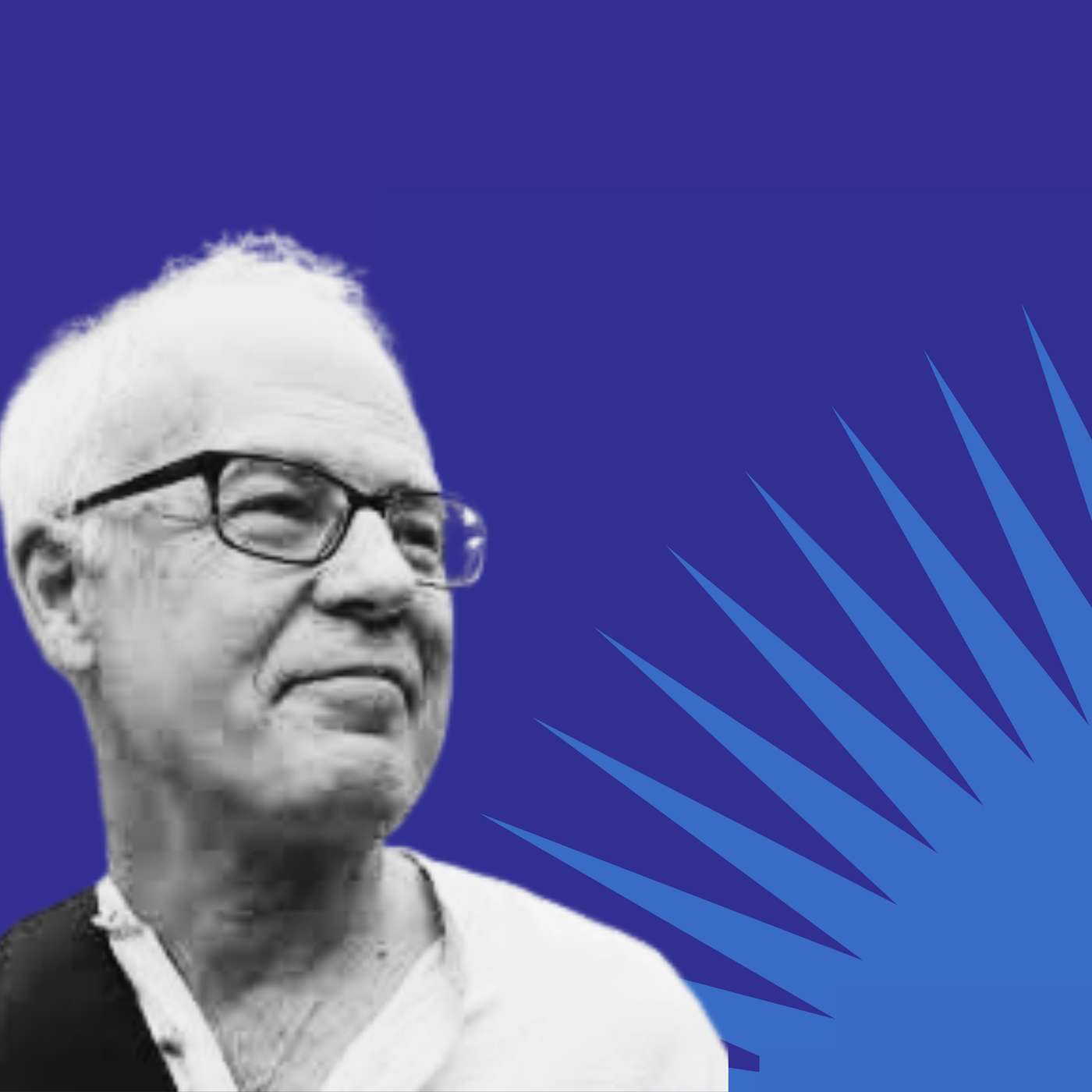
So I get why Jeff Bezos isn’t popular in Venice this week. But why would Africans in general, and Kenyans in particular, not love Bill Gates after the philanthropist pledged to give away $200 billion of his fortune to Africa? According to Tablet staff writer, Armin Rosen, it’s because Gates’ top-down, metrics-driven approach often ignores what Africans actually want. Drawing from extensive on-the-ground reporting in Kenya, Rosen highlights how Gates' Alliance for a Green Revolution in Africa pushed unwanted agricultural technologies onto Kenyan farmers, while his foundation received controversial diplomatic immunity from Kenya's unpopular President Ruto. Though acknowledging Gates' successes in vaccination programs, Rosen questions whether billionaire-led development truly helps or undermines local agency and democratic governance. Maybe Gates should, instead, pledge his billions to Venice to enable the sinking city to outlaw tasteless American celebrity marriages.
1. Gates' philanthropy often imposes unwanted solutions on Africans Rosen argues that Gates consistently brings his own technological fixes to problems without consulting the people he claims to help, particularly through initiatives like the Alliance for a Green Revolution in Africa.
KEY QUOTE: "So a lot of his philanthropy either sort of goes towards bringing his own solutions to these places or his money is spent in such a way that there isn't a lot of consultation with the people that he's actually trying to help."
2. The Gates Foundation operates with government-scale power and spending With massive operational costs and diplomatic immunity, the foundation wields influence comparable to state actors, raising questions about accountability and democratic oversight.
KEY QUOTE: "The Gates Foundation spends something like $140 million a year just on travel expenses... They have the same scale as a government agency."
3. Gates has become deeply unpopular in Kenya due to political associations His close relationship with Kenya's controversial President Ruto has damaged his reputation among Kenyans who already distrust their government and foreign interference.
KEY QUOTE: "At the moment, Bill Gates is not a very popular person in Kenya. And the reason for his bad name is the trust deficit with the government."
4. Diplomatic immunity controversy reveals troubling governance patterns The secretive granting of legal immunity to the Gates Foundation, announced after deadly protests against the government, exemplified the lack of transparency that fuels public mistrust.
KEY QUOTE: "The Gates Foundation had gotten full diplomatic immunity from the Kenyan government... it was relatively unusual in Kenya for any non-governmental organization to get that kind of legal protection."
5. Local innovation often outperforms foreign philanthropy African societies frequently develop their own solutions more effectively than external interventions, as demonstrated by Kenya's creation of mobile money systems that became global models.
KEY QUOTE: "It turns out that these societies can kind of solve their problems on their own... Kenya is where basically mobile money began, you know, and M-Pesa is a Kenyan invention."
At least Gates isn't spending $200 billion on gross Venetian weddings. Despite all Rosen’s valid criticisms of Gates' African interventions, I think we should still prefer billionaires who try (however imperfectly) to solve global problems over those buying massive yachts and throwing obscenely expensive parties. Armchair philanthropy criticism is easier than solutions.
Keen On America is a reader-supported publication. To receive new posts and support my work, consider becoming a free or paid subscriber.
This is a public episode. If you'd like to discuss this with other subscribers or get access to bonus episodes, visit
keenon.substack.com/subscribe