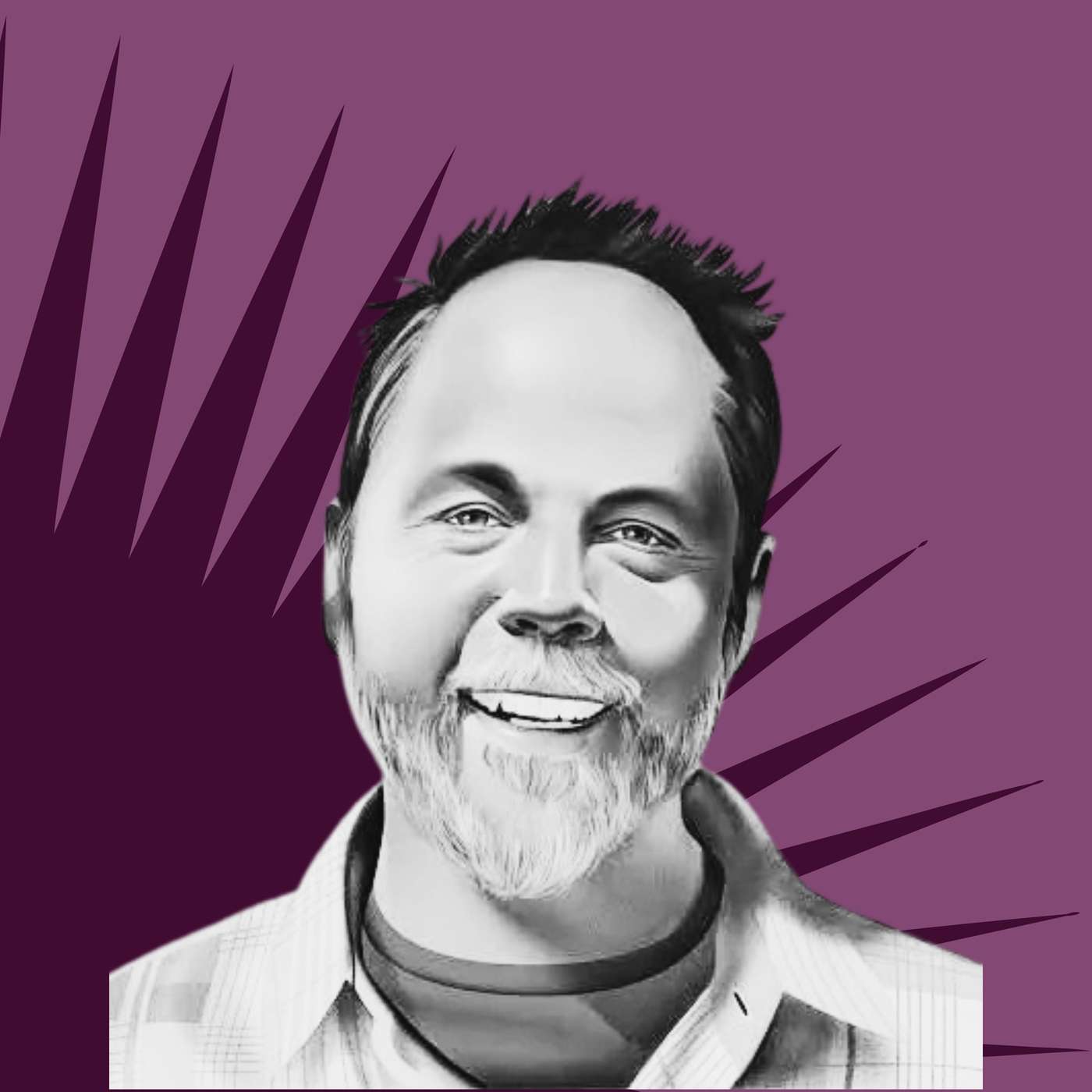
Back in 1990, a Silicon Valley entrepreneur called Jim Fruchterman chose purpose over profit. In his new book, Technology for Good, Fruchterman explains how nonprofit leaders like him are using software and data to solve our most pressing social problems. Thirty five years ago, when his investors vetoed a reading machine for the blind because the market was only $1 million annually, Fruchterman walked away from his $25 million-funded AI company to start his first nonprofit. Today, he’s still on the front line of the battle to show that technology’s greatest potential lies not in making billionaires richer, but in serving the 90% of humanity that big tech conveniently ignores.
1. When profit and purpose clash, profit usually wins Fruchterman argues that when companies face a choice between social good and making money, they “pretty much always pick making more.” His own experience—investors vetoing a reading machine for the blind despite having the technology ready—exemplifies this. Even OpenAI, which started with a nonprofit mission, ultimately flipped to prioritize profit when Sam Altman was briefly fired then reinstated.
2. The nonprofit sector is 15 years behind in technology adoption While companies like Uber and banks have essentially become software companies, most nonprofits are still operating with outdated technology. This creates what Fruchterman calls a “target-rich environment” for improvement—nonprofits don’t need cutting-edge AI to transform their operations, just the basic data and software tools that for-profit businesses mastered years ago.
3. Effective altruism has gone “out of control” Some philanthropists focus so narrowly on measurable impact that they dismiss causes like women’s rights or education as “immoral” investments compared to deworming programs. Fruchterman advocates for diversity in philanthropic approaches, arguing that the complexity of global problems requires varied solutions, not just those with the cleanest metrics.
4. U.S. foreign aid primarily benefits Americans Contrary to isolationist arguments, 80% of U.S. foreign aid money goes to American staff and American products. Cutting aid doesn’t help American farmers—it just leaves their grain piling up in silos. Fruchterman sees nonprofit work as “market development capital for the capitalist system,” turning aid recipients into future customers.
5. Mental health represents AI’s most promising social application Within five years, Fruchterman believes AI could revolutionize mental health support—not because the technology is revolutionary, but because “we’ll never have enough people to help solve our mental health issues.” While big tech’s algorithms have exacerbated mental health problems for profit, the same tools could be redesigned to provide accessible support at scale.
Keen On America is a reader-supported publication. To receive new posts and support my work, consider becoming a free or paid subscriber.
This is a public episode. If you'd like to discuss this with other subscribers or get access to bonus episodes, visit
keenon.substack.com/subscribe