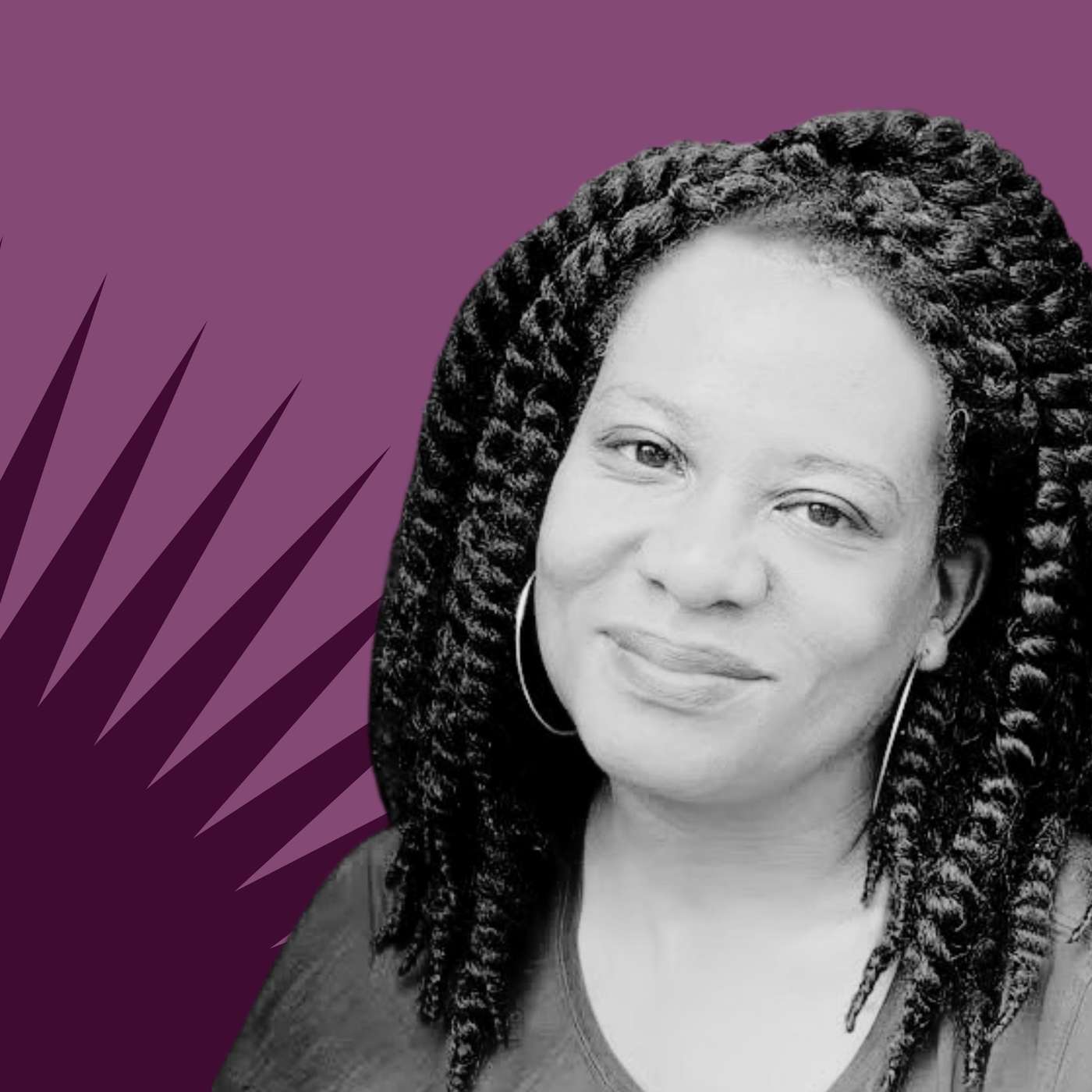
Are Donald Trump and Steven Miller terrorists? Pakistani-American lawyer and author Rafia Zakaria argues that their willfully cruel immigration policies reflect what she describes as an "architecture of terror." In her June Liberties Quarterly piece "Silencings", Zakaria argues that these policies represent a deliberate strategy to terrorize communities and systematically dismantle the American democratic public sphere. Drawing on her experience both in practicing immigration law and as a naturalized American citizen, she connects domestic enforcement tactics to broader patterns of dehumanization affecting brown people globally—from detention centers in California to the US/Israeli bombing campaigns of Iran to what she dubs the “historical shame” of orchestrated mass starvation in Gaza.
5 key takeaways and quotes
1. Immigration Enforcement as Deliberate Terrorism Zakaria argues that the Trump administration's immigration policies are intentionally designed to terrorize entire communities, not just target individuals for deportation. The strategy involves detaining people without legal basis, forcing them into expensive legal battles, then releasing them after causing maximum pain.
KEY QUOTE: "It's kind of a terrorist act on the part of the Trump administration, which knows that eventually they'll have to release the people, but why not cause them as much pain and harassment as possible in the meantime."
2. Legal System Double Standard The administration manipulates public perception by calling immigration violators "criminals" in public discourse while simultaneously denying them the constitutional protections afforded to actual criminals in court proceedings.
KEY QUOTE: "You can't have it both ways, where in the public realm, you're calling them criminals, but in court you're saying, oh no, no, this is a civil matter, this is a civil matter."
3. Systematic Silencing of Public Sphere Even naturalized citizens and legal residents are being chilled from speaking out due to fear of legal and financial harassment, effectively destroying the independent public sphere that serves as a democratic check on state power.
KEY QUOTE: "I have to really kind of talk to myself a lot before I give an interview like this, because I'm a naturalized citizen."
4. Connected Dehumanization Campaign Zakaria sees the domestic immigration crackdown and military actions abroad as part of the same broader strategy of systematically dehumanizing brown people, whether they're "invaders" at the border or targets of bombing campaigns.
KEY QUOTE: "This is the systematic demonization and dehumanization of brown people."
5. Gaza as Historical Moral Failure She believes the world's inaction on Gaza will be viewed by future historians as a moral failure comparable to other historical atrocities, where people knew genocide was happening but did nothing to stop it.
KEY QUOTE: "I think this will be the world's shame."
Keen On America is a reader-supported publication. To receive new posts and support my work, consider becoming a free or paid subscriber.
This is a public episode. If you'd like to discuss this with other subscribers or get access to bonus episodes, visit
keenon.substack.com/subscribe