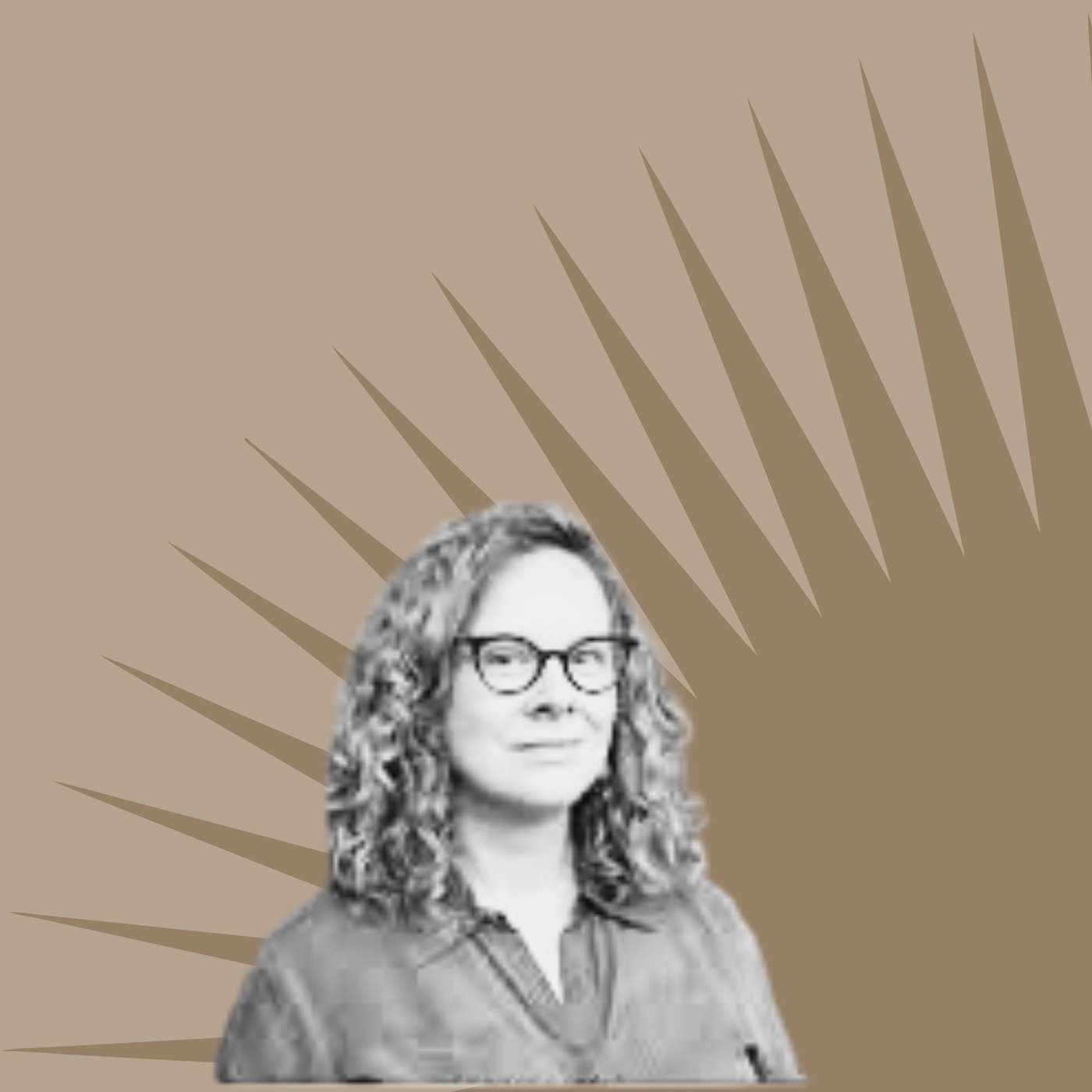
“If we let things continue in the direction that they are taking now, I think it is more likely than not that we will end up in some kind of Great Power war within the foreseeable future.” — Arne Westad
This conversation was recorded before the invasion of Iran, which makes what you are about to hear even more chilling. In his new book, The Coming Storm: Power, Conflict, and Warnings from History, Yale historian Arne Westad warns that the structural parallels between our multipolar 2020s and the world before the First World War are too striking to ignore—and he names the Middle East as one of the flashpoints that could spark a much broader conflagration.
Westad argues that the structural parallels between our multipolar 2020s and the world before the First World War are “striking.” A dominant power (USA) withdrawing from the international system it created. Rising inequality and globalization backlash. New technologies that speed up time and shrink the window for decision-making. A rising Great Power—China—that, like Wilhelmine Germany, simply cannot stop growing. And a declining empire—Russia—that, like Austria-Hungary, has quarrels on every border and an alliance with the rising power next door.
The cast of characters, Westad warns, is also uncomfortably familiar. Trump is Joseph Chamberlain—the British conservative who turned his party against the free trade system it had championed. Putin’s Russia is Austria-Hungary: an empire in long-term decline that acted in 1914 because it believed Germany would back it up. And nuclear weapons? Before 1914, people wrote long books about how new military technologies made war unthinkable. We are taking refuge in that same bad logic today.
The difference, Westad insists, is that we know how 1914 ended. We have international institutions built to prevent it. And we still have time—but not much, he warns—to forge the kind of Great Power compromise that could pull us back from the brink. Whether we will is another question entirely. Especially given our current historical amnesia. So might Archduke Ferdinand be Ayatollah Ali Khamenei this time around? Stay tuned. It’s squeaky bum time once again in world history.
Five Takeaways
• We’re Living in a Pre-1914 Moment: A multipolar world. Rising inequality. Globalization backlash. New technologies that speed up time and reduce the window for decision-making. A dominant power withdrawing from the international system it created. The structural parallels between the early 20th century and the 2020s are, in Westad’s word, “striking.”
• China Is the New Germany: A rapidly rising Great Power that can’t stop growing, generating dissonance in an established international system. As the British told the Germans: “If you could just stop growing, little Hans, all would be fine and dandy.” That’s exactly what China cannot do. And it takes two to tango on compromise.
• Russia Is the New Austria-Hungary: An empire in long-term decline with quarrels on every border, allied to the most rapidly rising Great Power next to it. Austria acted in 1914 because they believed Germany would back them up. The parallel to the China-Russia relationship today is uncomfortably close.
• Trump Is Joseph Chamberlain: The British conservative who turned his party against the free trade system it had championed. Chamberlain never made it to prime minister, but he came close and reshaped his party in ways no one foresaw—exactly what Trump has done to the Republicans.
• Nuclear Weapons May Not Save Us: Before 1914, people wrote long books about how new military technologies—poison gas, battleships, aerial bombardment—made war unthinkable. We are taking refuge in the same logic today. Westad is not so sure the deterrent fully holds anymore.
About the Guest
Odd Arne Westad is the Elihu Professor of History and Global Affairs at Yale University. He is the author of The Coming Storm: Power, Conflict, and Warnings from History as well as The Cold War: A World History, The Global Cold War (winner of the Bancroft Prize), and Restless Empire (winner of the Asia Society Book Award).
References
Books and authors mentioned:
• Christopher Clark, The Sleepwalkers, on how Europe stumbled into the First World War (previous Keen On guest)
• Philipp Blom, The Vertigo Years: Europe 1900–1914, on technology and cultural disruption before the war
• Paul Kennedy, on the rise of British-German antagonism and Great Power rivalry
• Margaret Atwood, The Handmaid’s Tale (referenced in the Sutton episode the previous day)
About Keen On America
Nobody asks more awkward questions than the Anglo-American writer and filmmaker Andrew Keen. In Keen On America, Andrew brings his pointed Transatlantic wit to making sense of the United States—hosting daily interviews about the history and future of this now venerable Republic. With nearly 2,800 episodes since the show launched on TechCrunch in 2010, Keen On America is the most prolific intellectual interview show in the history of podcasting.
Website
Substack
YouTube
Apple Podcasts
Spotify
Chapters: