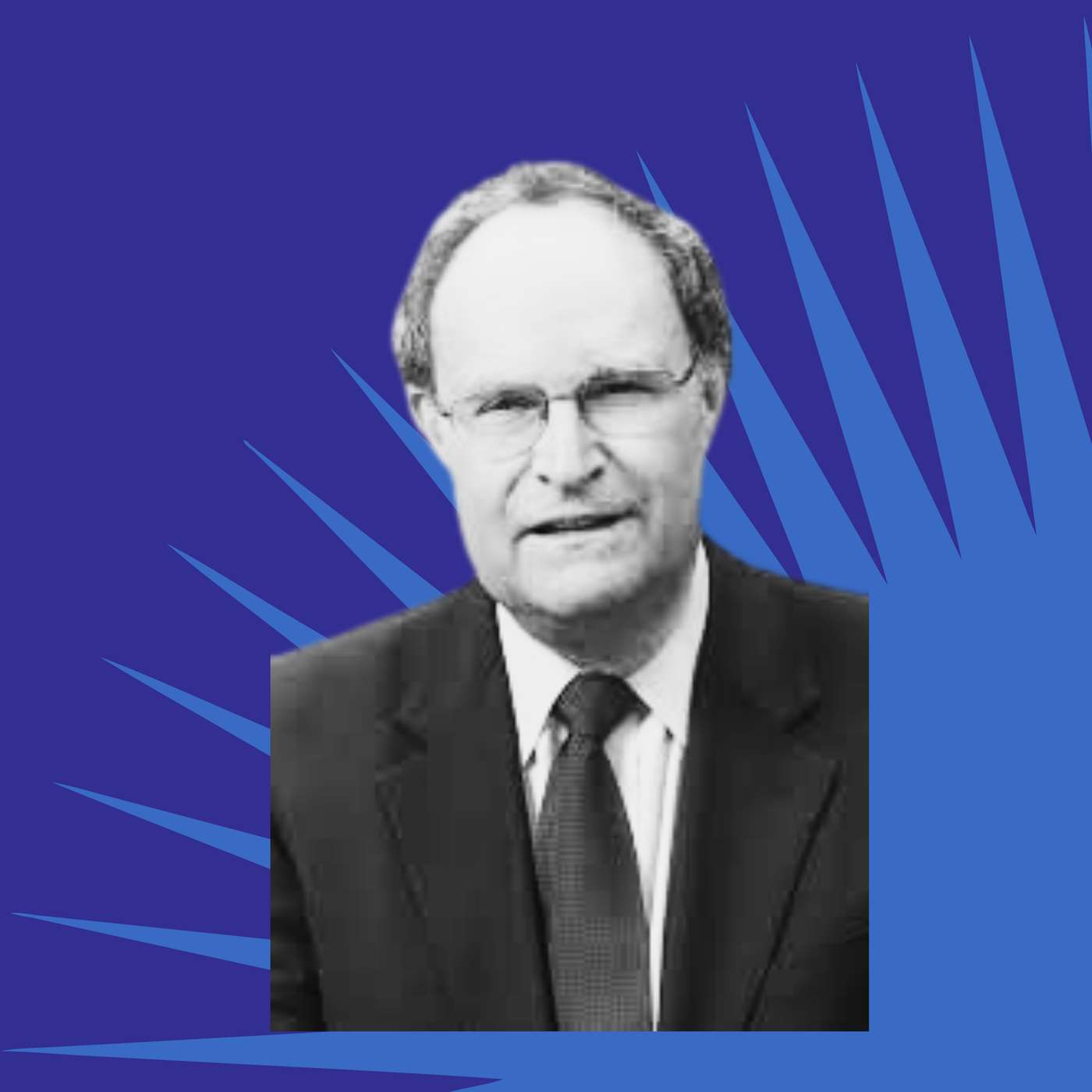
Dumb globalization: America’s worst bet. That, at least, is the view of the Washington Post financial writer David J Lynch and author of The World’s Worst Bet. From Clinton to Bush, Lynch argues, America has bet stupidly on globalization and, not surprisingly, has lost. It’s no coincidence, he suggests, that the American dream has also unraveled in this tumultuous period. While globalization lifted billions from poverty worldwide and enriched coastal elites, Lynch contends that America's failure to help displaced manufacturing workers created the resentment that ultimately put Trump in the White House. The promised assistance to globalization's losers never materialized, leaving entire communities devastated by both catastrophic job losses and the equal catastrophe to tens of million Americans of the 2008 financial crisis.
So what to do? Lynch argues that both Trump's tariffs and Biden's industrial policy are fighting yesterday's battles. Instead, America needs robust labor market policies—wage insurance, place-based economic development, and real safety nets for workers displaced by trade, automation, or AI. The missing piece has always been helping people transition, not futile attempts to resurrect lost manufacturing jobs. Smart globalization: America’s best bet.
1. The Unappreciated Gamble America bet it could reap all of globalization's benefits without addressing its costs. Politicians from Clinton onward promised help for displaced workers that never materialized, while prioritizing balanced budgets, wars, and bank bailouts over struggling communities.
2. The Obama-to-Trump Pipeline is Real Counties that voted for Obama by 59% flipped to Trump by 56%. These voters saw both as outsiders promising change. When "hope and change" failed to deliver, they turned to "Make America Great Again" - two sides of the same anti-establishment coin.
3. We're Going Backwards, Not Forward U.S. tariffs are now at their highest level since the 1930s. Both Trump's tariffs and Biden's industrial policy are fighting yesterday's battles, trying to resurrect manufacturing jobs that economists agree won't return at any reasonable cost.
4. The Financial Crisis Was the Breaking Point The 2008 crash wasn't just another recession - it was the second devastating blow to communities already reeling from job losses. Watching banks get bailed out while losing their homes cemented the perception that the system was rigged.
5. AI Makes This Urgent The next wave of displacement won't hit factory workers - it'll hit the coastal elites. Doctors, lawyers, and knowledge workers face AI disruption, possibly creating the political will for the safety nets America should have built decades ago.
Keen On America is a reader-supported publication. To receive new posts and support my work, consider becoming a free or paid subscriber.
This is a public episode. If you'd like to discuss this with other subscribers or get access to bonus episodes, visit
keenon.substack.com/subscribe