An anti-fascist spy handed American officials evidence of murderous intent from a Nazi planning server — and they declined to act.
About the Guest
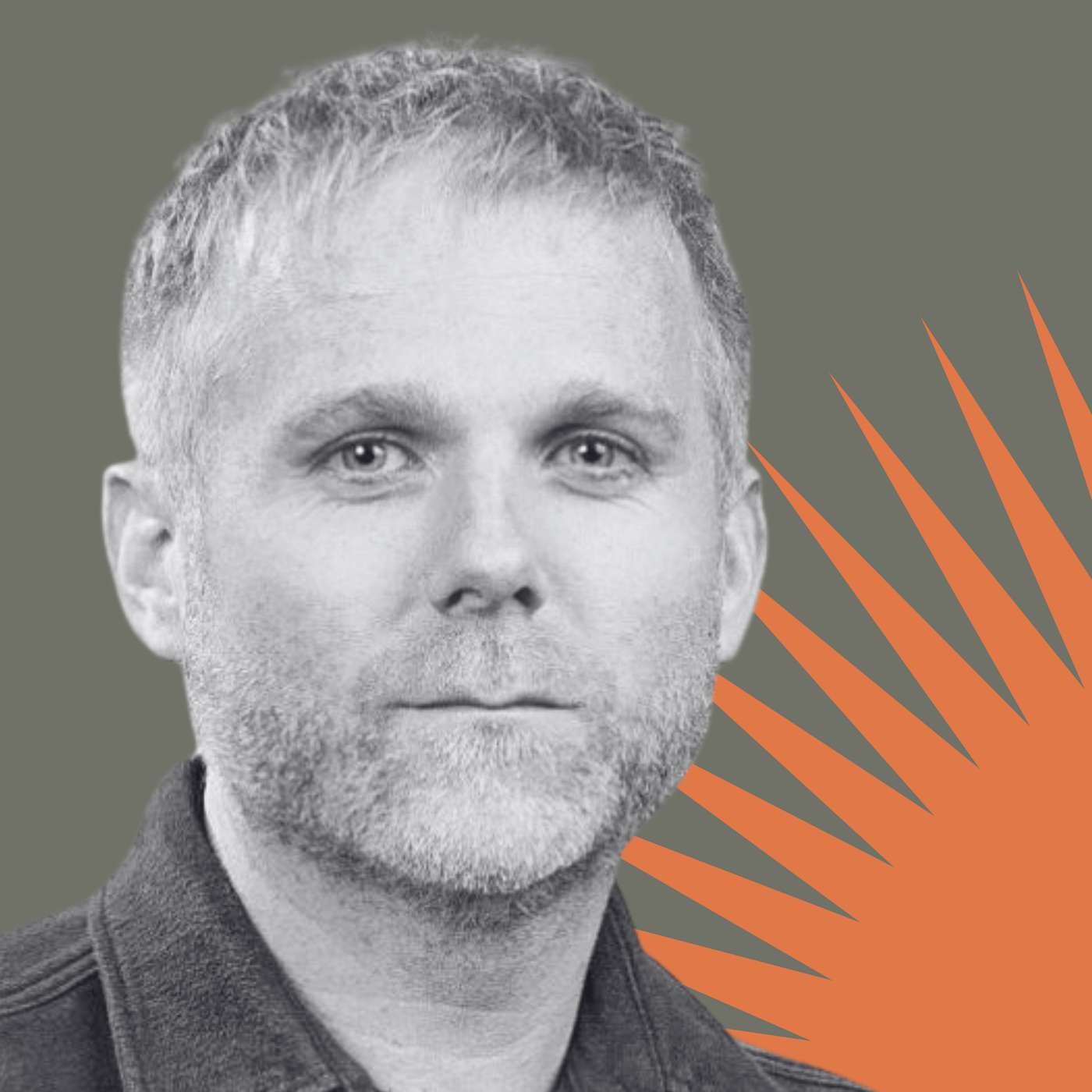
Christopher Mathias is a journalist covering the far right, formerly a senior reporter at HuffPost, with work appearing in The Guardian, The Nation, MSNBC, Zeteo, and WNYC. His reporting has helped unmask white supremacist cops, soldiers, teachers, and politicians, and he was a Deadline Awards finalist for feature writing. He is originally from Gettysburg, Pennsylvania and lives in New York. His new book, To Catch a Fascist: The Fight to Expose the Radical Right (Atria Books), is out now.
About the Episode
Days after Jonathan Rauch’s influential Atlantic essay announced he’d moved from fascism skeptic to fascism believer, Christopher Mathias joins the show to discuss his new book — a deeply reported investigation into the decentralized network of anti-fascist activists who infiltrate, monitor, and expose neo-Nazis and white supremacists operating in positions of power across America.
The conversation quickly moves beyond whether Trump is a fascist to the harder questions his book raises: Who gets to decide who is exposed? What rights to privacy do members of extremist groups retain? Is unmasking community self-defense or vigilantism? And does the same logic that justifies exposing a neo-Nazi EMT extend to the tens of thousands of ICE agents now conducting raids on American streets?
Timeline
00:00 Introduction
Jonathan Rauch’s Atlantic essay and the renewed fascism debate
01:10 Meet Christopher Mathias
Introducing the book and the journalist behind it
01:45 The Greenville Moment
When Mathias first used “fascist” in a headline after watching Trump whip a crowd into chanting “Send her back”
02:40 Defining the F-Word
Fascism as a right-wing politics of domination; Langston Hughes recognizing it in the 1930s before the word arrived
04:15 The Hard Question
If MAGA is a fascist movement, are the 70-plus million who voted for Trump fascists too?
05:55 The Worst of the Worst
Why the book targets explicit neo-Nazis in positions of power, not ordinary Trump supporters
08:15 Who Decides?
Privacy, accountability, and whether everyone at Charlottesville deserves exposure
10:45 Antifascist Amnesty
Leave the movement and we leave you alone; return and we publish
12:30 The Equivalence Trap
Why Mathias rejects the idea that this is just radicals exposing radicals
14:05 From Neo-Nazis to ICE
How anti-fascist tactics are now used to identify masked federal agents
17:15 Where Does It End?
Drawing lines between violent enforcement and bureaucratic participation
19:40 “Just Following Orders”
Why some orders shouldn’t be followed, and the occupation of Minneapolis
21:30 The Battle Over Shame
Competing databases, surveillance, and what America should be ashamed of
23:15 The Spy Who Warned Charlottesville
An infiltrator uncovers plans for violence that officials ignore
26:00 Minneapolis as Model
“We protect us” and a blueprint for grassroots resistance
28:45 The Underground War
Intelligence, counterintelligence, and the personal cost of exposure
30:30 Closing
Fascism as a snake eating its own tail and the urgent task of limiting the damage
Links & References
Mentioned in this episode:
Jonathan Rauch, “Yes, It’s Fascism” — The Atlantic (January 2026)
To Catch a Fascist: The Fight to Expose the Radical Right by Christopher Mathias (Atria Books, February 2026)
Christopher Mathias reporting archive
Follow Christopher Mathias: BlueSky | X
About Keen On America
Nobody asks more impertinent questions than the Anglo-American writer, filmmaker and Silicon Valley entrepreneur Andrew Keen. In Keen On America , Andrew brings his sharp Transatlantic wit to the forces reshaping the United States — hosting daily interviews with leading thinkers
and writers about American history, politics, technology, culture, and business. With nearly 2,800 episodes since the show launched on TechCrunch in 2010, Keen On America is the most prolific intellectual interview show in the history of podcasting.
Website | Substack | YouTube
Website | Substack | YouTube