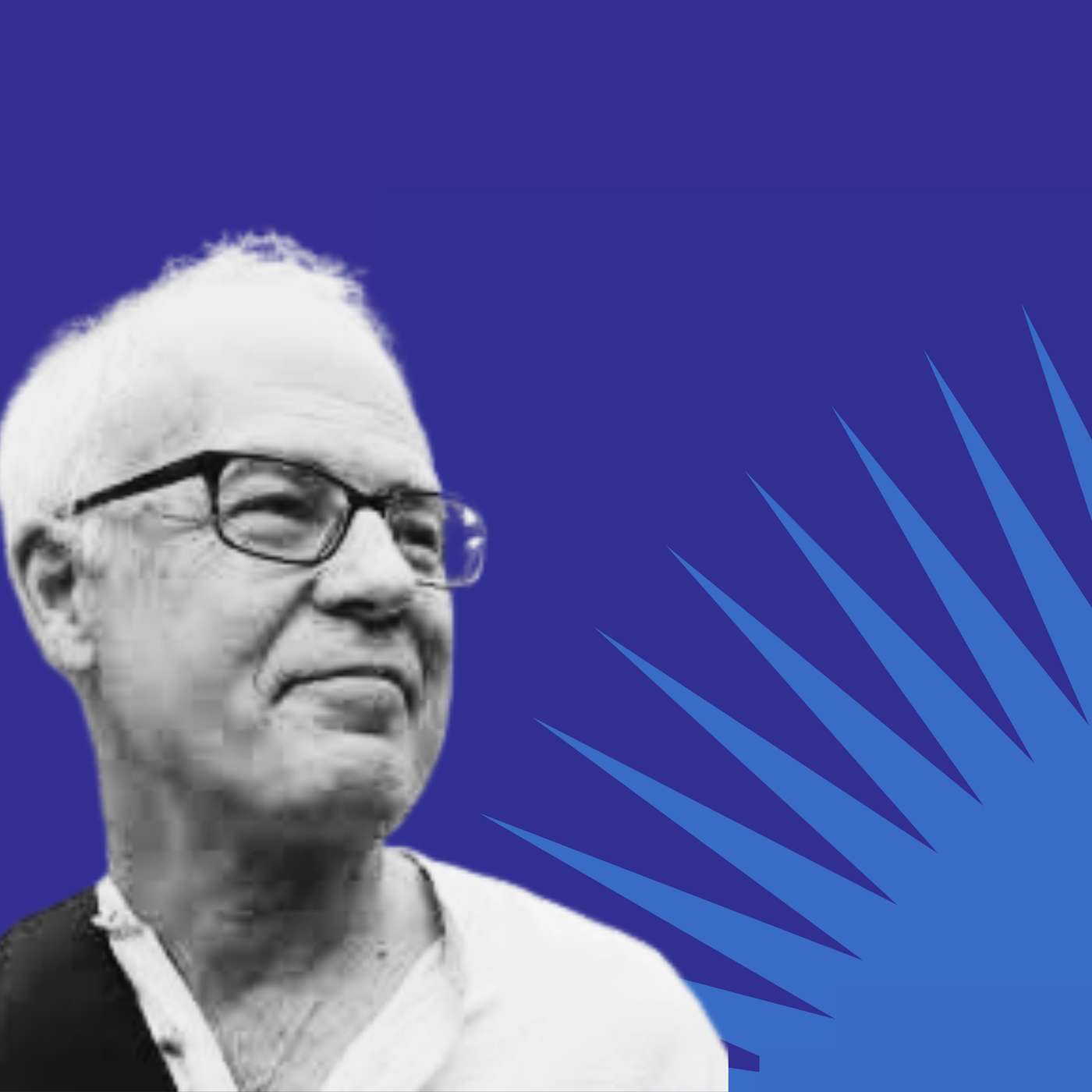
“What Trump is doing is not popular”. For the This Old Democracy podcaster and veteran Democratic activist Micah Sifry, that’s the good news of Trump’s sub-40% approval rate. The bad news, Sifry warns, is that the Dems remained a weak, divided party struggling to counter the MAGA-controlled Republicans. Learning from the campus success of Charlie Kirk, he says, the Democrats need to rediscover what once made them a party of the vibrant counterculture. And that certainly isn’t going to happen if grey functionaries like Schumer and Jeffries retain control of an increasingly gerontocratic party. He favors economic populism over identity politics, arguing that progressives made a “gigantic mistake” by favoring the woke politics of the university over working-class concerns. And so the New York based Sifry is cautiously optimistic about Zohran Mamdani whose primary victory, he is convinced, demonstrated that young voters will turn out for dynamic candidates who offer both generational change and credible ways to address economic anxiety.
1. Trump’s Weakness Creates Democratic Opportunity Sifry argues that Trump’s sub-40% approval rating means 50-60% of Americans are politically available to the opposition. The challenge isn’t Trump’s popularity (he’s not popular) but Democrats’ failure to effectively organize and mobilize this majority.
2. Democrats Must Use Their Leverage or Lose It Rather than capitulating on government funding, Sifry advocates that Chuck Schumer and Senate Democrats should force shutdowns when necessary. Trump backs down when faced with sufficient pushback, as evidenced by his quick reversal on tariffs when markets crashed.
3. Generational Change Is Already Underway Mamdani’s primary victory over Mario Cuomo signals the end of the Biden-Clyburn-Pelosi era. Young voters (under 40) turned out in unprecedented numbers, suggesting the Democratic Party’s old guard has lost touch with a crucial demographic.
4. Economic Populism Beats Identity Politics Sifry admits progressives made a “gigantic mistake” by centering identity hierarchies that marginalized working-class concerns, particularly young men. He advocates for Bernie Sanders-style economic populism that focuses on class and corporate power rather than cultural issues.
5. Charlie Kirk Built What Progressives Lack Despite disagreeing with Kirk politically, Sifry acknowledges he created a successful youth movement through genuine debate, chapter-based organizing, and relationship building. Progressives have no equivalent infrastructure for engaging and converting opponents through sustained conversation and local organizing.
Keen On America is a reader-supported publication. To receive new posts and support my work, consider becoming a free or paid subscriber.
This is a public episode. If you'd like to discuss this with other subscribers or get access to bonus episodes, visit
keenon.substack.com/subscribe