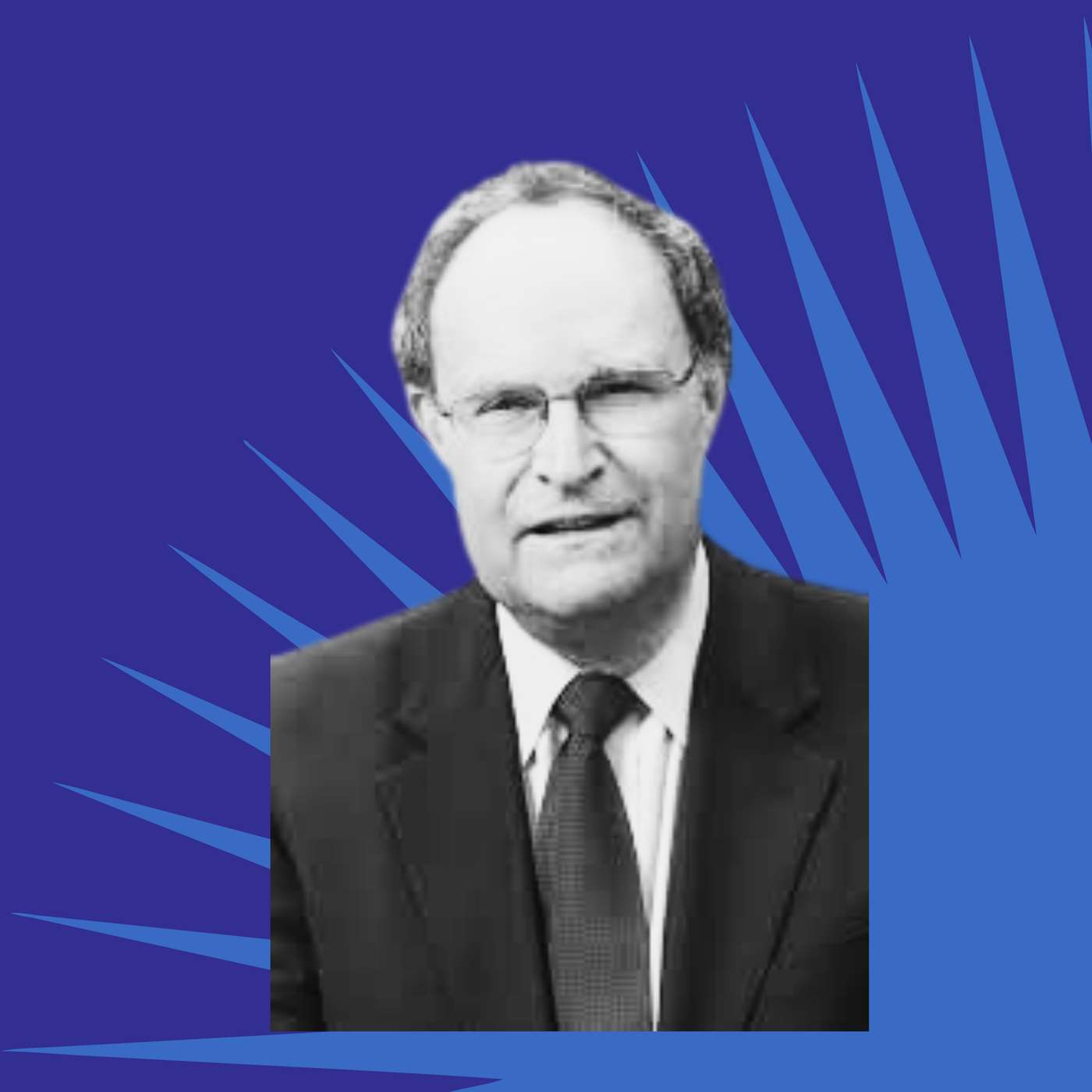
Like it or not, Trump and his surreal version of a libertarian patrimonial America is reshaping the world. At least in what the FT’s Janan Ganesh dubs “the high summer of Donald Trump”. But my old friend Jason Pack, host of the excellent Disorder podcast, doesn’t believe that a strategy of short-term chaos is a viable long-term global strategy for America. Pack argues that while Trump may be achieving tactical wins through short-term disruptions—from ending the Iran-Israel conflict to forcing favorable trade negotiations—this approach fundamentally undermines the strategic international coordination needed to address existential challenges like AI regulation, climate change, and systemic economic and military competition with China. Without coherent global governance structures, Pack predicts, we're sleepwalking into a long-term disordered world where private tech giants wield more power than governments themselves. Trump’s high summer of disorder, he warns, could degenerate into an apocalyptic winter of our collective discontent.
1. Trump's Chaos Is Actually Strategic Success Despite appearing haphazard, Trump has achieved major goals through disorder - ending the Iran-Israel conflict with bunker buster bombs, securing favorable trade deals through tariff threats, and making himself the global "swing player" that everyone must negotiate with.
2. America's Disproportionate Global Leverage The US economy, though only 1.8 times larger than Europe's, wields 5-6 times the global influence. Trump has discovered how to weaponize this asymmetry more ruthlessly than previous presidents, while Europe remains largely irrelevant in AI and tech.
3. Private Tech Giants Now Rival Government Power Multi-trillion dollar companies like OpenAI, Anthropic, and Nvidia are becoming more powerful than governments themselves. The old DARPA model of government-led innovation has given way to private sector dominance, fundamentally reshaping the relationship between state and market.
4. The Missing "NATO for AI" Pack argues we desperately need international coordination structures to govern AI development, data storage, and energy infrastructure. Without treaty-based cooperation among democracies, we're ceding control to either authoritarian regimes or unaccountable private companies.
5. A Crisis May Be Necessary to Restore Government Both analysts suggest that only a major catastrophe - economic crash, environmental disaster, or military conflict - will force people to recognize government's essential role. Until then, we're trapped in "libertarian patrimonialism" where personal networks trump institutional governance.
Keen On America is a reader-supported publication. To receive new posts and support my work, consider becoming a free or paid subscriber.
This is a public episode. If you'd like to discuss this with other subscribers or get access to bonus episodes, visit
keenon.substack.com/subscribe