Do we get the serial killers & heroes we deserve? The always generous literary critic Bethanne Patrick uses five new non-fiction books to respond to this rather absurd question. From French women resisting Nazis at Ravensbrück concentration camp to the CIA's Cold War book smuggling operation, these new books examine human behavior under the most extreme circumstances. Caroline Fraser's Murderland investigates whether environmental toxins in the Pacific Northwest bred serial killers like Ted Bundy, and Maria Blake's They Poison the World explores forever chemicals' deadly impact on the environment. While Kevin Sack's Mother Emanuel offers Charleston's story of African-American forgiveness for the 300-year injustice of slavery and Jim Crow. Together, these books suggest our environment shapes us—sometimes tragically, sometimes triumphantly.
a takeaway from each book
* The Sisterhood of Ravensbrück - French women's resistance efforts were systematically ignored in post-war recognition, with only 6 women receiving medals compared to 1,100 men, highlighting how women's contributions to liberation movements have been marginalized. Vive La France!
* Murderland - Environmental toxicity from lead and arsenic smelting in the Pacific Northwest may have contributed to the region's concentration of serial killers in the 1950s-70s, with cases declining as environmental protections increased.
* They Poisoned the World - The highly toxic PFAS "forever chemicals" were originally developed by the U.S. government for uranium processing, later causing widespread contamination linked to cancers, stillbirths, and weakened immune systems.
* The CIA Book Club - The CIA successfully smuggled literature behind the Iron Curtain, with people craving not just political texts but also Agatha Christie mysteries and Shakespeare—proving culture, not just politics, sustained resistance.
* Mother Emanuel - For Charleston's African-American congregation of Mother Emanuel church, forgiveness after the 2015 massacre wasn't about excusing the killer but about self-preservation—choosing to move forward rather than be consumed by hatred.
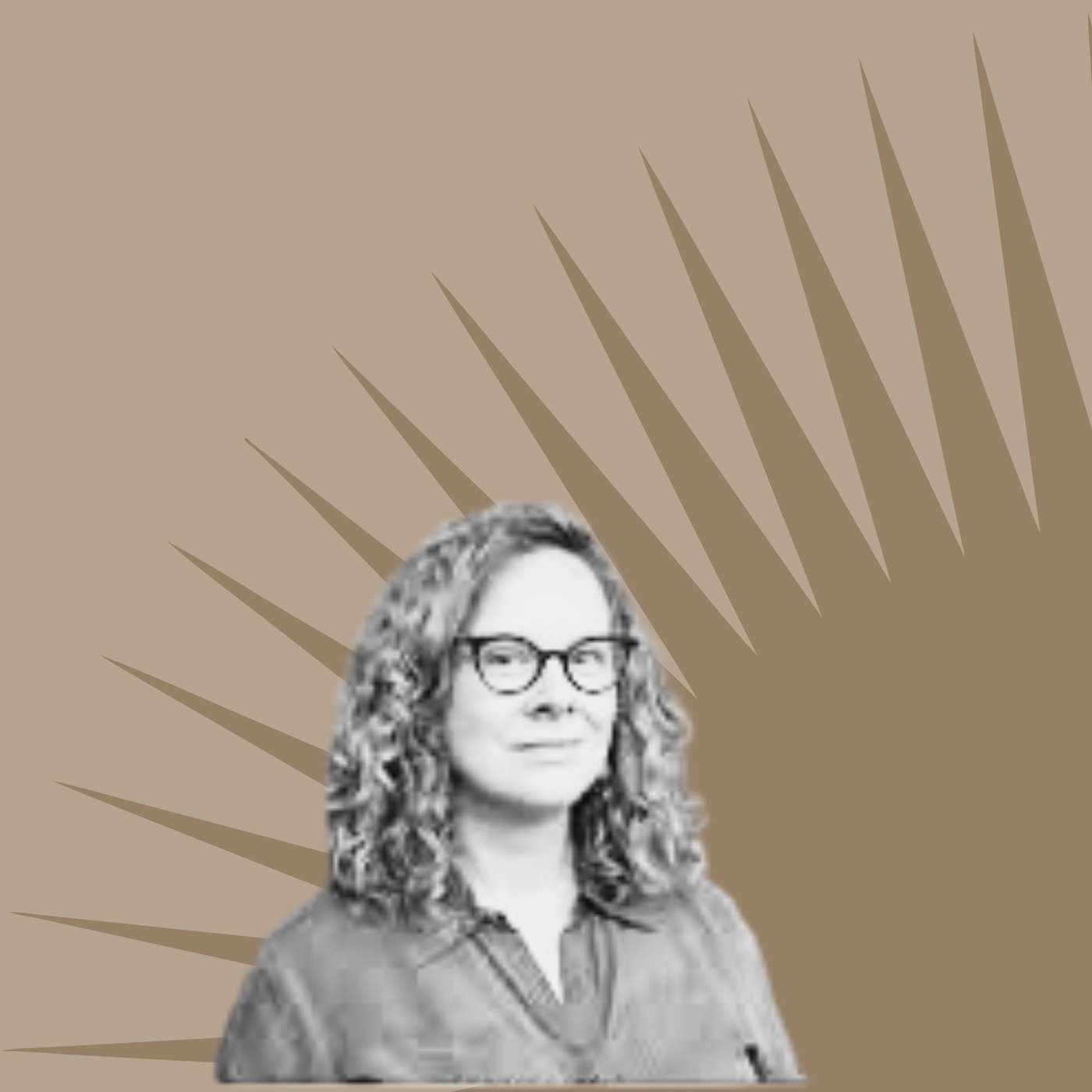
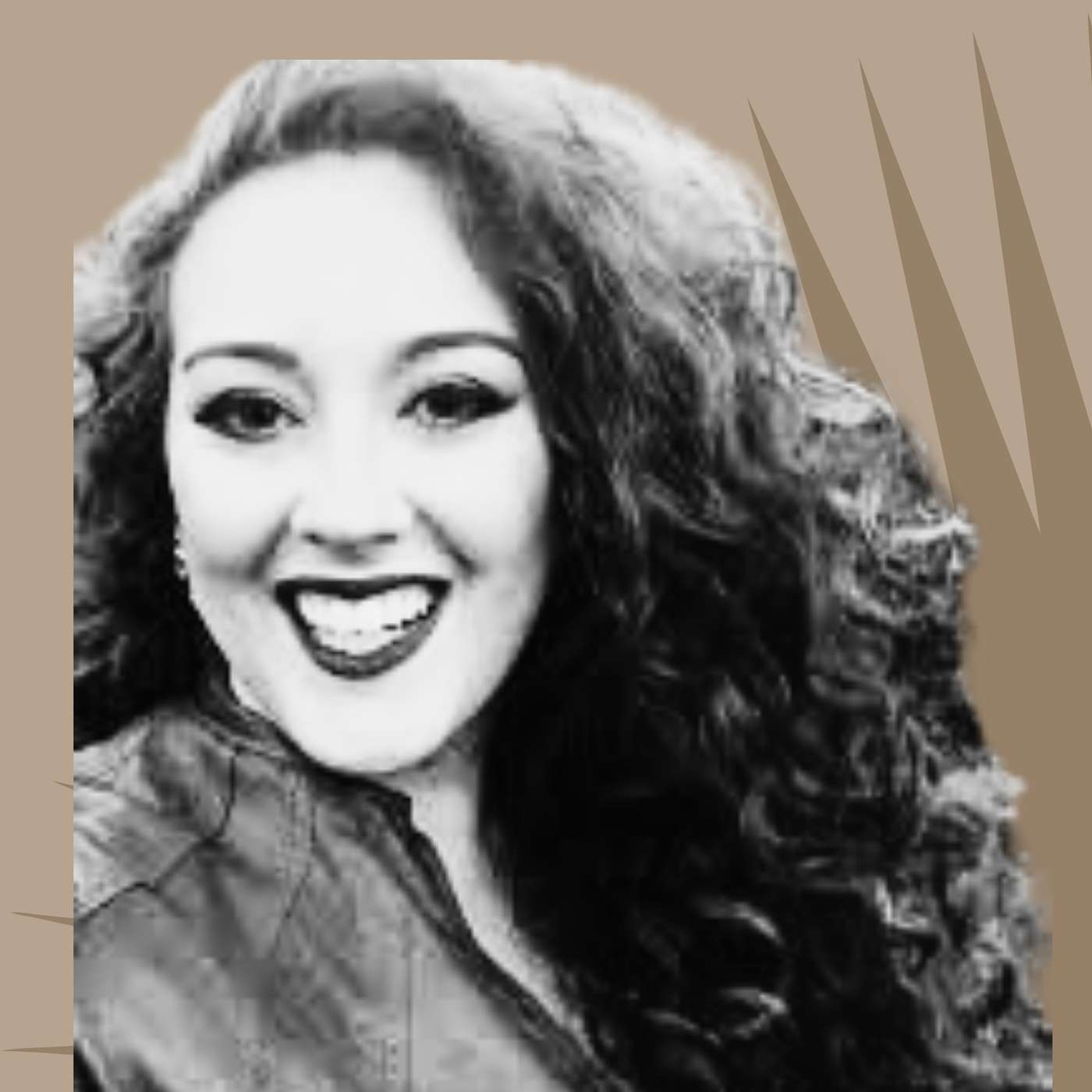
Bethanne Patrick maintains a storied place in the publishing industry as a critic and as @TheBookMaven on Twitter, where she created the popular #FridayReads and regularly comments on books and literary ideas to over 200,000 followers. Her work appears frequently in the Los Angeles Times as well as in The Washington Post, NPR Books, and Literary Hub. She sits on the board of the PEN/Faulkner Foundation and has served on the board of the National Book Critics Circle. She is the host of the Missing Pages podcast.
This is a public episode. If you'd like to discuss this with other subscribers or get access to bonus episodes, visit
keenon.substack.com/subscribe