Things aren’t quite as sunny on the environmental front as some recent guests suggest. According to the award winning science writer Peter Brannen, our planet is in an unprecedented crisis. We’re burning 500 million years of the earth's history in a few decades, Brannen warns, so we should all quit pretending that our recycling will miraculously save the planet. That said, though, his latest book, The Story of CO2 is the Story of Everything, is the complex narrative of how carbon dioxide (CO2) both made and might unmake our world. So CO2 is simultaneously the good guy and the villain in our environmental story. Without carbon dioxide, Brannen warns, Earth would freeze into an uninhabitable ice ball. But too much creates a Venus-like greenhouse hell in which all life would be quickly extinguished. We hang in a delicate sweet spot that took nature millions of years to manufacture —and we humans are now disrupting this ecological balance at breakneck speed. The result is what Brannen calls a terrifying planetary experiment with no safety net. So stop pretending your recycling will save the earth, he warns. Fixing the planet will require more than a new Tesla and regular trips to Whole Foods.
1. CO2 is Earth's Essential Paradox Carbon dioxide both enables life and threatens to destroy it. Without CO2, Earth would freeze into an uninhabitable ice ball within decades. But too much creates a Venus-like greenhouse hell. We exist in an extremely narrow window that took millions of years to establish.
2. We're Conducting an Unprecedented Planetary Experiment Humans are burning 500 million years of stored solar energy (fossil fuels) in just a few decades, releasing ancient CO2 at a rate 100 times faster than natural volcanic processes. This speed overwhelms Earth's natural ability to rebalance the system.
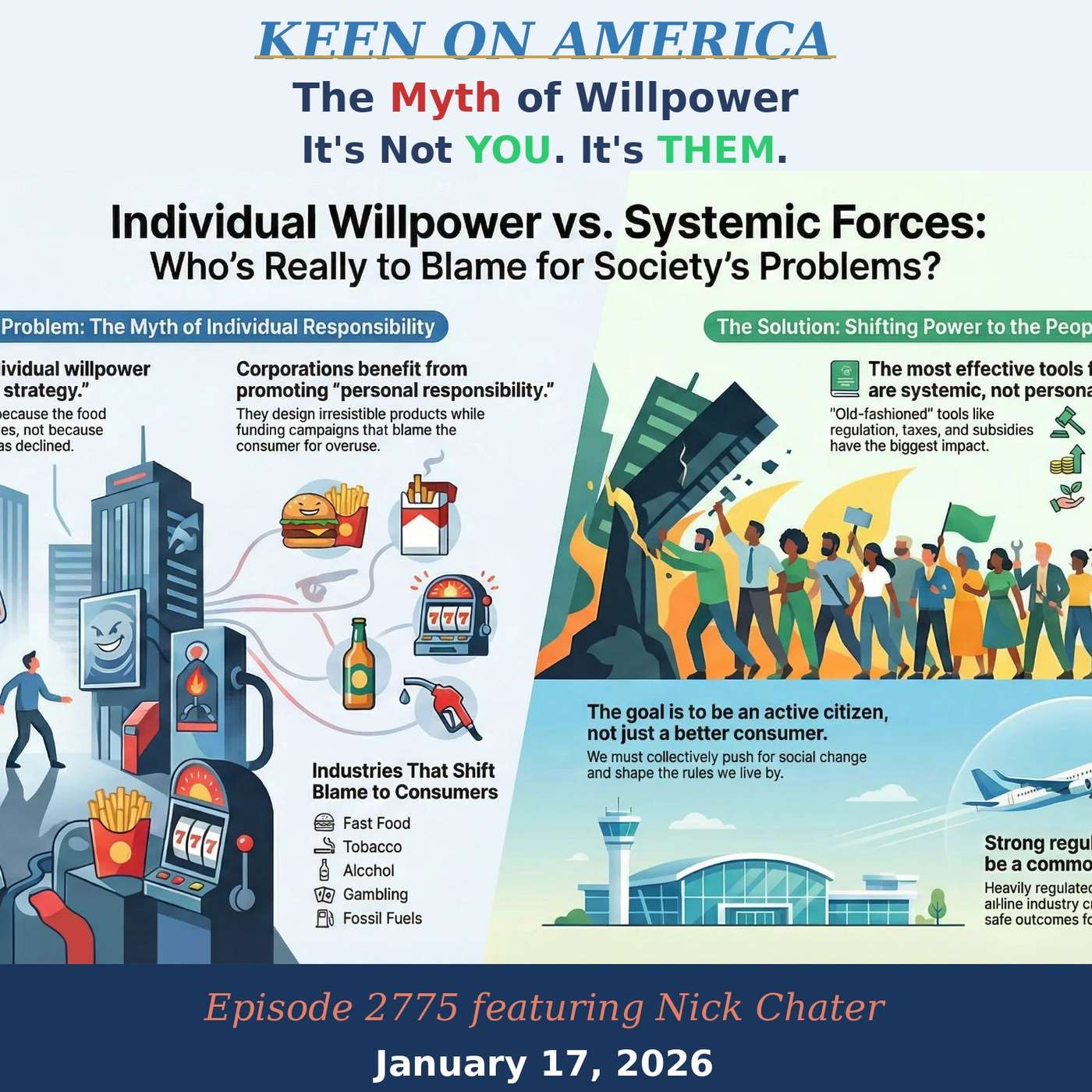
3. Individual Consumer Actions Won't Save Us Recycling, driving electric cars, and other personal choices create demand for better technologies but won't solve a problem of this scale. The focus on consumer responsibility was actually a strategy pushed by fossil fuel companies to deflect from systemic change.
4. Technology Offers Hope, But Carbon Removal is Fantasy Solar power costs have plummeted dramatically, offering genuine reasons for optimism. However, carbon capture and removal technologies are thermodynamically expensive and cannot scale to meaningful levels—they're "basically useless" if we don't first cut emissions to nearly zero.
5. Democracy May Be Too Slow for Climate Action International climate treaties produce "mealy-mouthed press releases" while missing targets. Brannen suggests the most realistic path forward is that clean energy becomes so economically superior that countries adopt it regardless of political will, potentially leaving the U.S. behind if it doesn't adapt.
Keen On America is a reader-supported publication. To receive new posts and support my work, consider becoming a free or paid subscriber.
This is a public episode. If you'd like to discuss this with other subscribers or get access to bonus episodes, visit
keenon.substack.com/subscribe