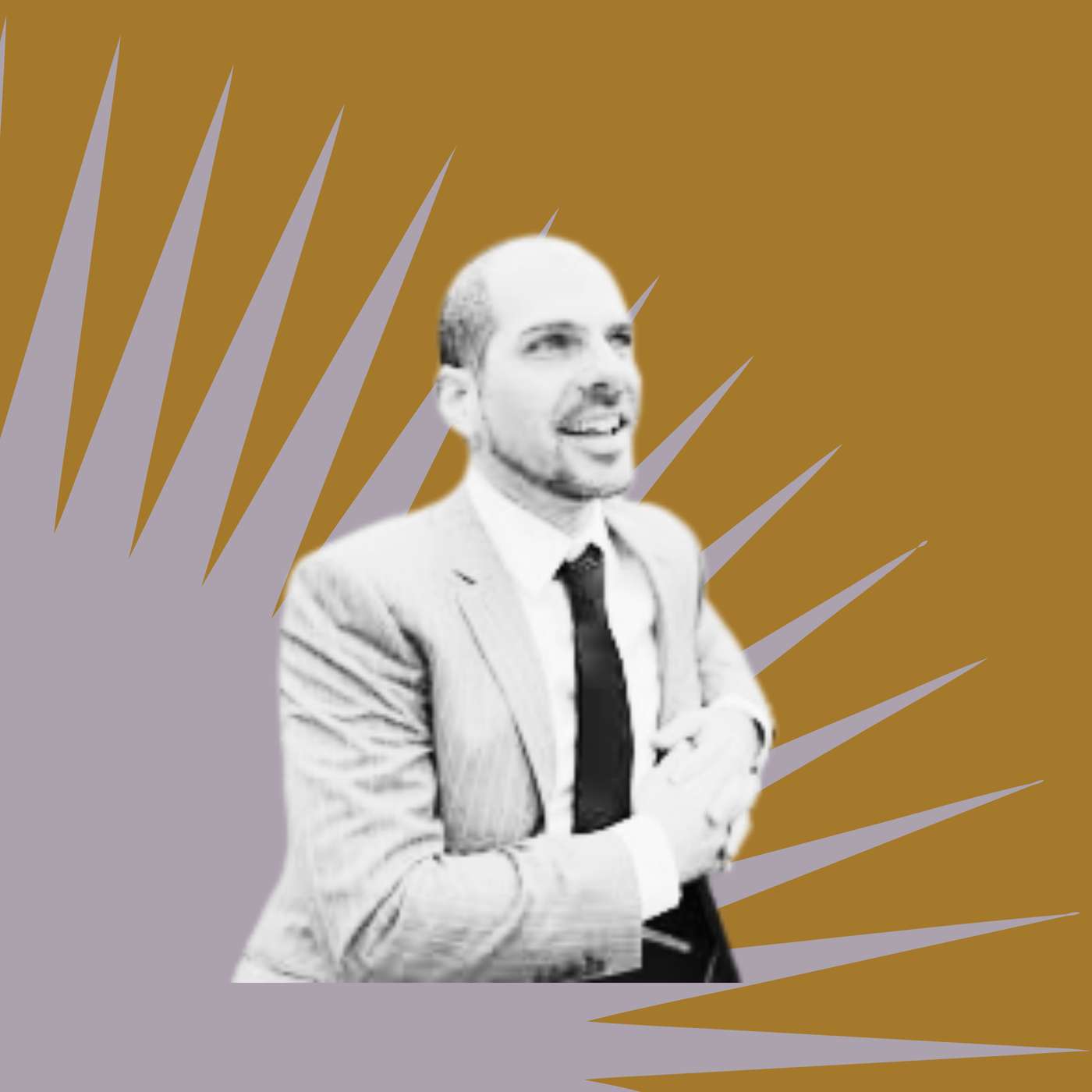
“All my life, I’ve absolutely opposed all terrorism by anyone under any circumstances. I define terrorism as the deliberate killing of noncombatants.” — Daniel Ellsberg, October 2001
Last week we had Tom Wells on the show talking about Henry Kissinger’s moral indifference to the loss of innocent lives in the Vietnam war. Henry Kissinger, of course, was no fan of the Pentagon Papers— the leaked documents that showed the American government was lying about Vietnam, thereby changing public opinion about the war and helping end it. And the Pentagon Papers are forever associated with one brave man: Daniel Ellsberg, Harvard economist, RAND Corporation strategist, marine, Pentagon insider—and America’s most famous whistleblower.
Ellsberg died in 2023 at the age of 92. Now his son Michael Ellsberg has co-edited a posthumous collection of his father’s previously unpublished writing. Truth and Consequence: Reflections on Catastrophe, Civil Resistance, and Hope draws from a hundred boxes of handwritten notebooks in nearly illegible script, spanning fifty years of moral reckoning. Daniel Ellsberg didn’t much care about publishing these notes. His son thought otherwise.
What emerges is not another memoir of the Pentagon Papers but a book of ideas—about the nature of evil, the morality of obedience, and what Ellsberg called “civic courage”: taking nonviolent risks when your democracy is in danger. He was inspired not by intellectuals but by young draft resisters going to jail. Daniel Ellsberg’s moral lineage ran from Thoreau through Gandhi to Martin Luther King. And his moral absolute was uncompromising: the deliberate killing of civilians is “terrorism”, whoever orders it. By that definition, Daniel Ellsberg defined Harry Truman as a terrorist. Not to mention morally indifferent politicians like Richard Nixon and Henry Kissinger.
Michael Ellsberg is candid about growing up in Berkeley with a father who was loving but distracted—a free-range parent who spent his evenings filling yellow legal pads rather than playing baseball. He’s equally candid about what his father would be saying right now: that whatever rationale exists for the Iran war, there are official plans and reasoning that the American public should know about but doesn’t. The Pentagon Papers proved the government lied. The question, as American bombs once again rain down on innocent civilians, is whether anything has changed in the last sixty years since “terrorists” like Henry Kissinger lied to the American public about Vietnam.
Five Takeaways
• You Are Being Lied to More Than You Realise: That was Ellsberg’s message in 1971, and his son says it’s his message now. Whatever rationale Trump has for the Iran war, Michael Ellsberg argues, there are plans and reasoning the public should know about but doesn’t. The Pentagon Papers proved the government lied about Vietnam. The question is whether anything has changed.
• The Establishment Man Who Became a Traitor: Daniel Ellsberg was Harvard-educated, a RAND Corporation strategist, a marine, a Pentagon aide working under McNamara. He was not a hippie. He was a silent-generation insider who watched the system lie about a war everyone inside knew was hopeless—and decided the public had a right to know.
• All Deliberate Killing of Civilians Is Terrorism: In an essay written in October 2001, Ellsberg proposed a moral absolute: the deliberate killing of noncombatants is terrorism, whoever does it—left or right, aggressor or defender, first world or third. By that definition, Hiroshima was terrorism and Truman was a terrorist. No lesser-evil exceptions.
• Civic Courage Is as Important as Military Courage: Ellsberg modelled what he called “civic courage”—taking nonviolent risks when democracy is in danger. He was inspired by draft resisters going to jail, not by intellectuals writing op-eds. The lineage runs from Thoreau through Gandhi to Martin Luther King. Ellsberg saw himself in that tradition.
• This Book Is a Son’s Labour of Love: Daniel Ellsberg spent decades filling yellow legal pads in nearly illegible handwriting. He didn’t much care about publication. His son Michael and longtime assistant Jan Thomas thought otherwise. Truth and Consequence draws from a hundred boxes of notebooks spanning fifty years—a book of ideas, not just a memoir of action.
About the Guest
Michael Ellsberg is the son of Daniel Ellsberg and the co-editor, with Jan R. Thomas, of Truth and Consequence: Reflections on Catastrophe, Civil Resistance, and Hope (Bloomsbury). He is the author of three previous books. He lives in Berkeley, California.
References
Books and references mentioned:
• Secrets: A Memoir of Vietnam and the Pentagon Papers by Daniel Ellsberg
• The Doomsday Machine: Confessions of a Nuclear War Planner by Daniel Ellsberg
• The Most Dangerous Man in America — Oscar-nominated documentary about Daniel Ellsberg
• The Ellsberg Paradox — Daniel Ellsberg’s contribution to decision theory, still discussed in economics
• Previous Keen On episodes: Tom Wells on the Kissinger tapes; McNamara and his mental breakdown; Truman’s decision to drop the bomb
• Henry David Thoreau, Gandhi, and Martin Luther King Jr. — the civil disobedience lineage Ellsberg claimed as his own
About Keen On America
Nobody asks more awkward questions than the Anglo-American writer and filmmaker Andrew Keen. In Keen On America, Andrew brings his pointed Transatlantic wit to making sense of the United States—hosting daily interviews about the history and future of this now venerable Republic. With nearly 2,800 episodes since the show launched on TechCrunch in 2010, Keen On America is the most prolific intellectual interview show in the history of podcasting.
Website
Substack
YouTube
Apple Podcasts
Spotify
Chapters:
- (00:00) - Introduction: From the Kissinger tapes to the Pentagon Papers
- (03:37) - Why Daniel Ellsberg matters now
- (06:21) - The establishment man who became a whistleblower
- (09:16) - McNamara, RAND, and the stalemate nobody would admit
- (11:19) - Randy Keeler and the draft resisters who changed everything
- (12:17) - Gro...