The Crisis That Shaped the Constitution
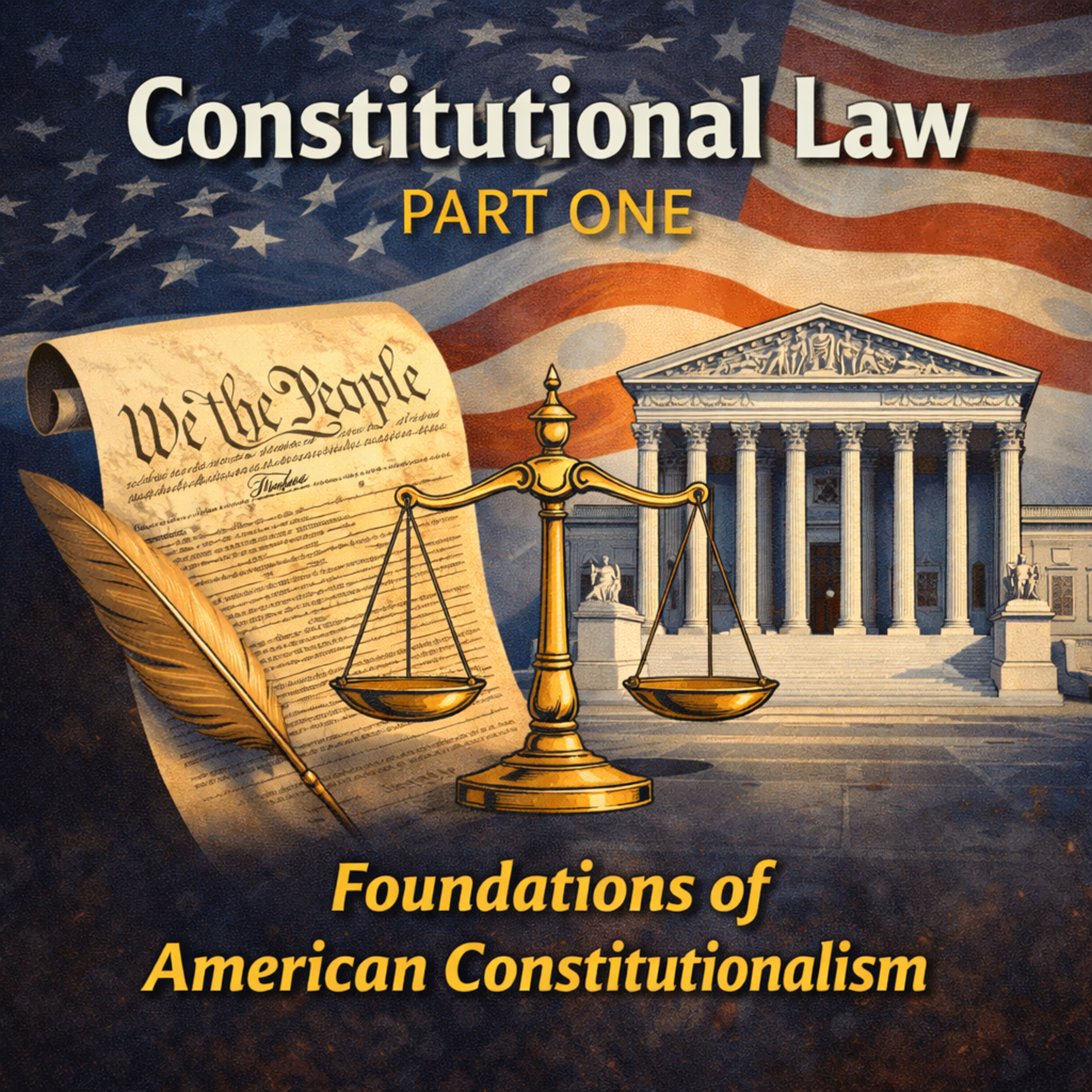
This conversation delves into the foundational principles of constitutional law, exploring the historical context of the Articles of Confederation, the influence of Enlightenment thinkers, the structure of government established by the Constitution, and the ongoing evolution of federalism and judicial review. It emphasizes the importance of understanding the separation of powers, checks and balances, and the amendment process as essential components of American governance.
The journey of American constitutional law is a fascinating exploration of governance, power, and rights. It begins with the failure of the Articles of Confederation, a system that left the young nation vulnerable and fragmented. This failure set the stage for the creation of the Constitution, a document that would redefine governance by establishing a strong federal structure while balancing state autonomy.
The Articles of Confederation: A Failed Experiment
The Articles of Confederation were designed to preserve the independence of states, but they resulted in a weak central government incapable of addressing national issues. The inability to levy taxes or regulate commerce led to economic turmoil and highlighted the need for a more robust framework.
The Constitution: A New Framework
In response, the framers crafted the Constitution, drawing heavily on Enlightenment ideas, particularly those of John Locke. This new framework introduced the separation of powers, dividing authority among legislative, executive, and judicial branches to prevent tyranny.
Separation of Powers and Checks and Balances
The Constitution's architecture ensures that no single branch becomes too powerful. Through checks and balances, each branch has the means to limit the others, fostering a system of accountability and preventing the concentration of power.
Federalism: Balancing State and National Power
Federalism emerged as a key principle, dividing power between national and state governments. This dual sovereignty allows for diversity in policy and governance, with states acting as "laboratories of democracy."
Judicial Review and Landmark Cases
The doctrine of judicial review, established in Marbury v. Madison, empowers courts to interpret the Constitution and invalidate laws that conflict with it. This power is a cornerstone of American law, ensuring that legislative and executive actions remain within constitutional bounds.
The 14th Amendment and Individual Rights
The 14th Amendment marked a significant shift, extending federal protection of individual rights against state actions. It laid the groundwork for landmark decisions that have shaped civil rights and liberties.
Modern Constitutional Interpretation and Challenges
Today, constitutional interpretation continues to evolve, reflecting societal changes and challenges. The balance between state and federal power remains a dynamic negotiation, influenced by judicial decisions and political will.
The American constitutional system is designed for conflict and negotiation, not swift efficiency. Its enduring strength lies in its ability to adapt and respond to new challenges while maintaining the foundational principles of liberty and justice.
Understanding the foundational architecture of American governance is crucial.
The Articles of Confederation highlighted the need for a stronger central government.
Judicial review, established in Marbury v. Madison, is a key mechanism for checks and balances.
Federalism allows for both national unity and state diversity.
The 14th Amendment significantly altered the relationship between citizens and states.
The amendment process is intentionally difficult to ensure stability in governance.
Conflict and negotiation are inherent in the constitutional system.
constitutional law, separation of powers, federalism, judicial review, Articles of Confederation, 14th Amendment, Marbury v. Madison, checks and balances, amendment process, governance