The Tug of War: Congress vs. President
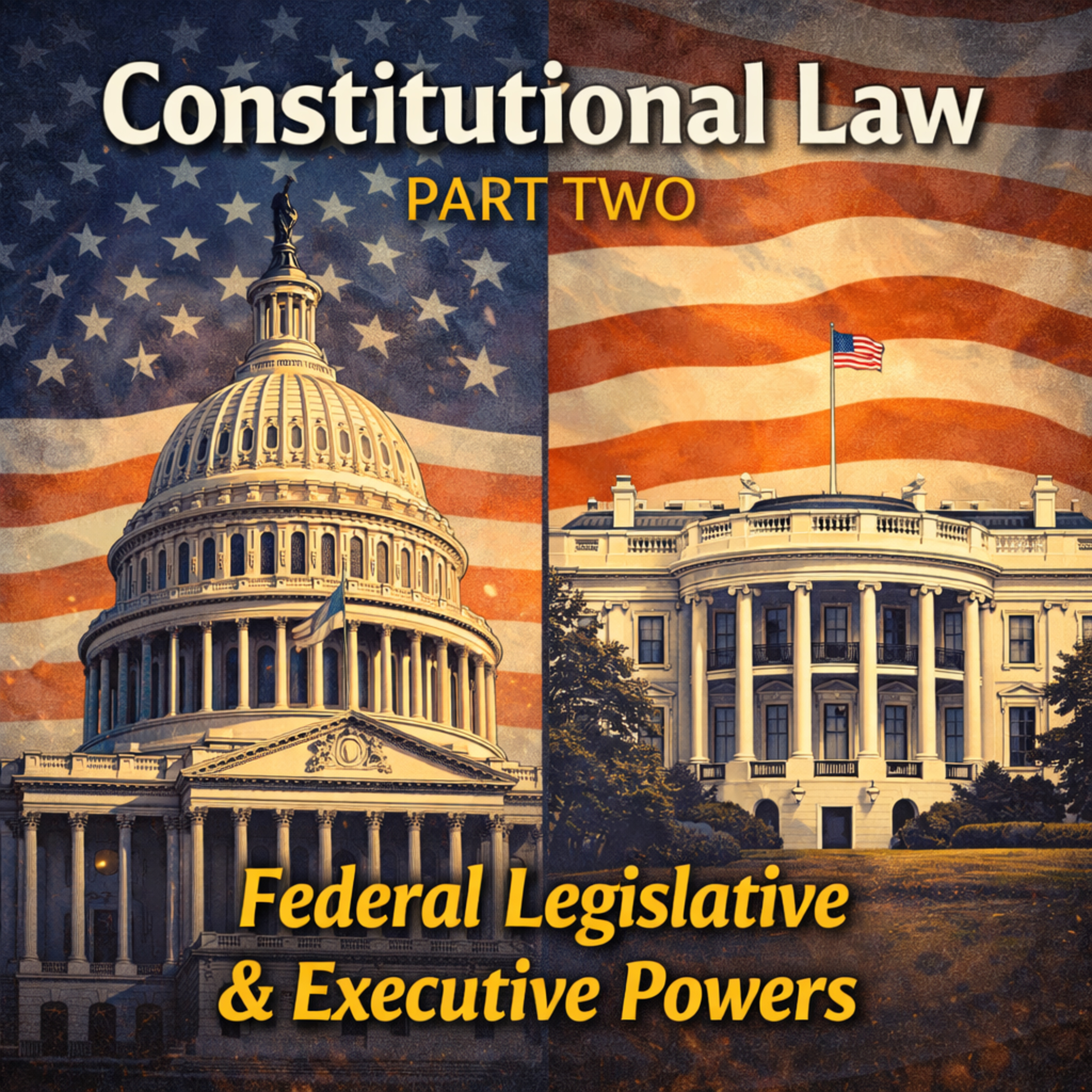
This conversation delves into the intricate dynamics of power between Congress and the President within the framework of the U.S. Constitution. It explores the historical evolution of federalism, the implications of key constitutional clauses such as the Necessary and Proper Clause, Spending Clause, and Commerce Clause, and the limitations imposed on federal power to protect state sovereignty. The discussion also covers the scope of executive power, the Unitary Executive Theory, and the balance of authority in foreign affairs, culminating in a comprehensive framework for analyzing federal power.
In the heart of the American constitutional framework lies a dynamic tension between Congress and the President, a balance of power that has shaped the nation's governance since its inception. This blog post delves into the historical and legal intricacies of federalism and separation of powers, exploring how these principles have evolved through landmark Supreme Court cases and legislative actions.
The Evolution of Federalism: Federalism in the United States has undergone significant transformations, from the early days of dual federalism, where state and national powers were distinct, to the cooperative federalism of the 20th century, characterized by collaboration and federal financial influence. The shift towards contemporary federalism saw a resurgence of state rights, influenced by Supreme Court decisions that reined in federal overreach.
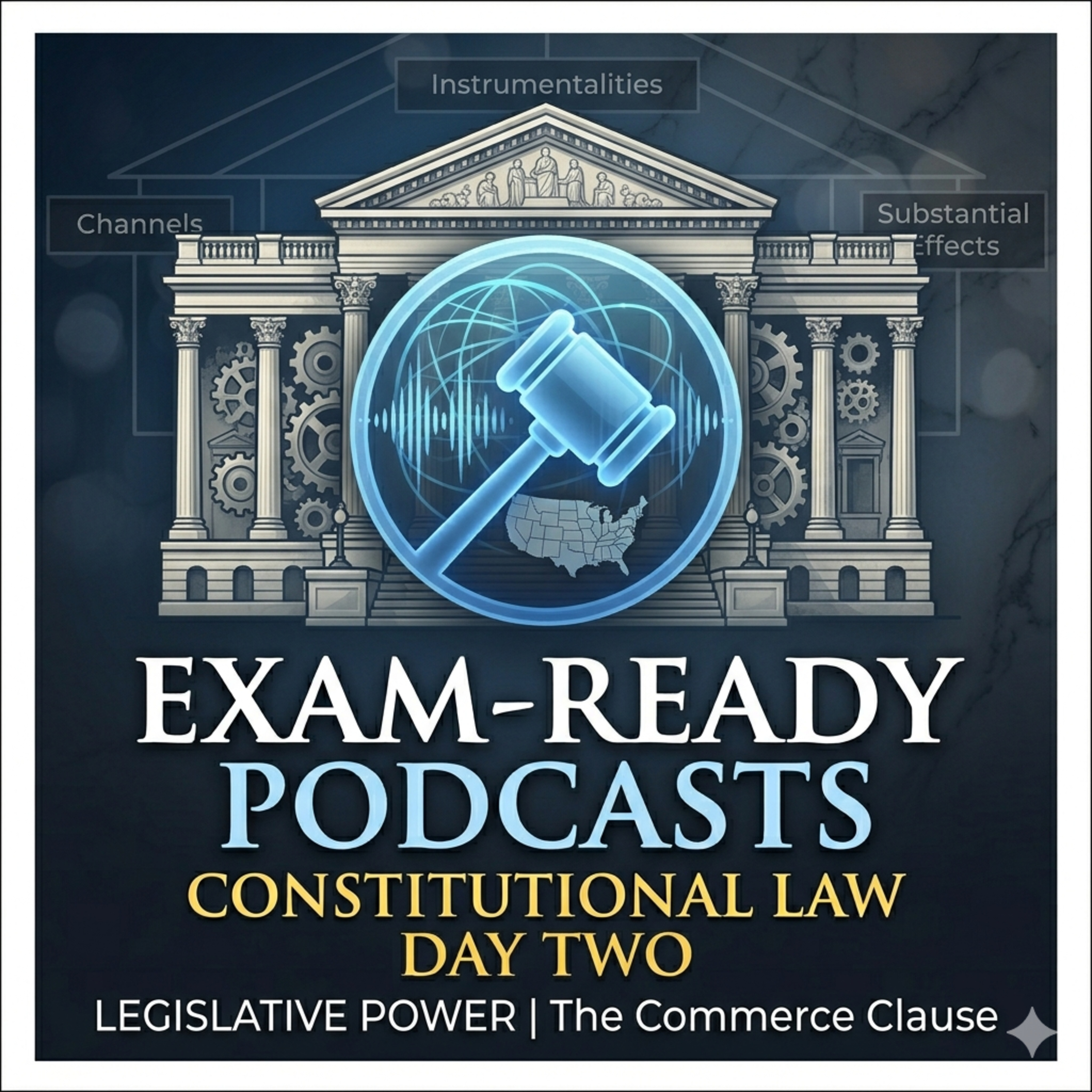
Key Supreme Court Cases: The blog highlights pivotal cases such as McCulloch v. Maryland, which established the supremacy of federal law, and United States v. Lopez, which marked a turning point in limiting Congress's power under the Commerce Clause. These cases underscore the ongoing judicial role in defining the boundaries of federal and state authority.
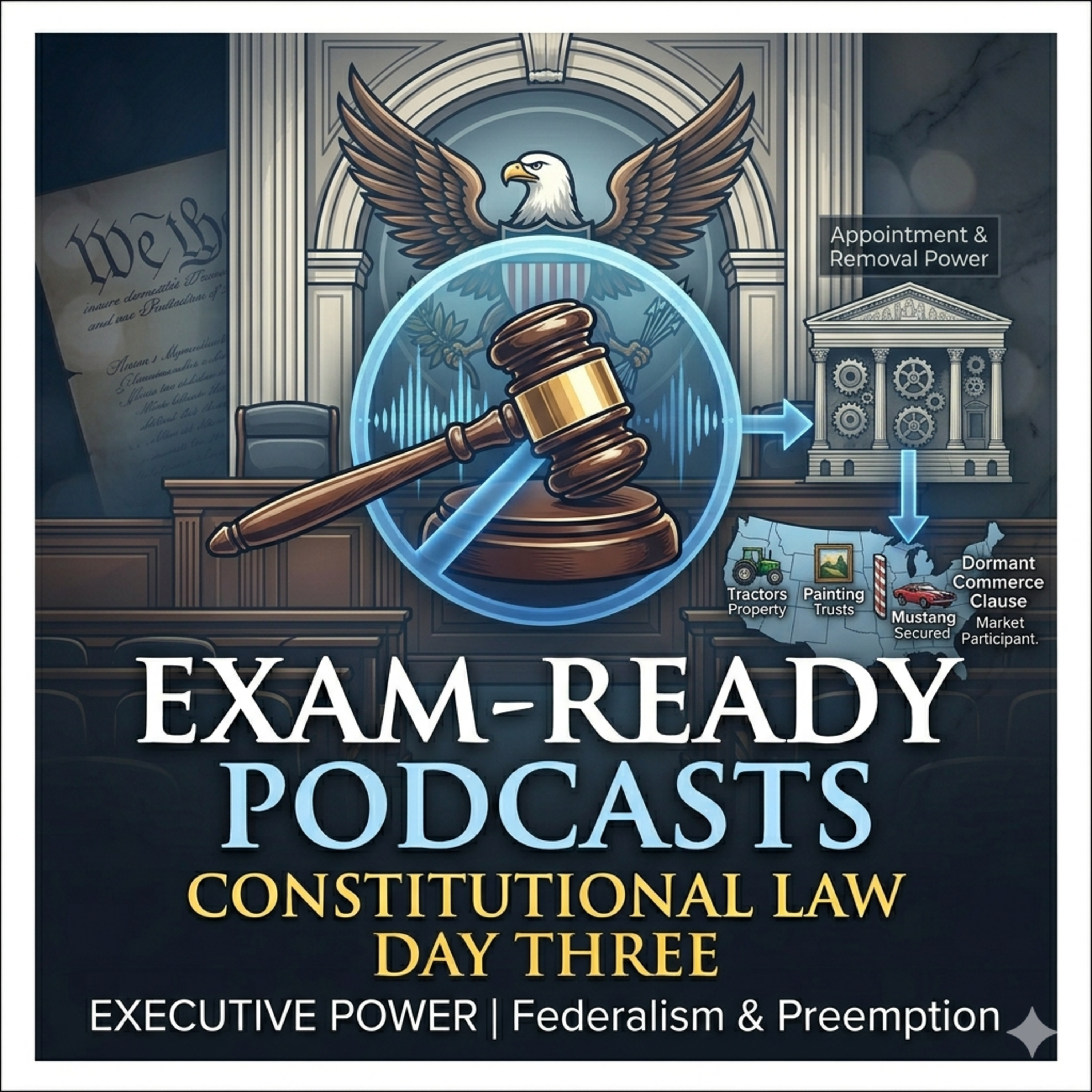
Congressional and Executive Dynamics: The interplay between congressional powers and executive authority is a cornerstone of American governance. The Necessary and Proper Clause and the Spending Clause have been instrumental in expanding congressional reach, while the President's powers are often tested in the realm of foreign affairs and executive orders. The Youngstown framework provides a critical lens for analyzing presidential actions, ensuring they align with constitutional mandates.
As the nation continues to navigate complex legal and political landscapes, the principles of federalism and separation of powers remain vital in maintaining the balance of authority. Understanding these frameworks is essential for interpreting the Constitution's role in contemporary governance and ensuring that power remains checked and balanced.
Subscribe Now: Stay informed on the latest constitutional insights and legal analyses by subscribing to our newsletter.
Takeaways
The enduring tension between Congress and the President defines American governance.
Federalism has evolved through distinct historical phases, impacting state and national power dynamics.
The Necessary and Proper Clause allows Congress to extend its powers beyond those explicitly enumerated.
The Spending Clause enables Congress to influence state policy through conditional funding.
The Commerce Clause has undergone significant interpretation, affecting federal regulatory power.
Post-Civil War amendments expanded congressional authority to enforce civil rights.
The anti-commandeering doctrine protects state sovereignty from federal overreach.
Executive power is limited by the need for congressional authorization and the Take Care Clause.
The Unitary Executive Theory argues for broad presidential control over the executive branch.
Checks and balances rely heavily on Congress to assert its legislative powers against presidential overreach.
federalism, separation of powers, congressional authority, executive power, commerce clause, necessary and proper clause, spending clause, constitutional law, state sovereignty, checks and balances