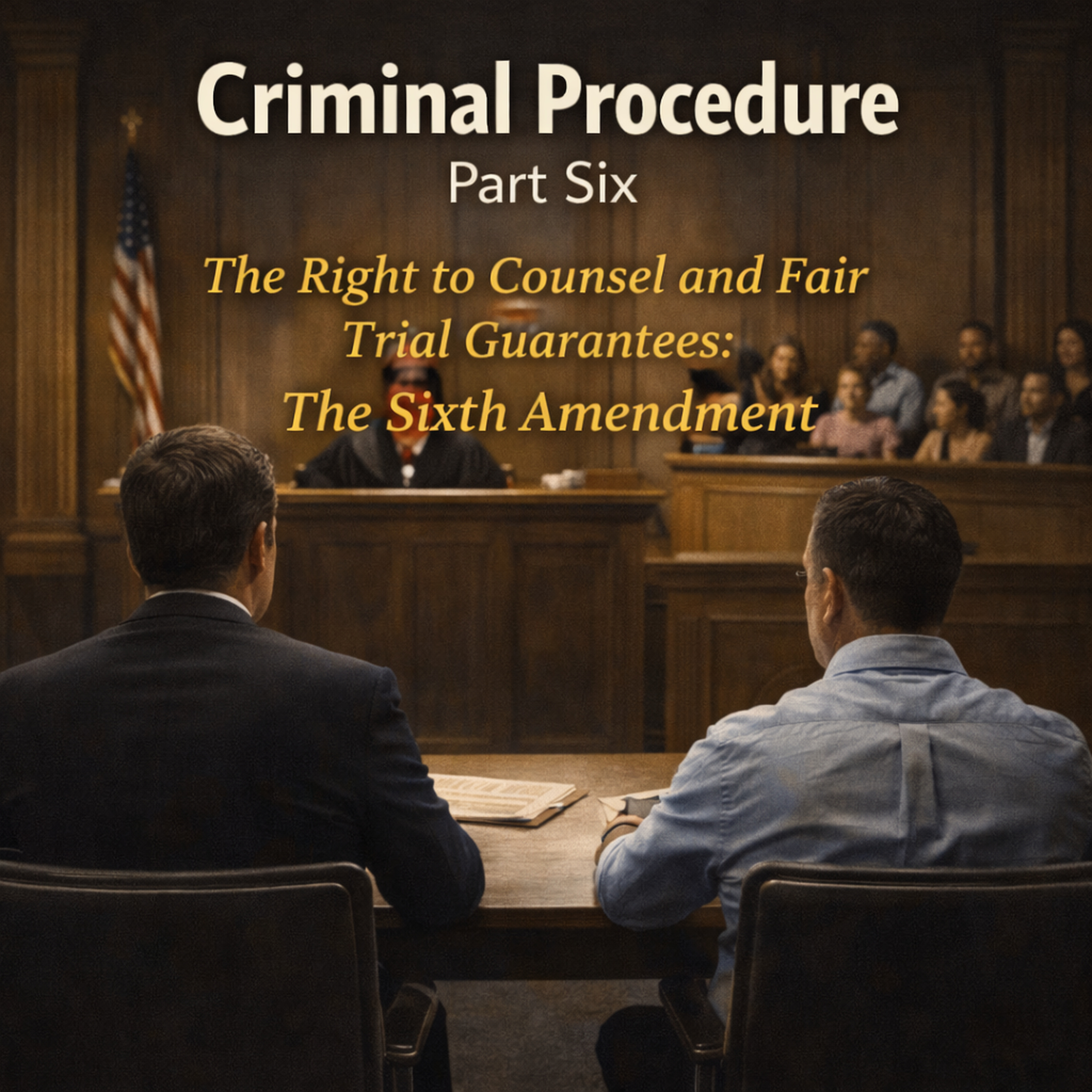
Understanding the Sixth Amendment: The Right to Effective Counsel
This conversation delves into the complexities of the Sixth Amendment's right to counsel, focusing on the Doctrine of Ineffective Assistance of Counsel (IAC) as established by Strickland v. Washington. It explores the two-pronged test for proving IAC, the implications of plea bargaining, and the distinction between structural errors and personal ineffectiveness. The discussion highlights the ongoing debate regarding the effectiveness of counsel and the systemic issues within the criminal justice system.
Navigating the labyrinth of the legal system can be daunting, especially when one's freedom is at stake. The Sixth Amendment's guarantee of the right to counsel is a cornerstone of justice, ensuring that even the most vulnerable have a guiding hand through the complexities of the law.
The Strickland Test: At the heart of the right to effective counsel is the Strickland v. Washington case, which established a two-pronged test to determine ineffective assistance of counsel. This test requires proving both deficient performance by the lawyer and resulting prejudice affecting the trial's outcome. The challenge lies in overcoming the courts' deference to strategic legal decisions, making it a high bar for defendants to clear.
Structural Errors and Autonomy: Certain errors, known as structural errors, bypass the need for proving prejudice. These include fundamental violations like a biased judge or denial of counsel, which automatically warrant a new trial. The recent McCoy v. Louisiana case highlights the importance of client autonomy, where a lawyer's decision to concede guilt against a client's wishes was deemed a structural error.
Plea Bargaining and Counsel's Role: With over 90% of criminal cases resolved through plea deals, the quality of legal advice during these negotiations is crucial. Cases like Missouri v. Fry and Lafler v. Cooper underscore the importance of effective counsel in plea bargaining, where miscommunication or bad advice can significantly impact a defendant's decision and outcome.
Conclusion: The Sixth Amendment's promise of effective counsel is vital for a fair trial, yet the Strickland test's stringent requirements often challenge its fulfillment. As legal debates continue, the focus remains on ensuring that the right to counsel is not just a promise, but a tangible reality for all.
Subscribe now to stay informed on the latest developments in criminal procedure and the right to effective counsel.
Takeaways
Ineffective assistance of counsel is a critical area in criminal procedure.
Strickland v. Washington provides the framework for IAC claims.
The two-pronged test requires proving both deficient performance and prejudice.
Deficient performance is measured against objective standards of reasonableness.
Prejudice must undermine confidence in the trial's outcome.
Structural errors lead to automatic reversals without needing to prove prejudice.
Plea bargaining is a significant aspect of the right to counsel.
Counsel's advice during plea negotiations can have profound consequences.
The right to counsel is a personal right for the defendant.
Systemic failures in legal representation can undermine the integrity of the justice system.
Sixth Amendment, right to counsel, ineffective assistance of counsel, Strickland v. Washington, criminal procedure, plea bargaining, structural errors, legal representation, fair trial, legal standards