Anxiety on Mental Health and Wellbeing

Anxiety on Mental Health and Wellbeing

Author: Mental Health Training Information August 28, 2022 Duration: 10:31

Anxiety on Mental Health and Wellbeing

If you’re having trouble sleeping well or feeling anxious most days, you probably aren’t alone because over 40 million Americans yearly suffer from anxiety disorders. 

Excessive worry has become common for many people today, and it affects their ability to sleep well, perform daily tasks, concentrate, or enjoy social interactions—and that’s not healthy!

There’s an evolutionary reason behind anxiety. Anxiety is basically preparing our brains and bodies to escape potential danger, an evolutionary mechanism that has helped humans survive as long as they have. Anxiety, coupled with fear, is often necessary for a specific event. 

For example, if we’re confronted with a lion, it may help us to run much faster than we would without any form of anxiety or dread. Parts of the brain are evolutionarily wired for our survival. Because of this, we sometimes still perceive many non-life-threatening cases as “life-or-death situations,” as if a sabre tooth tiger were chasing us down in the urban jungle. Furthermore, the brain’s emotional system is also hardwired to respond in an emotionally set way to life-and-death situations.

The amygdala is one part of the limbic system involved in emotion. It has been shown that when people are exposed to threatening stimuli (such as images or sounds), while their amygdala may be stimulated unconsciously, they experience fear.

What are some signs that your anxiety levels are too high?

With so much happening in our lives today, we tend to worry a lot. Worry can take many forms, including irrational fears, overthinking, and worrying too much about things that may never happen. Learning to manage these feelings and not let them control you is crucial.

It’s natural to feel occasional anxiety.

Some anxiety levels can be helpful, as they provide a “red flag” that something is meaningful in our lives and worth giving more awareness to. 

For example, mild anxiety about an upcoming exam can serve as a reminder that this event is ‘out there,’ and we can use that anxiety to our advantage by ensuring we study for the exam.

The effects of prolonged anxiety, however, can be detrimental to both our physical and mental health. If you experience the following signs and symptoms more often than not for at least a couple of weeks, you may be experiencing more anxiety than is healthy with significant changes in sleep and appetite, muscle tension, fatigue, difficulty concentrating, and frequent worrying and rumination.

If excessive worry negatively impacts your social activities, work, or relationships with others, you may have too high a stress level.

Read More:


We all navigate a world that constantly tests our emotional and psychological resilience, yet practical guidance on maintaining mental well-being can feel scattered or overly clinical. Mental Health Training cuts through the noise, offering grounded conversations that connect the dots between personal fitness, our cultural environment, and the health of our relationships. Hosted by Mental Health Training Information, each episode functions like an accessible workshop, translating complex psychological concepts into everyday language and actionable strategies. You’ll hear discussions that range from managing daily stressors and building emotional fitness to understanding how societal pressures shape our individual mental landscapes. This isn't about quick fixes; it's about cultivating a sustainable, informed approach to your inner life. The podcast draws from a broad spectrum of expertise, reflecting its roots in education and society, to provide listeners with a comprehensive toolkit. Tune in for a thoughtful blend of personal stories, expert insights, and practical exercises designed to strengthen your mental framework. Find more depth and continue the conversation beyond the audio by visiting the show's website for extended resources. This is a space for anyone looking to move beyond awareness and into the practice of genuine mental health training.
Author: Language: English Episodes: 100

Mental Health Training
Podcast Episodes
Headache explained [not-audio_url] [/not-audio_url]

Duration: 38:12
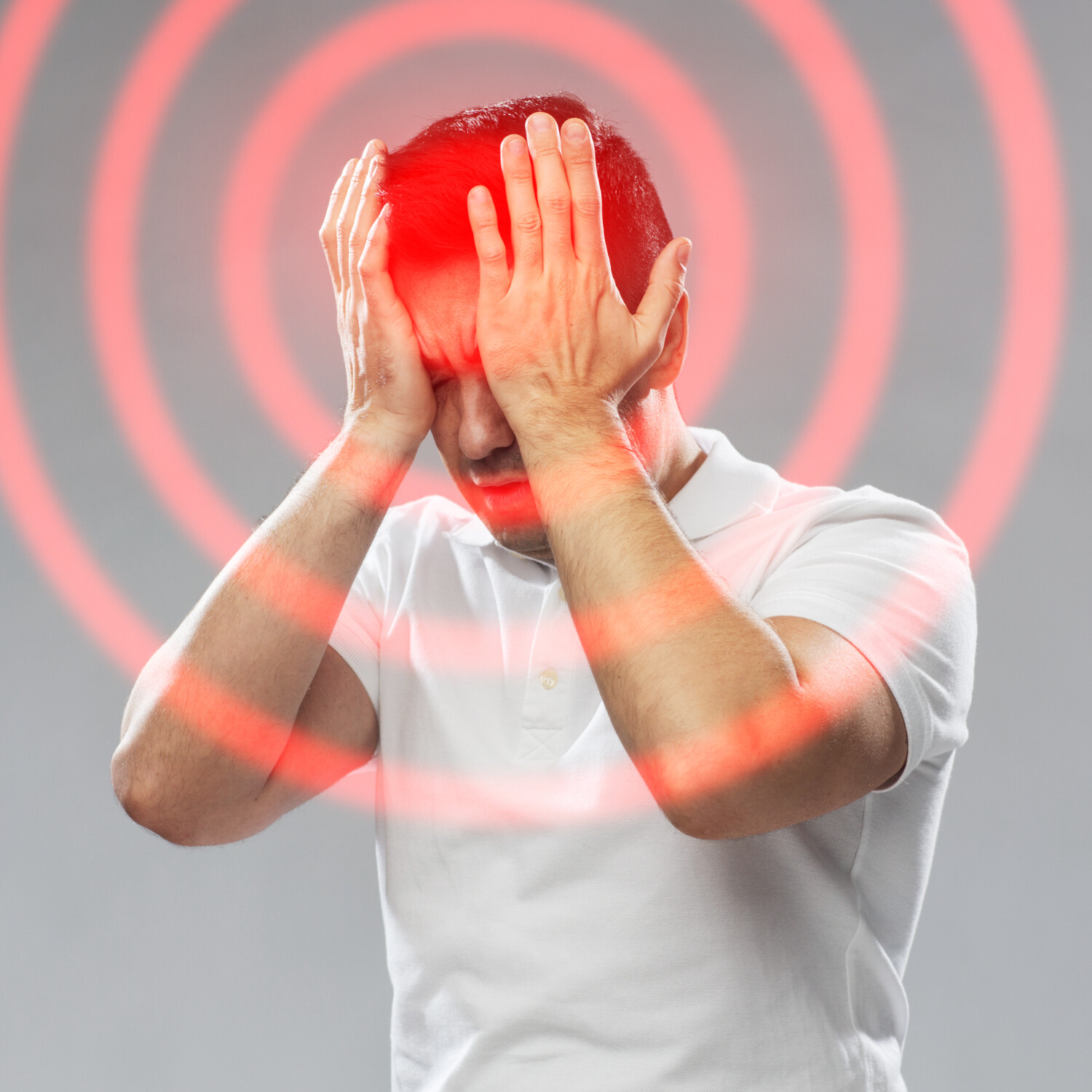
One of the body’s most influential alarm signals is a headache, which is often a sign of physical or psychological overload. A headache occurs because of a primary or secondary cause. Globally, it has been estimated that…
What Is A Narcissistic Personality Disorder [not-audio_url] [/not-audio_url]

Duration: 7:02
What Is Narcissistic Personality Disorder? Narcissistic Personality Disorder (NPD) is a condition marked by a pattern of grandiosity, fixation on power fantasies, desire for admiration, arrogance, lack of empathy, and en…
Smart, Effective Ways to Protect Yourself from Negativity. [not-audio_url] [/not-audio_url]

Duration: 3:01
Smart, Effective Ways to Protect Yourself from Negativity Negativity affects your life on every level. It can ruin relationships, decrease work performance, and increase stress levels. The good news is that you can fight…
Boost Your Self-Respect [not-audio_url] [/not-audio_url]

Duration: 9:41
Self-respect and respect from others are closely aligned. They are both something that everyone desires. Self-esteem is an admirable trait. It is something that we can recognize in another person by their actions, attitu…
How, to look after the most important person in your life. [not-audio_url] [/not-audio_url]

Duration: 5:30
How to look after the most important person in your life. Interestingly, one of the things that we typically feel guilty about is taking care of our own needs. It feels downright selfish to focus on yourself when there i…
What’s Love Got to Do With It [not-audio_url] [/not-audio_url]

Duration: 10:17
What’s Love Got to Do With It One way to define love is as a strong connection between two individuals. This relationship can be either romantic or platonic. Romantic love means that both parties are attracted to each ot…
Increase Trust in Yourself [not-audio_url] [/not-audio_url]

Duration: 2:25
Tips to Increase Trust in Yourself You may have a difficult time trusting yourself. Don’t despair. You are not alone. It is something that many people experience, and find difficult to overcome. When you lose trust in ot…
How to enhance your well-being [not-audio_url] [/not-audio_url]

Duration: 27:33
Feeling a bit down lately, maintaining a positive mood when life gives us lemons can be challenging. If you are feeling down, there are ways to help yourself feel better. Here are some natural remedies that will help lif…
What’s the Difference Between Introverts and Extroverts? [not-audio_url] [/not-audio_url]

Duration: 9:43
Extroverts and introverts are two types of people who generally prefer different activities, environments, and work styles. Extroverts tend to be more social and enjoy being around other people, and they seek stimulation…
Five Steps to More Confident Decision Making [not-audio_url] [/not-audio_url]

Duration: 2:21
Five Steps to More Confident Decision-Making How do you make a decision? Do you know the steps? If you’re having trouble feeling confident in your actions and wish you had an unwavering self-belief in your decisions, may…