My rugby injuries made me suicidal – psychedelic drugs saved me

My rugby injuries made me suicidal – psychedelic drugs saved me

Author: Mental Health Training Information April 9, 2023 Duration: 9:20

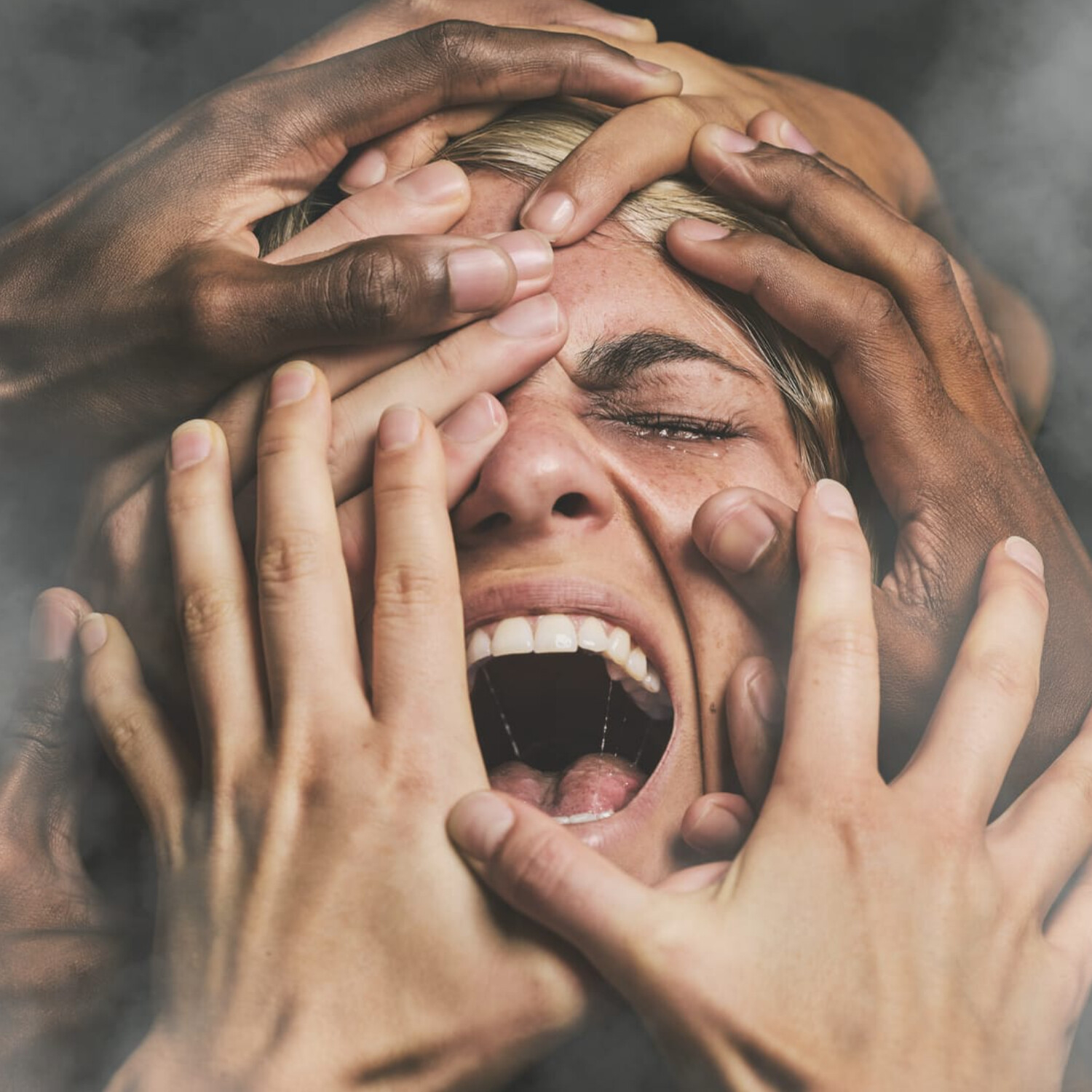
Lying on a mat around a fire in the Costa Rican jungle, I was too terrified to speak. I had just taken iboga, a psychedelic plant medicine native to Central Africa, in a desperate attempt to avoid taking my own life.

It was 2015, two years after I had retired from international rugby, where I was a celebrated full-back, playing for Glasgow Warriors, Sale Sharks and Toulon, and had represented Scotland in two World Cups. 

This wasn’t the first time I’d tried psychedelics. I’d tried psilocybin (magic mushrooms) seven years earlier, after a bad concussion, because I’d heard they benefited brain injuries. The harsh reality of rugby culture first struck me, then how players are encouraged to endure pain and injuries well past the breaking point. 

That night, under the influence of iboga, I felt a sense of clarity that was almost disturbing. New energy coursed through my body, and I could see all the trauma I’d endured through surgeries, pharmaceutical drugs, and partying.

On my return home, I started researching psychedelics. Until the 1960s, psychedelic therapies were surprisingly commonplace in Western medicine in the areas of psychology and psychiatry. 

They fell out of favour, though this is changing now – ketamine therapy is available in the UK for depression and addiction, Australia has just legalised MDMA and psilocybin for therapeutic use, and we finally have scientific evidence to back up efficacy for several mental health conditions, such as post-traumatic stress disorder, which the Duke of Sussex has spoken about.

Winning at all costs

A few years before trying iboga, I’d been lauded as Scotland’s best full-back in the 2007 Rugby World Cup. During the week, I was training hard, while after matches, I was binge-drinking and partying in nightclubs with my teammates, pumped full of Red Bull and Pro Plus until the sun came up.

During my decade-long career as a professional rugby player, I earned a reputation for winning at all costs. I’d been knocked unconscious on the pitch ten times, with many more concussions and broken bones. In 2008, I fractured my eye socket, cheekbone and jawbone and had a seizure. But I kept playing. 

Pharmaceutical drugs were handed out freely to the players, so with the help of the anti-inflammatories diclofenac and meloxicam, painkillers co-codamol and tramadol, and muscle-relaxing benzodiazepines, I got on with it. 

Popping these highly addictive pills was a way to keep playing and hang on to your livelihood. These drugs take away your physical pain and boost your mood, and they soon started being used beyond their recommended medical capacity.

Finally, in 2012, at 29, I shattered my leg and ankle joint in a career-ending injury. After a year of rest and three surgeries, my ankle failed to heal. My contract was torn up, and my healthcare plan was revoked six months later.

‘I couldn’t imagine a future without rugby.’


We all navigate a world that constantly tests our emotional and psychological resilience, yet practical guidance on maintaining mental well-being can feel scattered or overly clinical. Mental Health Training cuts through the noise, offering grounded conversations that connect the dots between personal fitness, our cultural environment, and the health of our relationships. Hosted by Mental Health Training Information, each episode functions like an accessible workshop, translating complex psychological concepts into everyday language and actionable strategies. You’ll hear discussions that range from managing daily stressors and building emotional fitness to understanding how societal pressures shape our individual mental landscapes. This isn't about quick fixes; it's about cultivating a sustainable, informed approach to your inner life. The podcast draws from a broad spectrum of expertise, reflecting its roots in education and society, to provide listeners with a comprehensive toolkit. Tune in for a thoughtful blend of personal stories, expert insights, and practical exercises designed to strengthen your mental framework. Find more depth and continue the conversation beyond the audio by visiting the show's website for extended resources. This is a space for anyone looking to move beyond awareness and into the practice of genuine mental health training.
Author: Language: English Episodes: 100

Mental Health Training
Podcast Episodes
Bibliotherapy: A Book Club With A Difference [not-audio_url] [/not-audio_url]

Duration: 12:49
What is Bibliotherapy? Bibliotherapy is a therapeutic approach that uses literature to support mental health and wellbeing. It involves using books, poems, and other written materials to help individuals understand and c…
Introduction to mental health in literature [not-audio_url] [/not-audio_url]

Duration: 9:29
Mental health is an important and often misunderstood topic affecting millions worldwide. Raising awareness and promoting understanding of mental health issues is crucial to creating a more inclusive and supportive socie…
The Impact Of Intrusive Thoughts On Your Mental Health [not-audio_url] [/not-audio_url]

Duration: 23:13
The continuous presence of intrusive thoughts can create a constant sense of unease and fear. They have the power to make you question your own morality and sanity. The toll they take on you is not only mental but physic…
Is there a misunderstanding about anxiety in teenage girls? [not-audio_url] [/not-audio_url]

Duration: 12:56
Is there a misunderstanding about anxiety in teenage girls? Anxiety is a common emotion experienced by people of all ages, but have we misunderstood its impact on teenage girls? In today's fast-paced, high-pressure world…
Are We The Victims Of Our Genes [not-audio_url] [/not-audio_url]

Duration: 11:54
Why do you struggle to resist a sugary snack or struggle with anxiety? The answer lies in our genes. Our genetic makeup plays an important role in shaping who we are and how we behave. Could it be possible that our genes…
Maintain a healthy mind. [not-audio_url] [/not-audio_url]

Duration: 12:36
A healthy mind is essential for overall well-being. It enables us to cope with the challenges of everyday life and maintain a positive outlook. But what does it mean to have a healthy mind? It goes beyond just being free…
Paranoid Schizophrenia: Learning and Managing this Condition [not-audio_url] [/not-audio_url]

Duration: 11:21
Paranoid Schizophrenia: Learning and Managing this Condition Paranoid schizophrenia is a complex and often debilitating mental illness that affects approximately 0.5% of the population. Portrayed by a combination of hall…
A Comprehensive Guide To Mind-Wandering [not-audio_url] [/not-audio_url]

Duration: 16:28
A Comprehensive Guide To Mind-Wandering Do you often find yourself lost in your thoughts, utterly detached from the present moment? If so, you’re not alone. This phenomenon is known as mind-wandering, a common occurrence…