The Impact Of Intrusive Thoughts On Your Mental Health

The Impact Of Intrusive Thoughts On Your Mental Health

Author: Mental Health Training Information September 24, 2023 Duration: 23:13

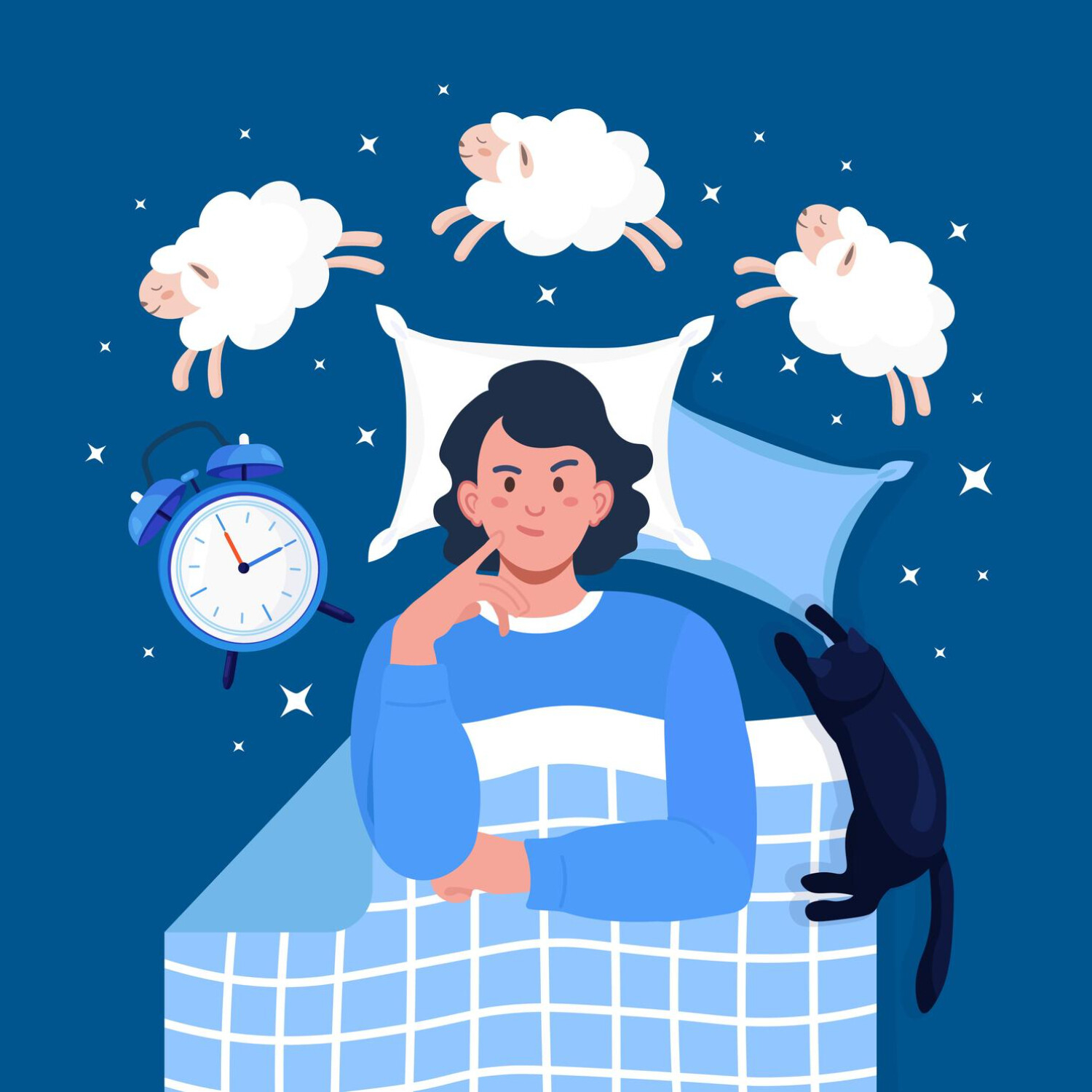
The continuous presence of intrusive thoughts can create a constant sense of unease and fear. They have the power to make you question your own morality and sanity. The toll they take on you is not only mental but physical as well. The exhaustion caused by these persistent thoughts can affect your concentration, making it difficult to complete tasks or make decisions. Sleep disturbances may also occur due to the constant rumination induced by intrusive thoughts.

The emotional impact of intrusive thoughts should not be overlooked. Heightened anxiety levels and constant worry about the disturbing content can lead to feelings of shame, guilt, or self-doubt. These intrusive thoughts may also trigger depressive symptoms such as sadness, hopelessness, or a loss of interest in once-enjoyable activities.

Moreover, intrusive thoughts can significantly affect your relationships with others. Out of fear that others will judge you based on your thoughts’ content, you may isolate yourself from social interactions. Interactions with loved ones may become strained as you struggle to explain why you are feeling distressed or preoccupied.

In light of this, seeking professional help is crucial when dealing with the impact of intrusive thoughts on your mental health. Mental health professionals can offer guidance and support through therapy techniques like cognitive-behavioural therapy (CBT) or exposure response prevention (ERP). With their assistance, you can develop coping mechanisms and strategies to reduce the frequency and intensity of these intrusions.

Remember that you are not alone in facing the impact of intrusive thoughts on your mental health. With proper support and treatment from professionals, it is possible to regain control over your mind and improve your overall well-being.

Let’s talk about intrusive thoughts and how they can affect our mental health.

Intrusive thoughts, a common phenomenon in the realm of mental health, have a profound impact on individuals’ well-being. These thoughts, which can be distressing and unwanted, often invade the mind unexpectedly, causing a significant disruption to one’s daily life. They may manifest as disturbing images, impulsive urges, or irrational fears, leading to heightened anxiety and distress. Intrusive thoughts can range from harmless to more severe, such as thoughts of violence or self-harm, and can be particularly distressing for those experiencing them. The constant bombardment of these intrusive thoughts can be exhausting, affecting concentration, sleep patterns, and overall mental stability. It is important to recognise that intrusive thoughts do not indicate any moral failing or character flaw, but rather highlight the human mind’s complex nature. Seeking professional help, such as therapy or counselling, can provide influential strategies for managing and minimising the impact of intrusive thoughts on mental health.

- State the primary keyword and mention the keywords in the blog post.

Understanding Intrusive Thoughts

Understanding intrusive thoughts can be a perplexing endeavour. Often unwanted and distressing, these thoughts can sometimes burst into our minds. They may range from disturbing or violent images to reflections challenging moral values. Intrusive thoughts are not subjective of one’s character or desires but rather a common occurrence experienced by many individuals. They can be triggered by stress, anxiety, or even the random firing of neural circuits in the brain. It is important to note that having intrusive thoughts does not mean a person is mentally ill or dangerous. In fact, research suggests that the more we try to suppress these thoughts, the stronger and more persistent they become.

Read more:



We all navigate a world that constantly tests our emotional and psychological resilience, yet practical guidance on maintaining mental well-being can feel scattered or overly clinical. Mental Health Training cuts through the noise, offering grounded conversations that connect the dots between personal fitness, our cultural environment, and the health of our relationships. Hosted by Mental Health Training Information, each episode functions like an accessible workshop, translating complex psychological concepts into everyday language and actionable strategies. You’ll hear discussions that range from managing daily stressors and building emotional fitness to understanding how societal pressures shape our individual mental landscapes. This isn't about quick fixes; it's about cultivating a sustainable, informed approach to your inner life. The podcast draws from a broad spectrum of expertise, reflecting its roots in education and society, to provide listeners with a comprehensive toolkit. Tune in for a thoughtful blend of personal stories, expert insights, and practical exercises designed to strengthen your mental framework. Find more depth and continue the conversation beyond the audio by visiting the show's website for extended resources. This is a space for anyone looking to move beyond awareness and into the practice of genuine mental health training.
Author: Language: English Episodes: 100

Mental Health Training
Podcast Episodes
Gaslighting in Relationships: How to Heal and Move Forward [not-audio_url] [/not-audio_url]

Duration: 9:22
Gaslighting in Relationships: How to Heal and Move Forward. Gaslighting is a form of emotional abuse in which an individual manipulates another person to doubt their own perceptions, feelings and thoughts, ultimately lea…
Echoism vs Narcissism: What’s the Difference? [not-audio_url] [/not-audio_url]

Duration: 20:40
Echoism vs Narcissism: What’s the Difference? Have you heard of Echoism? It’s a term that describes individuals who tend to repeat what others say to avoid conflict or assert their own opinions. In a world where narcissi…
Hypertension on the Couch [not-audio_url] [/not-audio_url]

Duration: 20:12
Hypertension, commonly known as high blood pressure, is often called the “silent killer” because it can go unnoticed until it causes severe health problems. In fact, hypertension affects over 1 billion people worldwide a…
Hypochondria and Mental Health: The Link Between Anxiety and Illness [not-audio_url] [/not-audio_url]

Duration: 26:26
Have you ever experienced anxiety about your health, even when there’s no medical reason to do so? Perhaps you worry about having a severe illness, despite your doctor reassuring you that you’re healthy. This anxiety cou…
How to Make the Most of good stress and Manage the Bad [not-audio_url] [/not-audio_url]

Duration: 10:11
How to Make the Most of good stress and Manage the Bad by Marissa Downes Stress, or more accurately distress, occurs when the demands on a person exceed their abilities, skills, or coping strategies. “Stress is a respons…
My rugby injuries made me suicidal – psychedelic drugs saved me [not-audio_url] [/not-audio_url]

Duration: 9:20
Lying on a mat around a fire in the Costa Rican jungle, I was too terrified to speak. I had just taken iboga, a psychedelic plant medicine native to Central Africa, in a desperate attempt to avoid taking my own life. It…
Do I have Misophonia? [not-audio_url] [/not-audio_url]

Duration: 4:47
Do I have Misophonia? Have you ever felt a strong adverse reaction to sounds that most people find insignificant, such as someone eating or tapping their feet, becoming unbearable? If so, you may be experiencing misophon…
I took magic mushrooms to relieve the stress of motherhood [not-audio_url] [/not-audio_url]

Duration: 14:33
I took magic mushrooms to relieve the stress of motherhood. Do you know that saying about the Sixties? If you remember them, you weren’t there? My parents remember the Isle of Wight Festival in 1969, where Bob Dylan head…
Why Do I Feel More Anxious at Night? [not-audio_url] [/not-audio_url]

Duration: 7:27
Why Do I Feel More Anxious at Night? The quiet hours can bring a lot of internal chatter, and here’s how to deal with it. Whenever you try to fall asleep at night, many anxious thoughts and embarrassing memories come rac…