Unlocking the Enigma: Understanding Alexithymia and its Impact on Emotional Well-being.

Unlocking the Enigma: Understanding Alexithymia and its Impact on Emotional Well-being.

Author: Mental Health Training Information July 26, 2023 Duration: 23:37

In our quest to unravel the complex workings of the human mind, we often encounter enigmatic conditions that confound our understanding.

One such condition is Alexithymia, also known as (AKA) emotional blindness. This fascinating yet little-known phenomenon profoundly affects one’s emotional well-being.

Unlocking the secrets of this mysterious condition is essential for gaining insight into the intricate mechanisms underlying our emotions and paving the way towards improved psychological health. 

The Origins and Definition of Alexithymia: We Hold the Key to Unravelling this Enigma.

Peter Emanuel Sifneos introduced into psychiatry the term alexithymia, published in 1972 was then viewed as a deficit in emotional awareness, but it also had origins in Freudian psychodynamic literature.

According to research, alexithymia is more common in males, with approximately 8% of men experiencing it compared to 2% of women. However, it is necessary to note that these numbers may not accurately reflect the true prevalence, as alexithymia often goes undiagnosed or unrecognised. 

Studies have also suggested the possibility of cross-cultural differences in alexithymia and found to be more elevated within rural areas relative to urban populations. 

In our relentless pursuit to understand the complexities of the human mind, we are often confronted with perplexing conditions that defy explanation. One such condition is Alexithymia, a captivating yet relatively unfamiliar phenomenon that profoundly impacts an individual’s emotional well-being.

To unlock the enigmatic nature of this condition is vital, as it provides us with invaluable insight into the intricate mechanisms that govern our emotions, leading to potential advancements in psychological health. This article now delves more into Alexithymia’s depths, definition, symptoms, and far-reaching consequences on individuals.

At its core, Alexithymia is characterised by an individual’s difficulty recognising, processing, and expressing emotions.

The word itself stems from the Greek words “a-lexis” meaning “lack of words” and “thymos” meaning “emotion” or “soul.”

This roughly denotes “no words for emotion.” Thereby, individuals with Alexithymia struggle to find the appropriate words to describe their internal emotional experiences, often leading to a sense of detachment and disconnection from their own particular feelings. The deficiency in emotional awareness can manifest in various ways, such as an inability to differentiate between physical sensations and emotions or a tendency to rely on external stimuli to understand their emotional state.

Such blunted emotional awareness can range from mild to severe, and is often associated with autism spectrum disorder (ASD). Regarding comorbidity, alexithymia is commonly associated with conditions such as depression, anxiety, trauma, schizophrenia, obsessive-compulsive disorder (OCD) and substance misuse, to name a few psychological disturbances.

It is important to note that alexithymia is not a mental illness but a personality trait or characteristic that individuals may possess. However, it can contribute to mental health challenges and should be addressed and treated as part of an individual’s overall well-being.

Relationships


The consequences of Alexithymia are far-reaching, impacting an individual’s emotional well-being, relationships, and overall quality of life. The inability to effectively communicate and understand one’s emotions can hinder the development of meaningful connections with others, leading to difficulties in forming and maintaining intimate relationships.

Similarly, the lack of emotional intimacy and depth in relationships affected by Alexithymia can hinder bonding and intimacy. Emotional connection is a vital aspect of any healthy relationship. When one or both partners struggle with identifying and expressing


We all navigate a world that constantly tests our emotional and psychological resilience, yet practical guidance on maintaining mental well-being can feel scattered or overly clinical. Mental Health Training cuts through the noise, offering grounded conversations that connect the dots between personal fitness, our cultural environment, and the health of our relationships. Hosted by Mental Health Training Information, each episode functions like an accessible workshop, translating complex psychological concepts into everyday language and actionable strategies. You’ll hear discussions that range from managing daily stressors and building emotional fitness to understanding how societal pressures shape our individual mental landscapes. This isn't about quick fixes; it's about cultivating a sustainable, informed approach to your inner life. The podcast draws from a broad spectrum of expertise, reflecting its roots in education and society, to provide listeners with a comprehensive toolkit. Tune in for a thoughtful blend of personal stories, expert insights, and practical exercises designed to strengthen your mental framework. Find more depth and continue the conversation beyond the audio by visiting the show's website for extended resources. This is a space for anyone looking to move beyond awareness and into the practice of genuine mental health training.
Author: Language: English Episodes: 100

Mental Health Training
Podcast Episodes
Headache explained [not-audio_url] [/not-audio_url]

Duration: 38:12
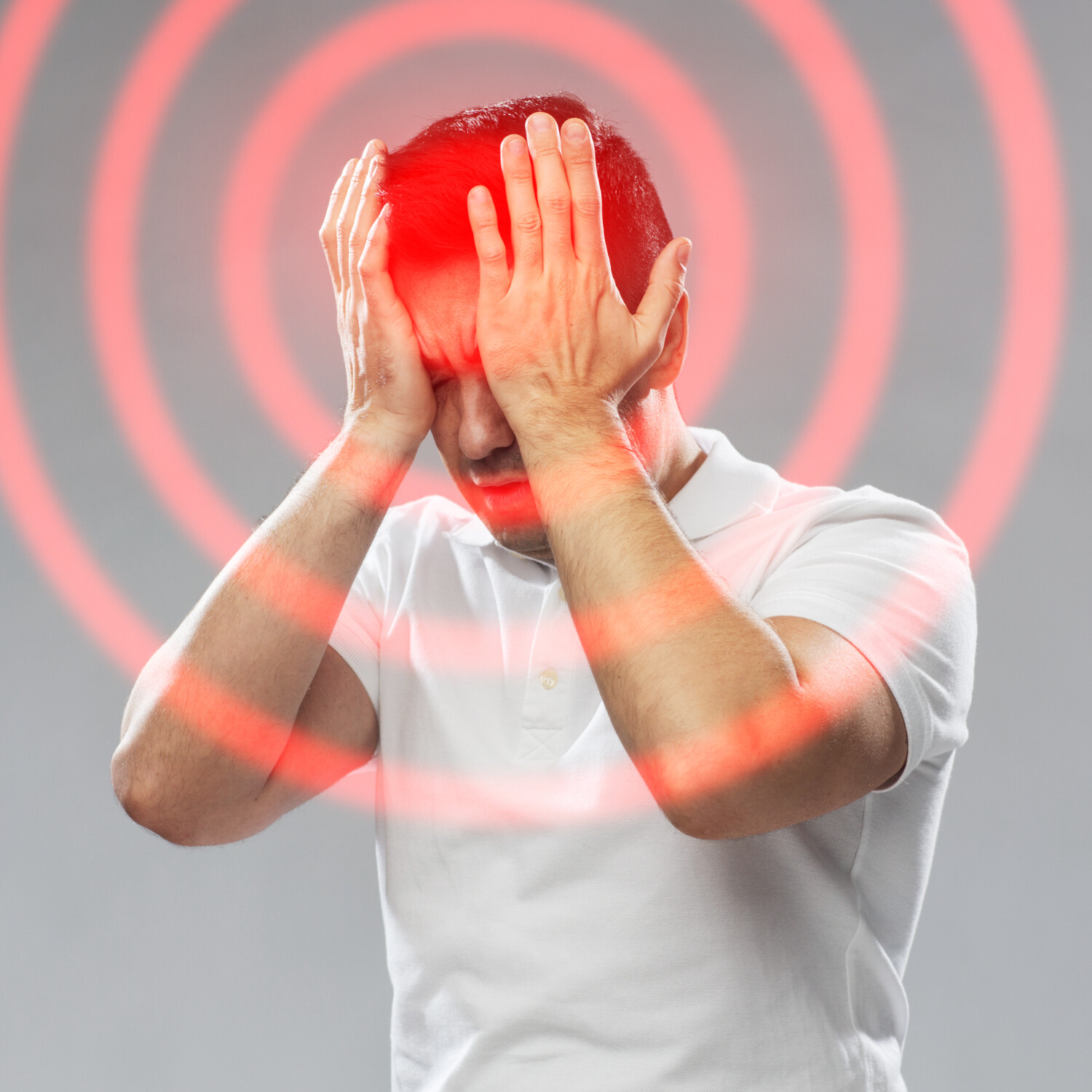
One of the body’s most influential alarm signals is a headache, which is often a sign of physical or psychological overload. A headache occurs because of a primary or secondary cause. Globally, it has been estimated that…
What Is A Narcissistic Personality Disorder [not-audio_url] [/not-audio_url]

Duration: 7:02
What Is Narcissistic Personality Disorder? Narcissistic Personality Disorder (NPD) is a condition marked by a pattern of grandiosity, fixation on power fantasies, desire for admiration, arrogance, lack of empathy, and en…
Smart, Effective Ways to Protect Yourself from Negativity. [not-audio_url] [/not-audio_url]

Duration: 3:01
Smart, Effective Ways to Protect Yourself from Negativity Negativity affects your life on every level. It can ruin relationships, decrease work performance, and increase stress levels. The good news is that you can fight…
Boost Your Self-Respect [not-audio_url] [/not-audio_url]

Duration: 9:41
Self-respect and respect from others are closely aligned. They are both something that everyone desires. Self-esteem is an admirable trait. It is something that we can recognize in another person by their actions, attitu…
How, to look after the most important person in your life. [not-audio_url] [/not-audio_url]

Duration: 5:30
How to look after the most important person in your life. Interestingly, one of the things that we typically feel guilty about is taking care of our own needs. It feels downright selfish to focus on yourself when there i…
What’s Love Got to Do With It [not-audio_url] [/not-audio_url]

Duration: 10:17
What’s Love Got to Do With It One way to define love is as a strong connection between two individuals. This relationship can be either romantic or platonic. Romantic love means that both parties are attracted to each ot…
Increase Trust in Yourself [not-audio_url] [/not-audio_url]

Duration: 2:25
Tips to Increase Trust in Yourself You may have a difficult time trusting yourself. Don’t despair. You are not alone. It is something that many people experience, and find difficult to overcome. When you lose trust in ot…
How to enhance your well-being [not-audio_url] [/not-audio_url]

Duration: 27:33
Feeling a bit down lately, maintaining a positive mood when life gives us lemons can be challenging. If you are feeling down, there are ways to help yourself feel better. Here are some natural remedies that will help lif…
What’s the Difference Between Introverts and Extroverts? [not-audio_url] [/not-audio_url]

Duration: 9:43
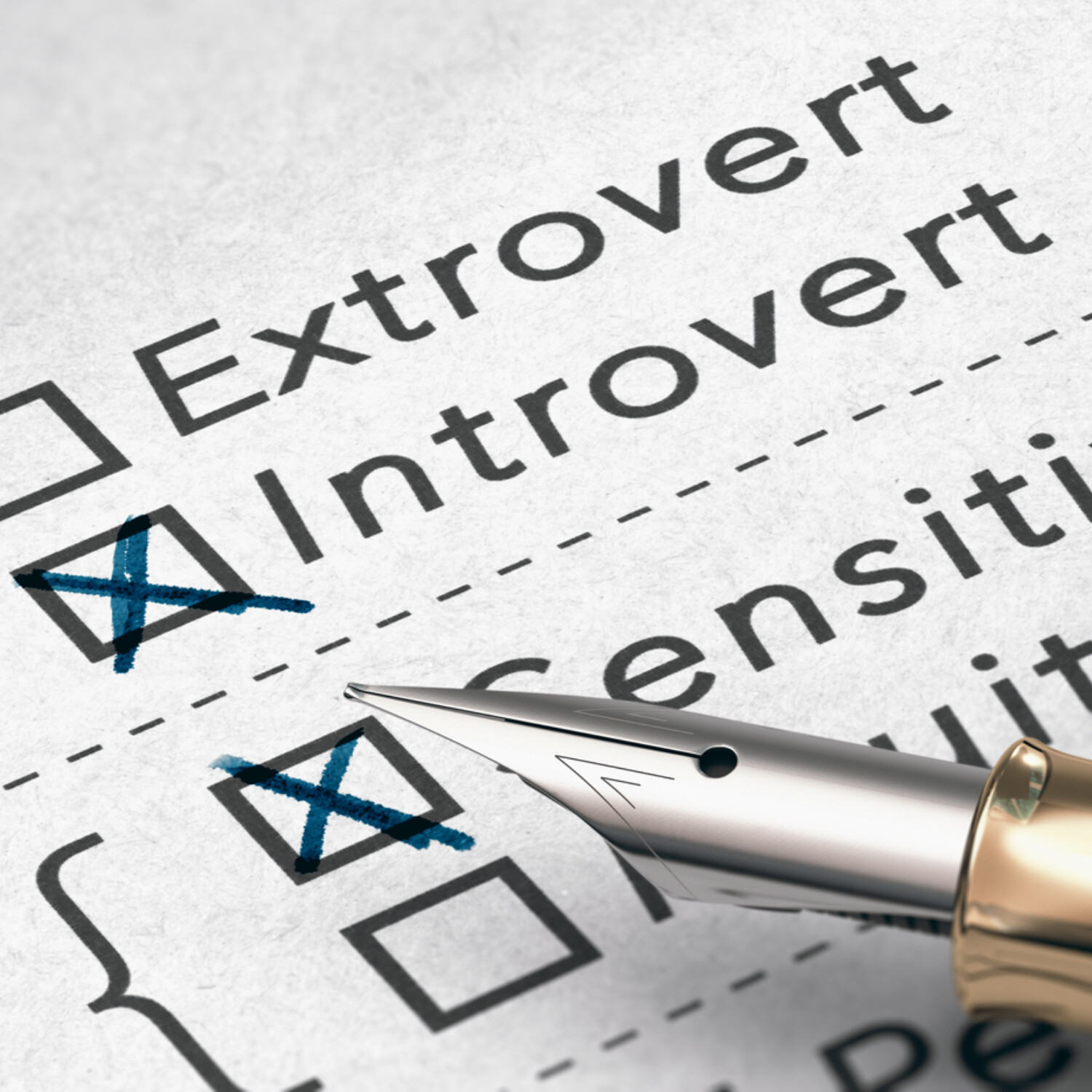
Extroverts and introverts are two types of people who generally prefer different activities, environments, and work styles. Extroverts tend to be more social and enjoy being around other people, and they seek stimulation…
Five Steps to More Confident Decision Making [not-audio_url] [/not-audio_url]

Duration: 2:21
Five Steps to More Confident Decision-Making How do you make a decision? Do you know the steps? If you’re having trouble feeling confident in your actions and wish you had an unwavering self-belief in your decisions, may…