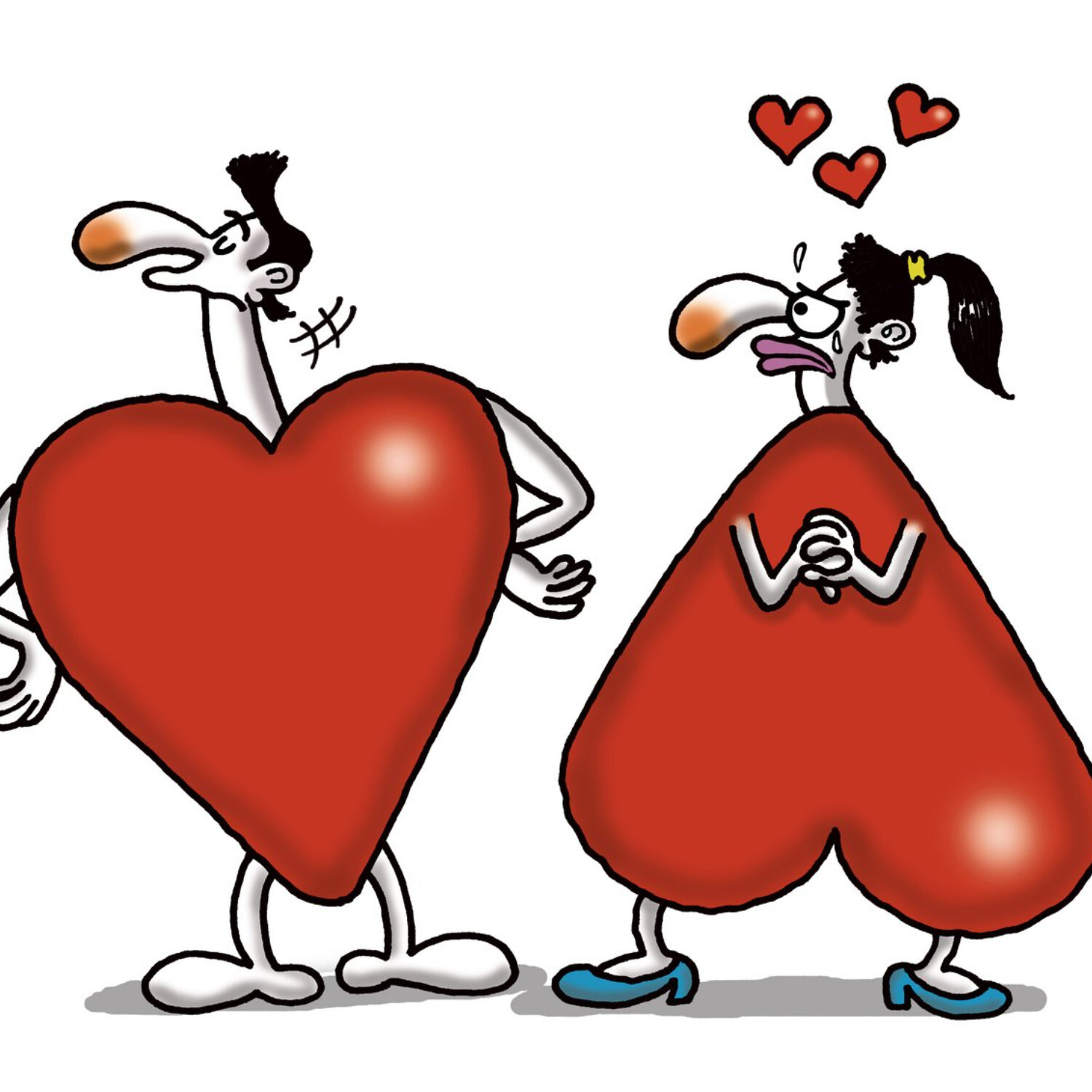
Your Body Language and Your Anger

Your Body Language and Your Anger

Author: Mental Health Training Information November 20, 2021 Duration: 3:04

Your Body Language and Your Anger

Did you know that your body language can often display your anger before you do so verbally?

While you may know this, it is a fact that is regularly overlooked by many, which is why it is essential to understand what non-verbal communication is and how it can affect your relationships. 

How many times have you stopped speaking to someone because they ticked you off?

Lots probably, this is a classic sign of non-verbal communication.

Other types of non-verbal communication include: 

  • The amount of eye contact you make with someone
  • Your gestures
  • How you sit or stand
  • How close you position yourself to someone
  • How loud you speak

Have you ever been accused of sending mixed signals to someone?

This is when what you say and your actions do not match.

So the person on the other end is perplexed and are unsure of how you feel. This can also lead to people not trusting you, as you never mean what you say. 

If you tend to be angrier, you may often make sharp gestures, talk loudly, and prefer to sit alone.

If you are in a relationship, this will only send negative vibes to the other person. 

It would be best if you learned how to reduce your non-verbal communication by improving your actions first. This can be done by learning to speak in a softer tone of voice, sitting closer to your partner, and making eye contact.

Learn to control your gestures by not flinging your arms around or talking with your hands. Many people are guilty of this without even realising it. 

You may want to practise in front of a mirror. Then you can see if you tend to shift from leg to leg. Or if you move your arms around like crazy.

Maybe you always look down at the ground when speaking. 

These are all items that can be improved on with a bit of practice. Once you have this under control, you will not come across as an angry person all the time.

You may find that you even feel less angry yourself. Amazingly, you can feel angry just because you know people perceive you in this way! 

Keep in mind that showing your anger is not always done with words but by your body language. Improving your body language will ultimately help you feel less likely to speak out in wrath unnecessarily. 

Learn more..........


We all navigate a world that constantly tests our emotional and psychological resilience, yet practical guidance on maintaining mental well-being can feel scattered or overly clinical. Mental Health Training cuts through the noise, offering grounded conversations that connect the dots between personal fitness, our cultural environment, and the health of our relationships. Hosted by Mental Health Training Information, each episode functions like an accessible workshop, translating complex psychological concepts into everyday language and actionable strategies. You’ll hear discussions that range from managing daily stressors and building emotional fitness to understanding how societal pressures shape our individual mental landscapes. This isn't about quick fixes; it's about cultivating a sustainable, informed approach to your inner life. The podcast draws from a broad spectrum of expertise, reflecting its roots in education and society, to provide listeners with a comprehensive toolkit. Tune in for a thoughtful blend of personal stories, expert insights, and practical exercises designed to strengthen your mental framework. Find more depth and continue the conversation beyond the audio by visiting the show's website for extended resources. This is a space for anyone looking to move beyond awareness and into the practice of genuine mental health training.
Author: Language: English Episodes: 100

Mental Health Training
Podcast Episodes
Mental Health in Literature 6 [not-audio_url] [/not-audio_url]

Duration: 24:45
The following book reviews contain a mental health study on personality disorder. The first is mummy’s boy Norman; seconds out, round two is a private gentleman's club activity swirling out of control; after all, men wil…
Mental Health in Literature 5. [not-audio_url] [/not-audio_url]

Duration: 7:32
To Kill a Mockingbird, a 1960 novel by Harper Lee, is an iconic masterpiece set in the 1930s Deep South that confronts American society's deep-seated prejudices and injustices. Positioned in the racially divided town of…
Understanding the Dichotomy of Control: A Stoic’s Guide to Serenity [not-audio_url] [/not-audio_url]

Duration: 48:09
Have you ever found yourself at the mercy of a situation, feeling like a leaf tossed in the wind? This is where the dichotomy of control steps in, offering a lifeline to clarity and calm in the chaos of life. It's a simp…
Mental Health In Literature, Part 4 [not-audio_url] [/not-audio_url]

Duration: 24:13
Today's articles look at the darker side of love with abuse that requires reflection and consideration for the reader to contemplate. The 1955 novel Lolita, by Vladimir Nabokov, a Russian-American novelist, handles the c…
Mental Health In Literature, Part 3 [not-audio_url] [/not-audio_url]

Duration: 19:53
Our previous session discussed how literature and the media manipulated public opinion and shaped people’s beliefs and behaviours. Today, we have a closer look at Fake News. The Obsessive-Compulsive Disorder Spectrum and…
Obsessive Love [not-audio_url] [/not-audio_url]

Duration: 13:53
Obsessive love can be described as an intense and overwhelming feeling of love towards someone, which can lead to controlling behaviour and possessiveness. It often involves an unhealthy attachment to the other person an…
Mental Health In Literature, Part 2: [not-audio_url] [/not-audio_url]

Duration: 25:07
The previous article briefly discussed how the power of literature was a deadly weapon through newspapers, radio, and other media outlets, used in antisemitic propaganda by Adolf Hitler to dehumanise and vilify his enemi…
Literature in the field of mental health? [not-audio_url] [/not-audio_url]

Duration: 9:56
I proposed that books allow the individual to learn from their reading experiences and bibliotherapy to be the focus of therapy and self-reflection. Photography was suggested as a tool for conveying emotion and channels…
The World of Literature on Mental Health: Part One. [not-audio_url] [/not-audio_url]

Duration: 10:26
Our previous article briefly looked into the World of literature on mental health. We considered the early inclusion of mental health literature available to our young minds by viewing Christopher Robin’s friends and his…