We mark the premiere performance, on February 20, 1816 – 207 years ago today – of Gioachino Rossini’s comic opera masterwork, The Barber of Seville, at Rome’s famed Teatro Argentina.
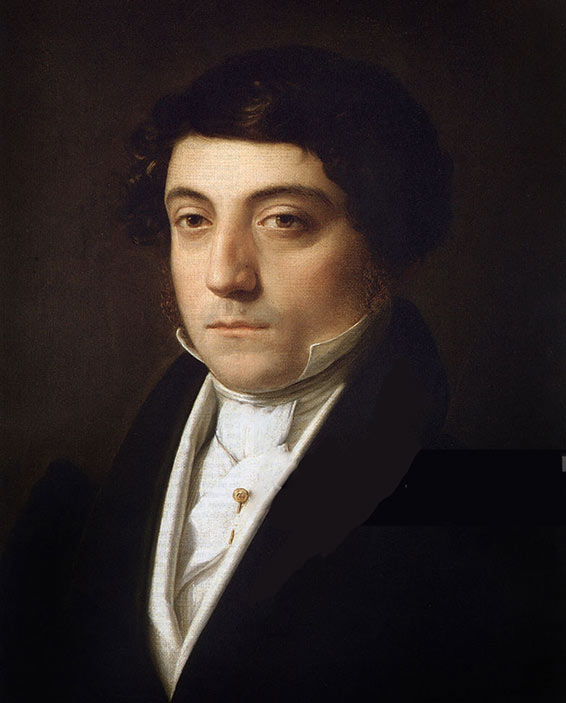
Gioachino Antonio Rossini (1792-1868) in 1815 by Vicenzo Camuccini
The Natural
Gioachino Antonio Rossini was born on February 29 (bummer of a birthday!), 1792 in the Italian city of Pesaro, on the Adriatic Sea. He died of colorectal cancer on November 13, 1868, in his villa in Passy, which today is located in Paris’ chic, 16tharrondisement.
He was the only child of Giuseppe Rossini (1758-1839) and Anna (née Guidarini) Rossini (1771-1827).
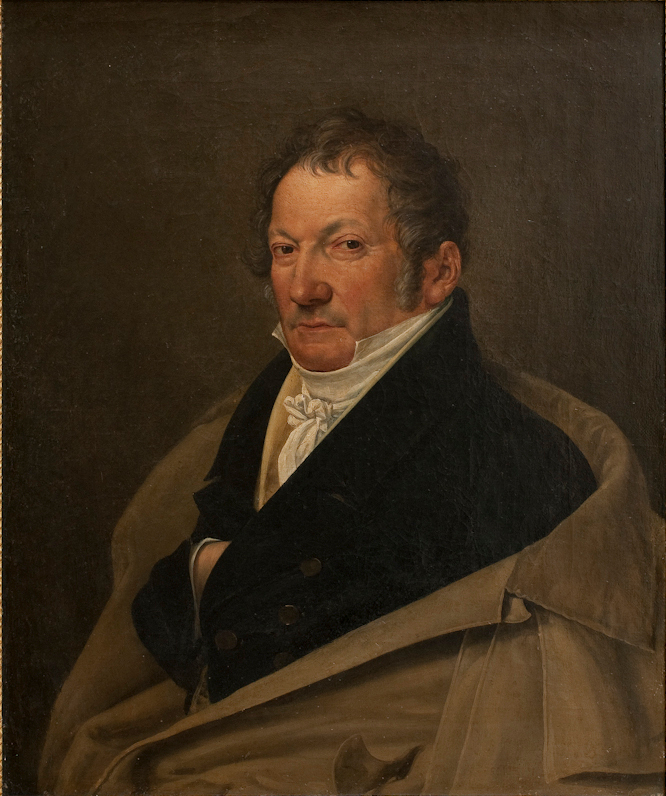
Giuseppe Rossini (1758-1839)
Rossini’s father Giuseppe was a professional trumpet and horn player, and as such was Gioachino’s first music teacher. (The adult Rossini liked to say that:
“Sono figlio di corna,” “I am the son of a horn!”)
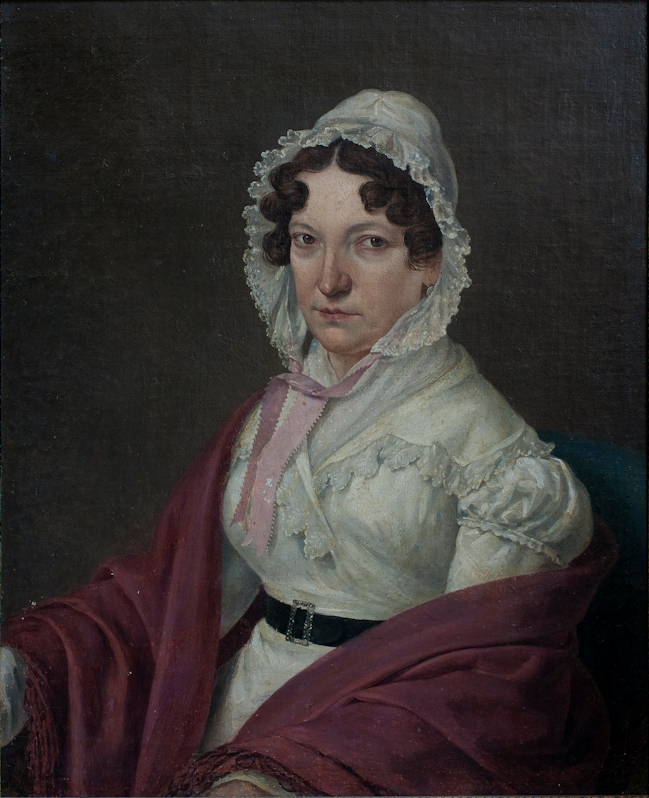
Anna (née Guidarini) Rossini (1771-1827)
“Son of a horn” he might have been, but when it came to his real musical education, it was as the son of an opera singer. Rossini’s mother Anna was, at the time of his birth in 1792, a seamstress by trade. But changes in Italian society allowed her to make a second career as a professional singer. According to Rossini’s biographer Richard Osborne (Rossini; Oxford University Press):
“Italian Society began to change in the late 1790s, not least in the arts, where a process of democratization set in. Admission to academic institutions became easier for ordinary folk; new music was encouraged from a wider variety of sources; ticket prices fell; women found it easier to take paid employment on the stage. The last development had enormous repercussions for the Rossini family, as it allowed Anna Rossini to earn useful money as a singer.”
According to her son Gioachino, Anna Rossini was a “natural,” with a voice, to quote her son:
“as sweet as her appearance.”
She wasn’t able to read music, but like her son Gioachino, she had a phenomenal musical memory. All together, she mastered and performed 15 roles, all of them from comic operas.
Anna Rossini began her singing career in the 1797-1798 season at Ancona’s Teatro della Fenice, where she performed as the second soprano in operas by Giovanni Paisiello (1740-1816), Domenico Cimarosa (1749-1801), and Giovanni Battista Martini (1706-1784). She concluded her career in the fall of 1808 as the prima donna assoluta (“the absolute first lady”: the starring soprano) at the Teatro Communale in Bagnacavallo, a town about 50 miles northwest of Pesaro.
By the time Gioachino was ten years old, he was going on tour with his mother, watching rehearsals from the house and following performances from backstage. It was a musical and operatic education like no other, and by the age of 13, he was hooked: he was a person of the theater.
As it turned out, Anna wasn’t the only musical “natural” in the Rossini clan. …
Every week, Music History Monday arrives with the kind of curiosity that turns dates on a calendar into doorways. Hosted by composer and historian Robert Greenberg, this podcast digs into the stories that happened *around* the music, finding the human moments-sometimes profound, sometimes scandalous, always fascinating-tied to a specific Monday. Greenberg approaches his subjects not as distant icons but as the complicated, brilliant, and often messy people they were, which makes each episode feel like a conversation rather than a lecture. You’ll hear about pivotal premieres, bitter rivalries, unexpected inspirations, and the sheer luck or misfortune that shaped the pieces we know today. The tone is erudite but never dry, packed with context and delivered with a wit that respects the art without putting it on a sterile pedestal. It’s for anyone who loves a good story and suspects that the history behind a symphony or a sonata is just as compelling as the notes themselves. Tune in each Monday with Robert Greenberg to connect the dots between a day in history and the soundtrack it inspired.
Author: Robert Greenberg
Language: en-us
Episodes: 100
Frontispiece to the Harmonice musices odhecaton A, published on May 15, 1501 On May 15, 1501 – 522 years ago today – the first polyphonic (that is, multi-part) music printed using moveable type was released to the public…