105 _ Christopher Schaberg _ 'Adventure'

105 _ Christopher Schaberg _ 'Adventure'

Author: Sean Lally January 30, 2024 Duration: 53:51

Sometimes it's only through repetition and time that insight into your actions are revealed. This might come about because aspects of those actions aren't always fully intentional. When it comes to Night White Skies, I firmly believe to be routed in architecture, but I've heard it described by others as often drifting beyond this topic But what I've come to appreciate more and more over time is the importance of a 'hunch'. The idea that experience over time offers you the ability to see patterns and outcomes enough times that when an opportunity presents itself, you can see value within. A 'hunch' that pivoting in an unexpected direction can offer insight and opportunity. And so, when Night White Skies 'drifts' beyond architecture explicitly, I like to think it's because I'm playing a 'hunch'.  

This extended introduction has now of course put unnecessary attention on my guest today, so I apologize for that. But Christopher Schaberg has been on this program before so I already knew this would be a rewarding conversation The title of Chris's latest book is 'Adventure, an Argument for Limits', and it's this title, 'Adventure' that drew my attention and what I wanted to explore more regarding architecture. Do we need more adventure in architecture and what exactly would that entail? 

To go on an adventure requires risks, setbacks, you might even get lost. But in return you end up somewhere physically, ideologically or emotionally elsewhere? You have changed. In this case, architecture has changed.  

So, what was my hunch here today? I'm not sure if it's due to architecture's disciplinary training and education or its position in various industries but architecture relies heavily on presenting ideas as the correct one! As inevitable, as the obvious solution. When thinking of the plethora of pressures facing humanity today, the architect continues the showmanship of presenting right answers and declaring which are the rights paths to follow. And I of course understand the economic reasoning for why this is at least partially necessary. No client wants to spend millions of dollars to deliver a project that 'might' work 

With the shear complexity of issues today related to climate, social justice, healthcare, communication technologies, how can we so consistently claim to have right answers and paths to follow? On an adventure, it's the mishaps, wrong turns, and reflection that help us reorient not only where we thought we wanted to go but our understanding of where we started.  

What I find unique about adventures is how you talk about them. The way in which you retell an adventure to others, sharing experiences and knowledge learned. You include others in your adventure simply by retelling them. Adventures are somehow collective. But it increasingly feels as if architects desire to lay claim to territory as some form of demonstration of disciplinary or personal control has instead splintered the discipline into a thousand fiefdoms with no kingdom to speak of. Laying claim to territory has impinged on the ability to wander. Wandering with purpose would be nice. It always seems like a good idea to go on an adventure, but for architecture now, it seems like it might actually be necessary.  

Christopher Schaberg is Director of Public Scholarship at Washington University in St. Louis, and the author of nine books, including The End of Airports, Pedagogy of the Depressed, Fly-Fishing, and most recently Adventure: An Argument for Limits. Schaberg is also a founding co-editor of Object Lessons, a book series dedicated to the hidden lives of ordinary things.   


You can find all episodes at www.NightWhiteSkies.com 

Thoughts or suggestions, email me at NWS@seanlally.net 

Instagram  


In a world where the very ground we stand on and the bodies we inhabit are becoming malleable territories for design, Night White Skies offers a necessary space for conversation. Host Sean Lally guides these discussions, which venture far beyond traditional architectural discourse to ask what kind of future we are actually building. This podcast thrives on the friction and insight generated by bringing together an unexpected mix of voices-from philosophers and scientists to policy makers and science fiction authors. You’ll hear how a cultural anthropologist’s research on ritual intersects with a material scientist’s work on smart environments, or how a novelist’s vision of tomorrow clarifies the ethical dilemmas faced by urban planners today. Each episode is a deep, meandering exploration, avoiding easy answers in favor of nuanced, often surprising connections. The aim is to piece together a broader, more complex picture of the transformations currently unfolding around and within us. By engaging with such a diverse range of thinkers, the Night White Skies podcast doesn't just report on change; it actively participates in the difficult, essential work of imagining what comes next.
Author: Language: English Episodes: 108

Night White Skies
Podcast Episodes
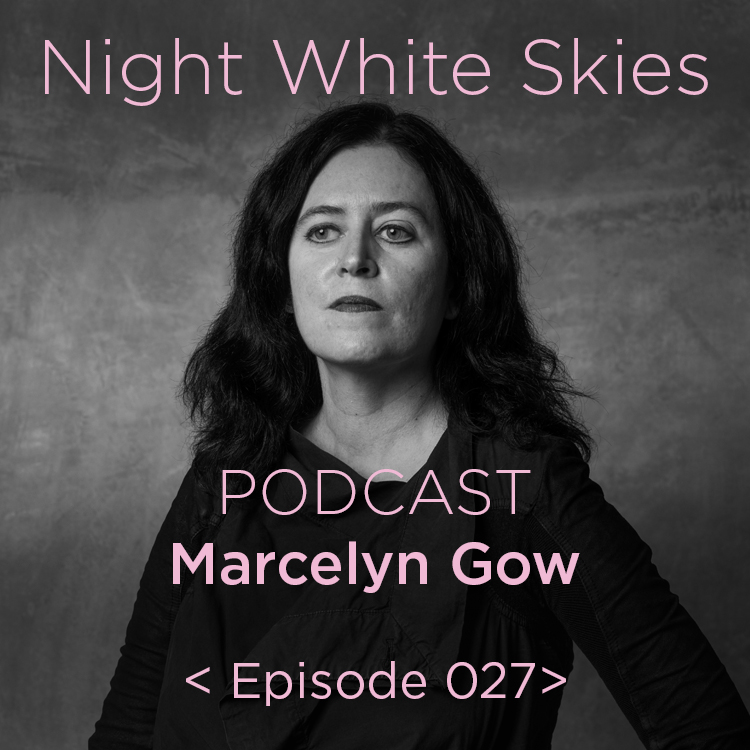
Ep. 027 _ Marcelyn Gow _ 'The Shape of Information' [not-audio_url] [/not-audio_url]

Duration: 48:56
This week is a conversation with Marcelyn Gow. Marcelyn is an architect and principle of Servo Los Angeles, She received her Architecture degrees from Architectural Association in London, Columbia University and her Doct…
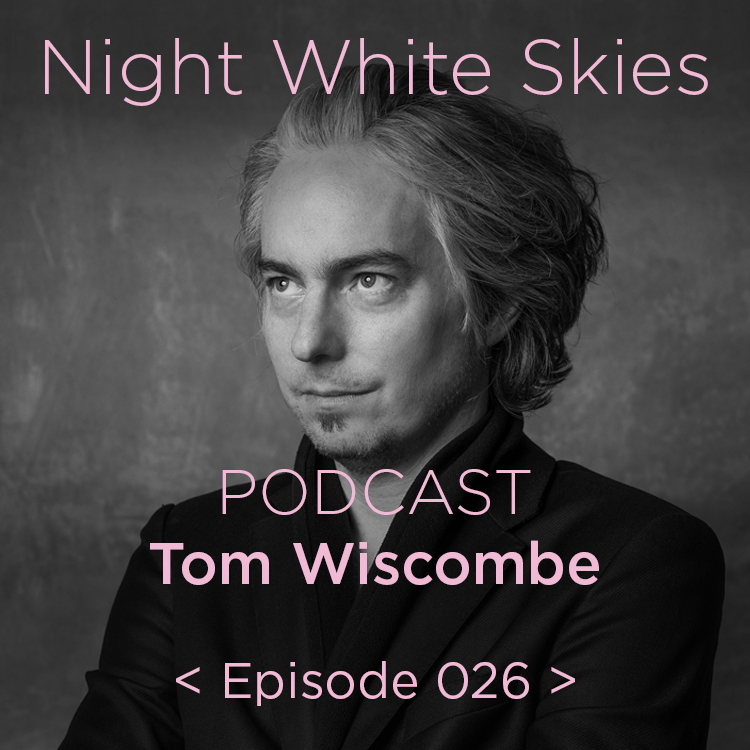
Ep. 026 _ Tom Wiscombe _ 'A More Robust Discipline' [not-audio_url] [/not-audio_url]

Duration: 44:46
Tom Wiscombe is Principal of Tom Wiscombe Architecture which is currently planning the Main Museum of Los Angeles Art with Developer Tom Gilmore in Downtown LA. As well as the West Hollywood Belltower on Sunset Blvd in L…
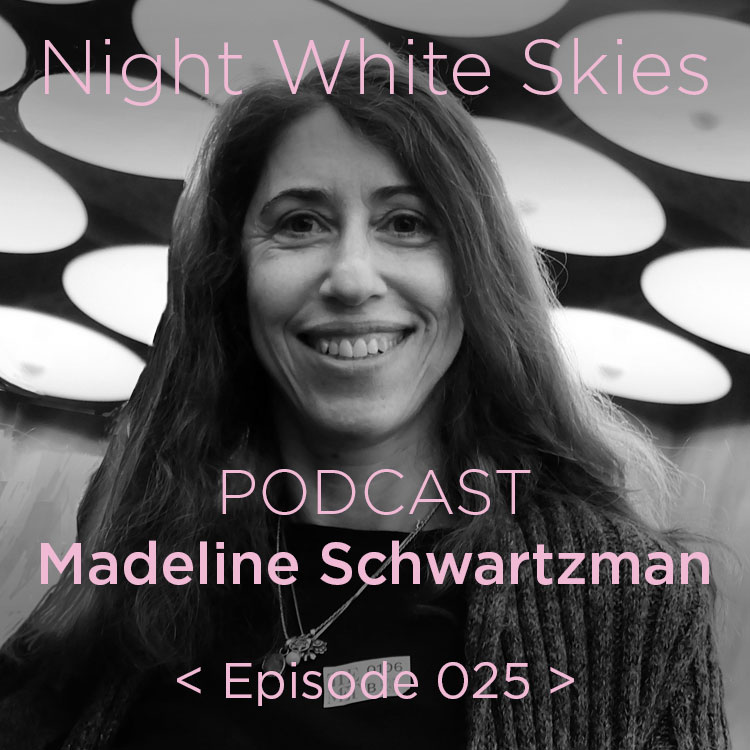
Ep. 025 _ Madeline Schwartzman _ 'See Yourself X' [not-audio_url] [/not-audio_url]

Duration: 43:52
Madeline Schwartzman is a New York City writer, filmmaker and architect whose work explores human narratives and the human sensorium through social art, book writing, curating and video making. Her two books 'See Yoursel…
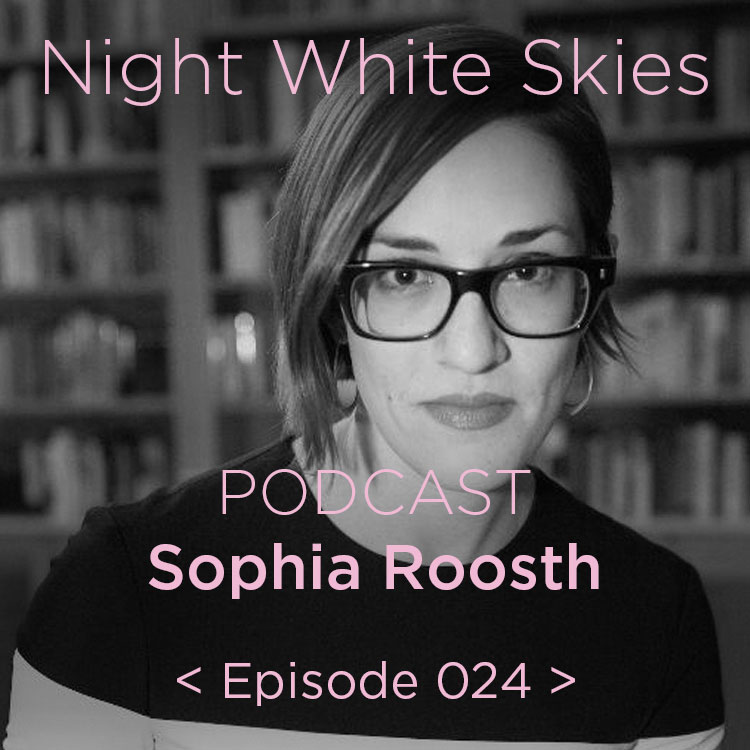
Ep. 024 _ Sophia Roosth _ 'Synthetic Life' [not-audio_url] [/not-audio_url]

Duration: 1:01:34
Sophia Roosth is the Frederick S. Danziger Associate Professor in the Department of the History of Science at Harvard University. We discuss her book 'Synthetic, How Life Got Made'.
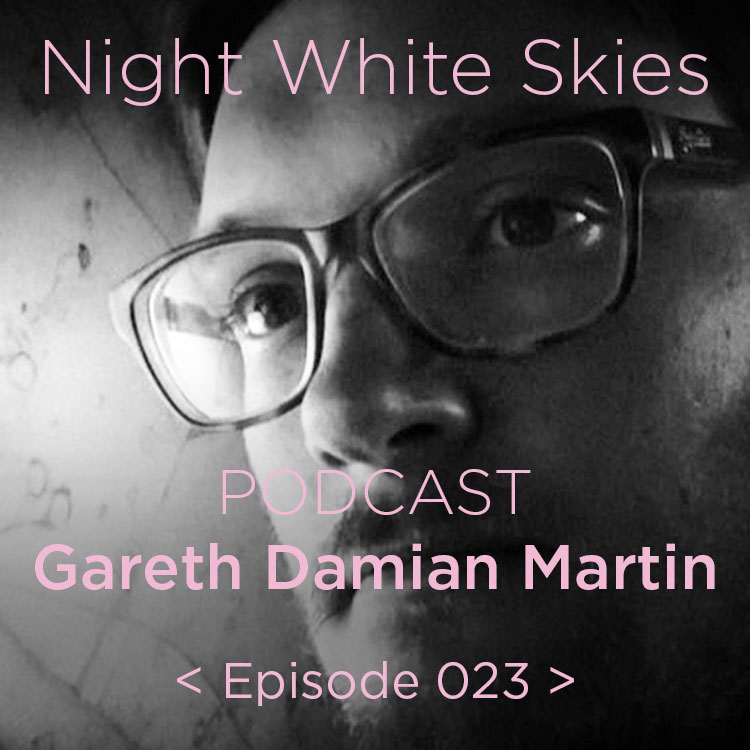
Ep. 023 _ Gareth Damian Martin _ ''Gaming & Speculative New Worlds' [not-audio_url] [/not-audio_url]

Duration: 1:00:23
Gareth Damian Martin is the creator and editor of Heterotopias, a project focusing on the spaces and architecture of virtual worlds. Heterotopias is both a digital zine and website, hosting studies and visual essays that…
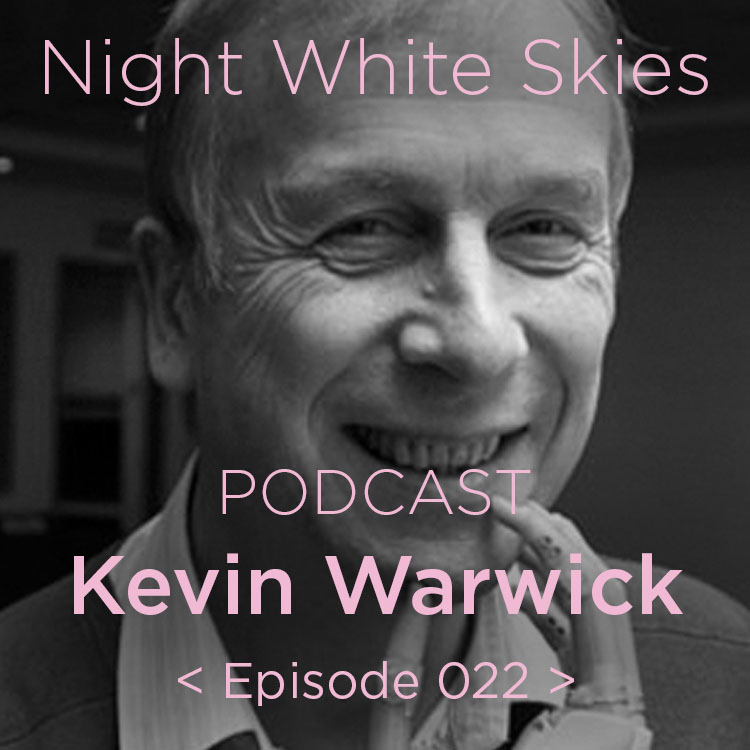
Ep. 022 _ Kevin Warwick _ 'New Sensory Perception' [not-audio_url] [/not-audio_url]

Duration: 55:49
Kevin Warwick's research areas include artificial intelligence, robotics and biomedical engineering. Kevin Warwick is Deputy Vice-Chancellor (Research) at Coventry University. Prior to that he was Professor of Cybernetic…
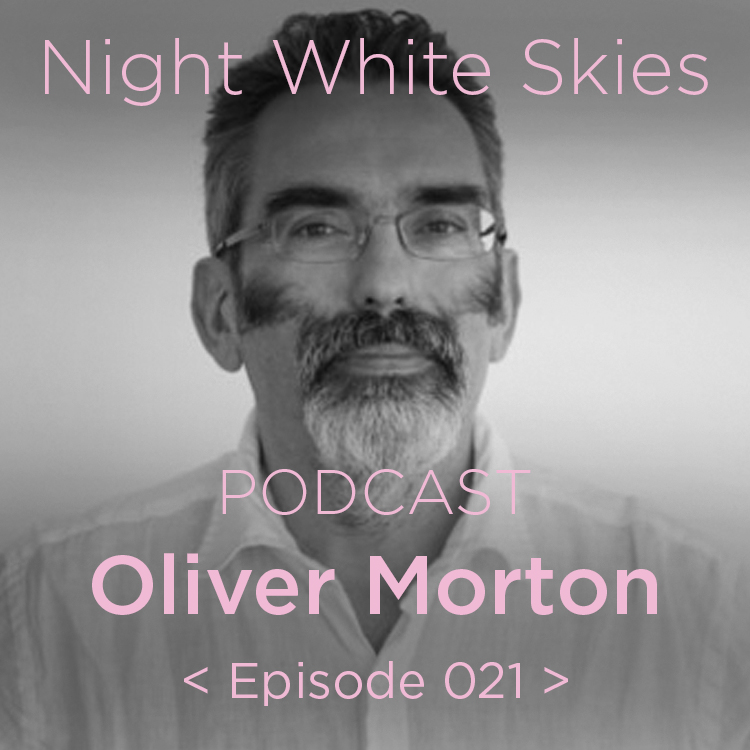
Ep. 021 _ Oliver Morton _ ' The Planet Remade' [not-audio_url] [/not-audio_url]

Duration: 1:02:23
Oliver Morton is The Economist's briefings editor. Before coming to The Economist as energy and environment editor in 2009, he was the chief news and features editor of Nature, the international scientific journal. He is…
Ep. 020 _ Jesse LeCavalier _ 'The Rule of Logistics' [not-audio_url] [/not-audio_url]

Duration: 1:12:31
Jesse LeCavalier is a designer, writer, and educator whose work explores the architectural and urban implications of contemporary logistics. He is assistant professor of architecture at the New Jersey School of Architect…
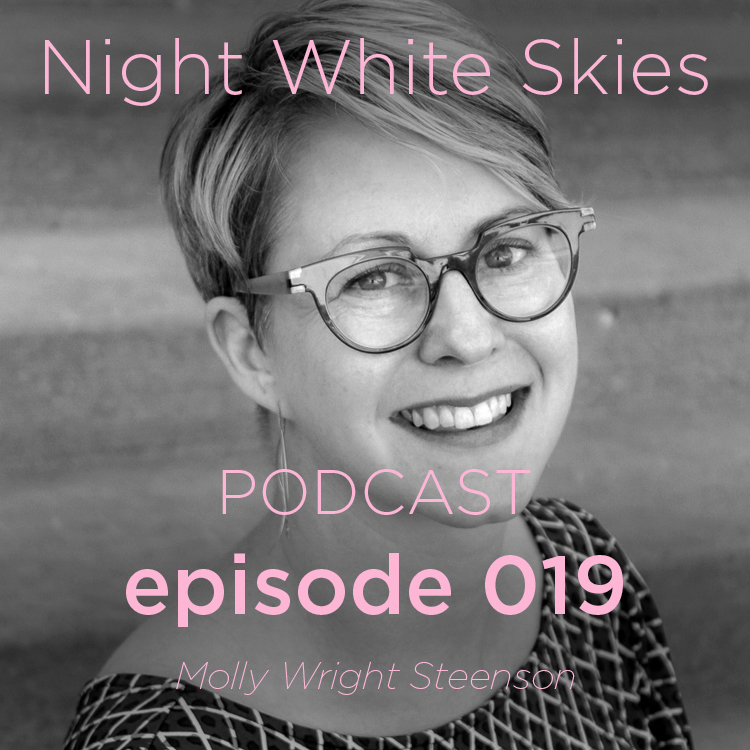
Ep. 019 _ Molly Wright Steenson _ 'Cedric Price's Influence' [not-audio_url] [/not-audio_url]

Duration: 46:29
On this episode we discuss the architect Cedric Price and the influence of his work and strategies today. Molly Wright Steenson is a designer, writer, and international speaker whose work focuses on the intersection of d…
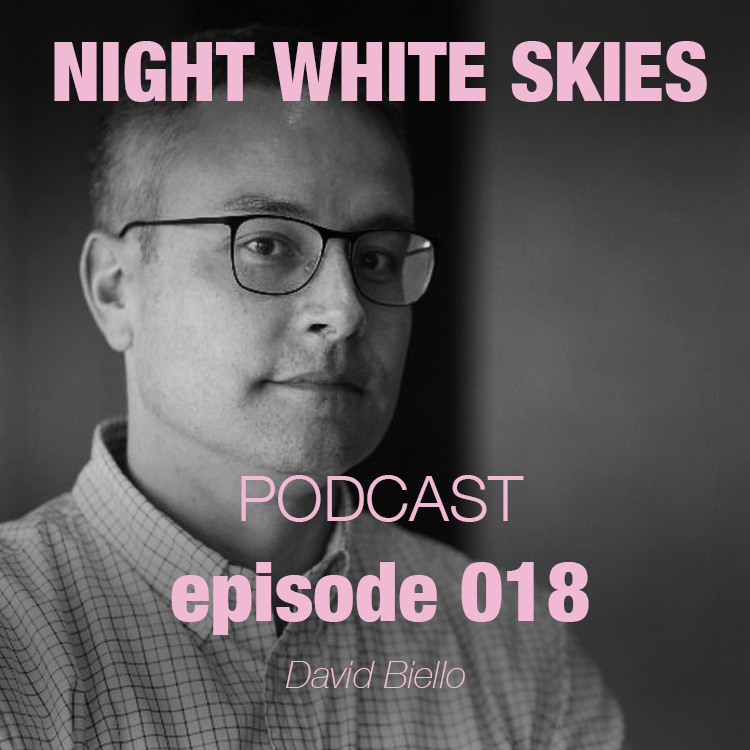
Ep. 018 _ David Biello _ 'The Unnatural World' [not-audio_url] [/not-audio_url]

Duration: 48:15
David Biello is an award-winning journalist who has been reporting on the environment and energy since 1999. He is currently the science curator for TED Talks and a contributing editor at Scientific American, where he ha…