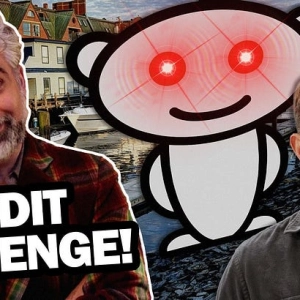
Graham Plattner’s campaign is running into the kind of problem that feels very 2026, even if the source material is more than a decade old. His Reddit history, which might have once been shrugged off as niche internet noise, now looks like a liability with real teeth. The difference is not just that the posts exist, it’s how easily they can be repackaged. With AI tools, those old comments are no longer stuck as screenshots on opposition research blogs. They can be turned into polished ads, delivered in his own voice, and made to feel immediate in a way that text alone never could.
That shift raises the stakes for what would otherwise be a fairly standard controversy. Plattner isn’t just dealing with awkward old posts, he’s dealing with a narrative that can be replayed, amplified, and dramatized on demand. Campaigns used to prioritize video and audio because they felt authentic. Now, authenticity can be manufactured from written records, and that blurs the line in a way that’s hard for candidates to counter. You can apologize for something you wrote, but it’s a lot harder to respond when that same thing is suddenly circulating as if you just said it yesterday.
Politics Politics Politics is a reader-supported publication. To receive new posts and support my work, consider becoming a free or paid subscriber.
What really puts him in a bind is how this intersects with the tattoo issue. His defense has been that he didn’t fully understand the symbolism at the time, but the Reddit activity suggests he was at least familiar with the debate years earlier. That tension is exactly the kind of thing opponents look to exploit. It doesn’t require voters to dig through details, it just asks a simple question that sticks: which version is true? Campaigns love that kind of contrast because it’s easy to communicate and hard to shake once it lands.
There’s also a political instinct test happening here, and Republicans are not being subtle about how they feel. They want this matchup. When the other side is openly enthusiastic about running against you, it’s usually not because they’re worried. It’s because they think they’ve already got the outline of an effective attack. Plattner’s past gives them material, and the new tools available give them a way to present it that feels sharper and more persuasive than it might have even a few years ago.
Stepping back, this feels like one of those races that ends up being about more than just the candidates involved. It’s a preview of how campaigns are evolving in real time. The internet has always been a permanent record, but now it’s also a fully searchable, fully reusable script. Anything a candidate has written can be pulled forward, recontextualized, and dropped into the current moment with very little friction. Plattner may still find a way through it, voters don’t always react the way campaigns expect, but if nothing else, he’s becoming an early test case for what happens when the entire online past becomes fair game in a much more vivid way.
Chapters
00:00:00 - Intro
00:05:33 - Graham Platner’s Reddit
00:14:38 - Iran Ceasefire
00:18:46 - Virginia Redistricting
00:22:05 - Secret Service Upgrades
00:24:37 - J.D. Durkin on AI, Iran, and the Economy
01:04:04 - Wrap-up
This is a public episode. If you'd like to discuss this with other subscribers or get access to bonus episodes, visit
www.politicspoliticspolitics.com/subscribe