A regenerative model of academic research to connect with farmers, with Jonathan Lundgren

A regenerative model of academic research to connect with farmers, with Jonathan Lundgren

Author: Oliver Goshey June 13, 2025 Duration: 1:01:58
There often seems to be an unfortunate disconnect between farmers in the field and the researchers and academics involved with agronomic study. I often hear in the discussions in the climate farmers community about how academic studies don’t reflect the reality in the field, or that the ivory tower of academia is out of touch with the farms and situations they study. As I've made more connections in universities and research programs, I find that academics are aware of this too and are concerned about this lack of communication and the barriers between these sections of the industry that should be in closer collaboration. I’ve often wondered what an integrally connected research sector and farm culture could look like. Would researchers be a regular presence in the field and rural communities with close friendships and collaborations with farm owners and workers alike? Would this mean more farmers conducting their own studies and experiments and sharing the findings with universities and peers as they receive guidance and recognition for their contributions?Maybe a journeyman farmer trade apprenticeship could include research and experimentation training as well as communications of findings and a more holistic approach to farm study.The good news is that many of these ideas are not that far fetched and are being explored in various ways by Dr. Jonathan Lundgren who is an agroecologist, beekeeper, farmer, Executive Director of Ecdysis Foundation, and CEO for Blue Dasher Farm. Lundgren’s research and education programs are helping applied science evolve in ways that foster the evolution of a regenerative food system. He regularly interacts with the public and farmers around the world regarding ecologically intensive farming and how biodiversity fuels the resilience and productivity of an agroecosystem and rural communities.In this episode Jonathan shares his journey from being a suburban biology enthusiast turned USDA scientist, to becoming a farmer and regenerative scientific researcher. We discuss the challenges and successes of managing a diverse farm at Blue Dasher Farm, which integrates native prairie, wetlands, and various crops and animals. Jonathan emphasizes the importance of biodiversity, community, and the limitations of conventional scientific metrics in truly understanding and enhancing agricultural systems. He also describes his innovative approaches to research, focusing on real-world data collection from thousands of farms, and advocating for a more relational and context-specific approach to both farming and science.

What does it mean to live a regenerative life, and how do we actually do it? That's the central question explored in Regenerative Skills, hosted by Oliver Goshey. This isn't just about theory; it's a practical dialogue focused on stewardship of the natural world and fostering strong, resilient communities. Every week, Oliver brings conversations with a diverse range of global experts right to your ears, translating their knowledge into actionable steps you can integrate into your daily habits. You'll hear tangible strategies for everything from soil health and sustainable food systems to building local networks and re-skilling ourselves for a better future. The aim is to move beyond sustainability toward active regeneration, providing the tools and perspectives needed to make a tangible difference right where you are. Tune into this educational podcast for a grounded, hopeful, and deeply informative journey. Together, these discussions build a comprehensive guide for anyone looking to heal their relationship with the environment and their neighbors, proving that positive change is woven from countless small, intentional actions.
Author: Language: en-us Episodes: 100

Regenerative Skills
Podcast Episodes
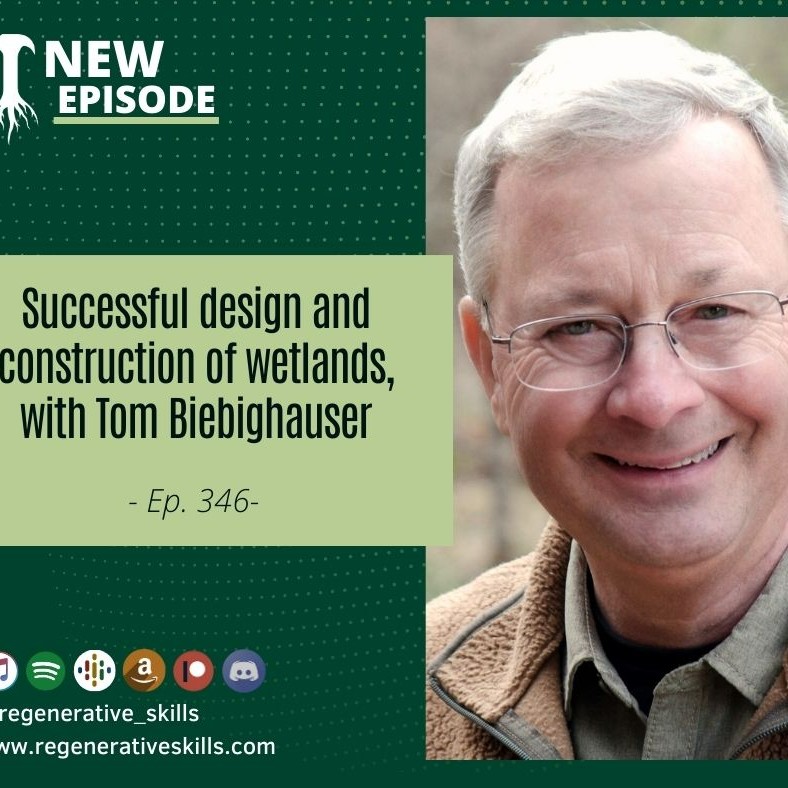
Successful design and construction of wetlands, with Tom Biebighauser [not-audio_url] [/not-audio_url]

Duration: 1:37:52
One of the most crucial natural environments for the health and stability of landscape hydrology are wetlands. They also usually happen to be areas of the highest density of wildlife and biodiversity when they are health…
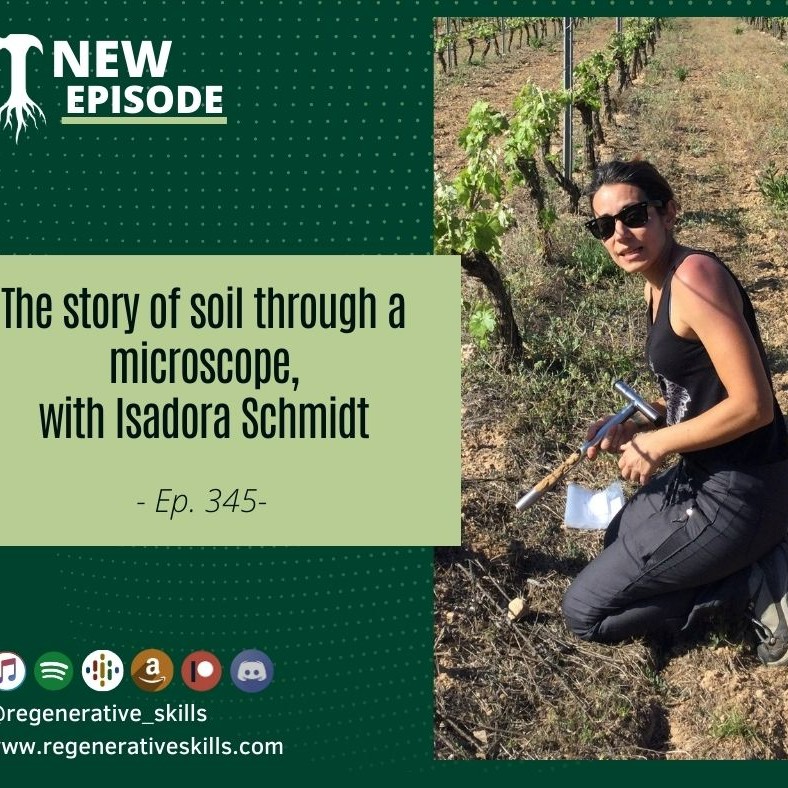
The story of soil through a microscope, with Isadora Schmidt [not-audio_url] [/not-audio_url]

Duration: 1:01:48
Continuing with my series highlighting badass local people around my community here in Spain, I was really pleased to be able to share this conversation that I had with a new close friend of mine and soil health advocate…
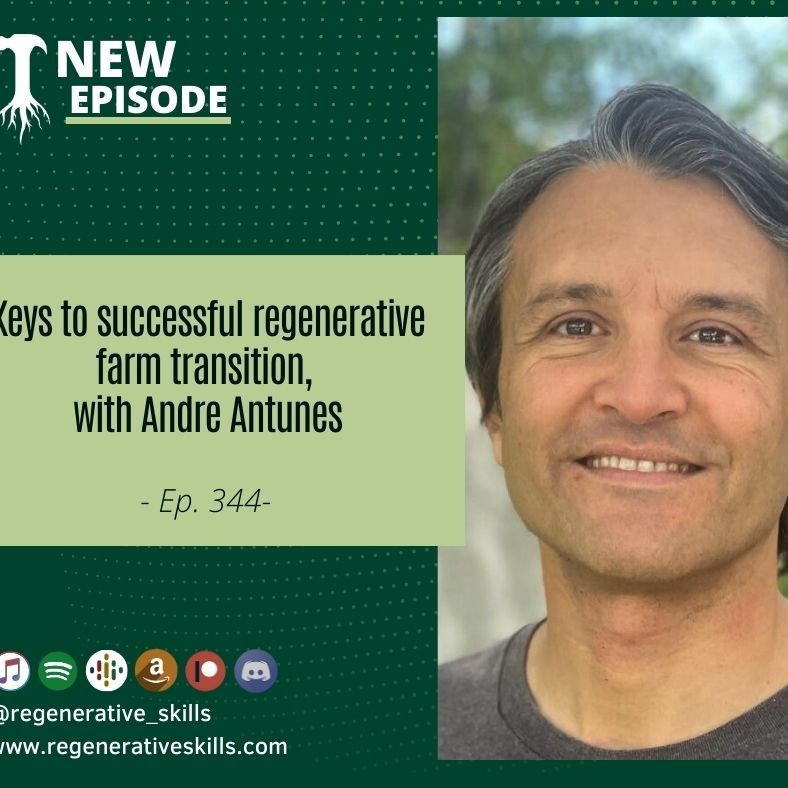
Keys to successful regenerative farm transition, with Andre Antunes [not-audio_url] [/not-audio_url]

Duration: 1:11:45
I have to admit, there is an unsung hero behind many of my favorite interviews of the past couple years. Connections and recommendations to some of the people who I’ve learned the most from in some recent discussions wit…
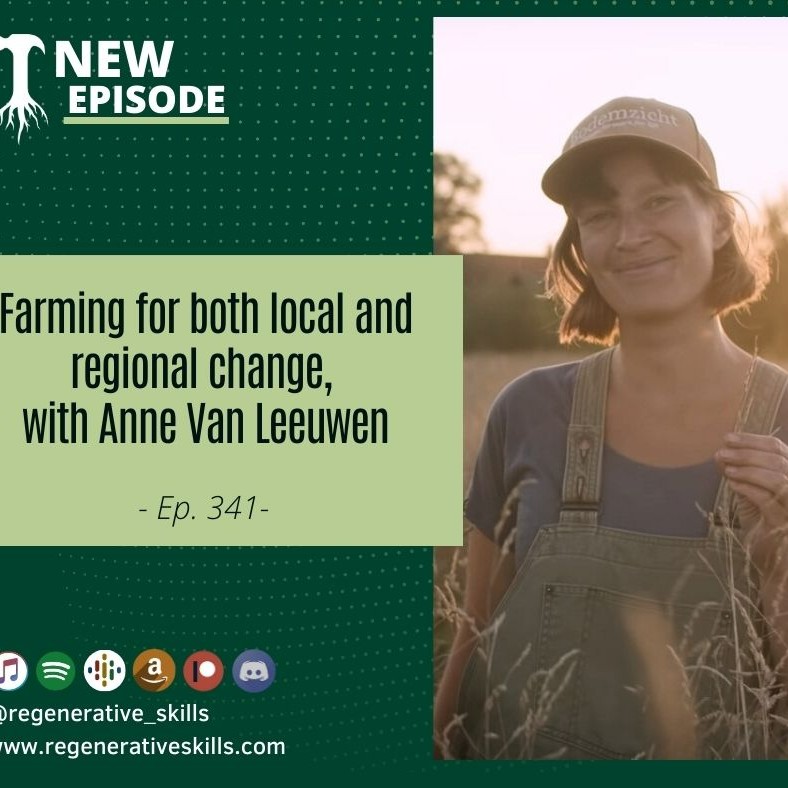
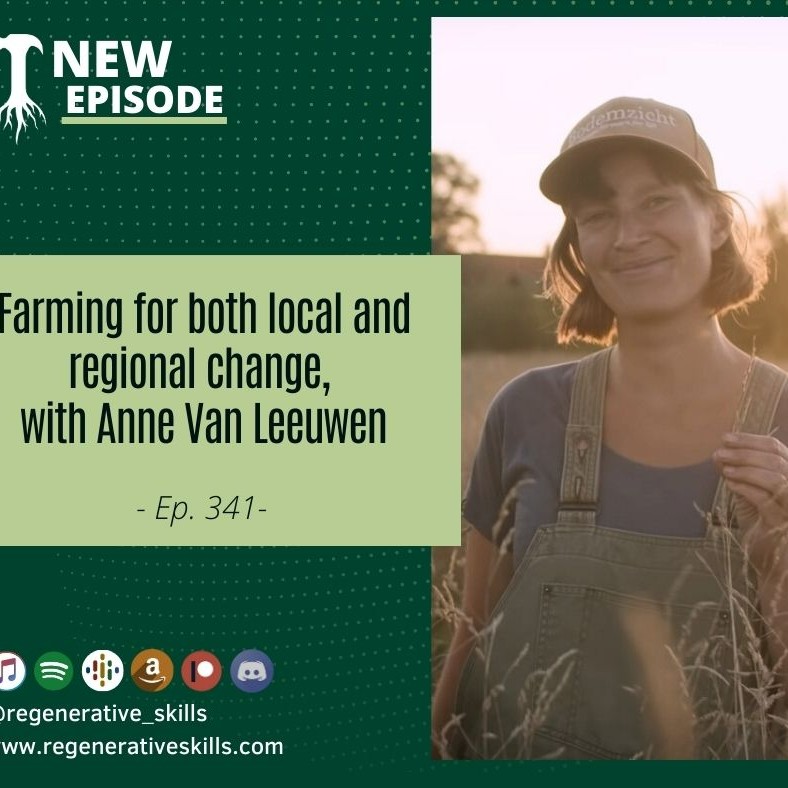
Farming for both local and regional change, with Anne Van Leeuwen [not-audio_url] [/not-audio_url]

Duration: 56:10
Today’s conversation is the first of a two part conversation with Anne Va Leeuwen from Bodemzicht in the Netherlands that I’ve been looking forward to for quite a few years. Anne and her husband Ricardo and I met for the…
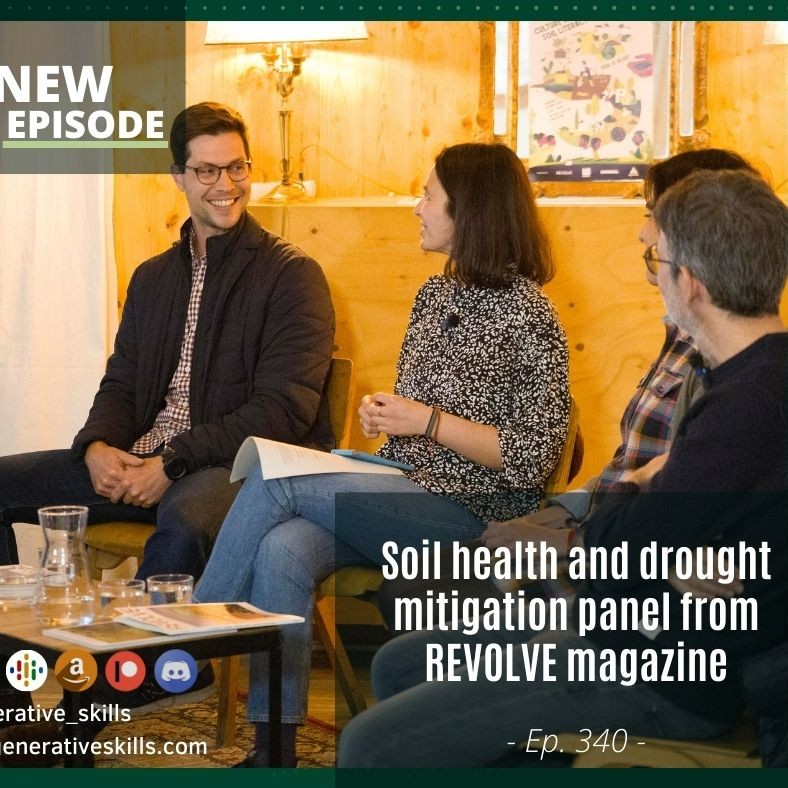
Soil health and drought mitigation panel from REVOLVE magazine [not-audio_url] [/not-audio_url]

Duration: 1:04:14
A couple weeks ago I was invited to speak on a panel discussion about soil health for the release of a new issue of REVOLVE magazine. Established in 2010, REVOLVE inspires climate action by keeping you informed about the…
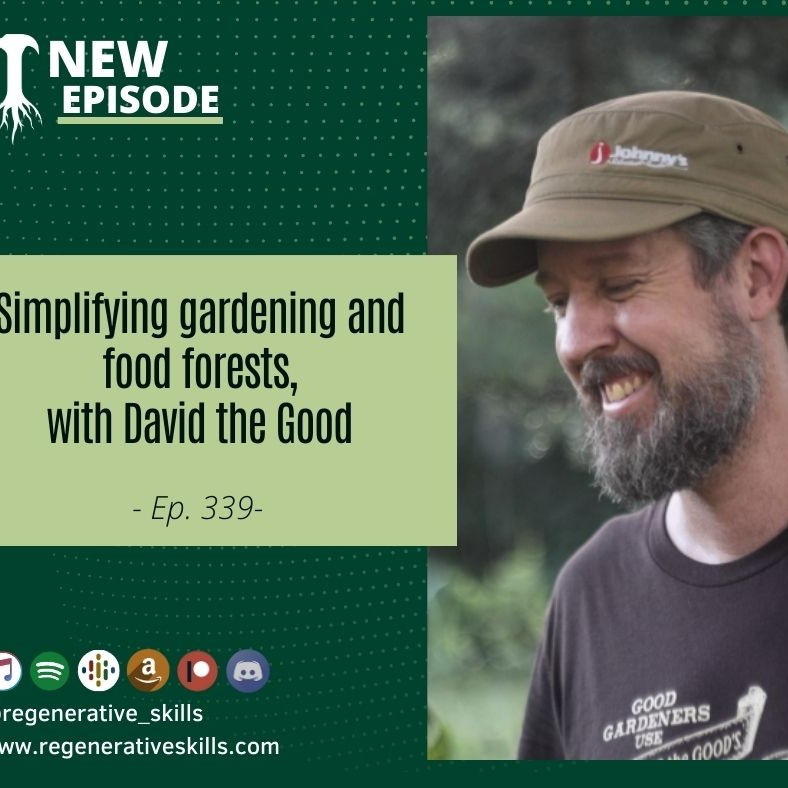
Simplifying gardening and food forests, with David the Good [not-audio_url] [/not-audio_url]

Duration: 1:19:25
Continuing on the theme of last week’s episode in which I spoke with Jessica Robertson about community food forests, we’re going to go deeper into the practical knowledge and skills that anyone can develop to create thei…