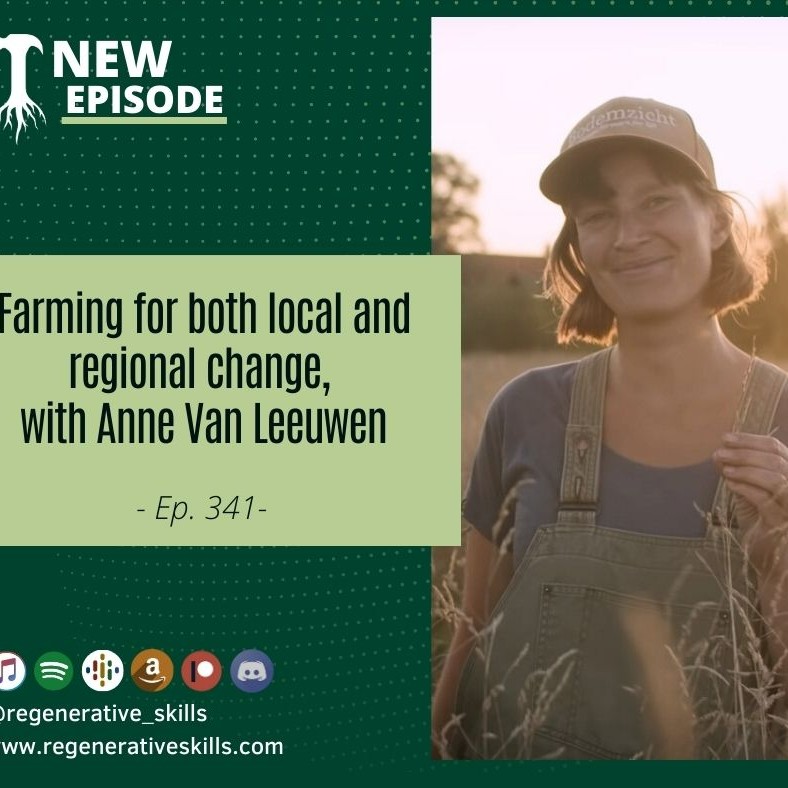
Farming for both local and regional change, with Anne Van Leeuwen

Farming for both local and regional change, with Anne Van Leeuwen

Author: Oliver Goshey May 24, 2024 Duration: 56:10
Today’s conversation is the first of a two part conversation with Anne Va Leeuwen from Bodemzicht in the Netherlands that I’ve been looking forward to for quite a few years. Anne and her husband Ricardo and I met for the first time at the first Climate Farmers conference in Germany 3 years ago. By then they were already building a reputation in the Dutch regen ag scene as leaders and innovators. Since then they’ve continued to take a leading role in bringing visibility to regenerative farming, the challenges that farmers face, and advocate for the creation of a regenerative agrifood system in the Netherlands and beyond. At the core of their advocacy has been the inspiring example of their own farm which not only produces high quality produce and animal products for locals, but has served as a hub for training, presentations and community gatherings since it began. I organized this interview with Anne as she and their organization have just completed a move to a new farm location. Their tenure at their original site was up and we had been in communication throughout their process of looking for new land and all of the planning, preparation, and logistics involved with moving their operation to a new place. Now that they’re getting settled, I was excited to have Anne share her learnings and experience from the process on this show. Beyond the moving experience, Anne and I also cover a lot of other topics which range from the learnings they’ve gathered in the previous years both in pioneering their innovative farm model, regenerating their environment through conscious cultivation and care, navigating the challenges in the current farming system in the Netherlands, new cooperative farming models, lobbying for European Agriculture policy reform, and much more.

What does it mean to live a regenerative life, and how do we actually do it? That's the central question explored in Regenerative Skills, hosted by Oliver Goshey. This isn't just about theory; it's a practical dialogue focused on stewardship of the natural world and fostering strong, resilient communities. Every week, Oliver brings conversations with a diverse range of global experts right to your ears, translating their knowledge into actionable steps you can integrate into your daily habits. You'll hear tangible strategies for everything from soil health and sustainable food systems to building local networks and re-skilling ourselves for a better future. The aim is to move beyond sustainability toward active regeneration, providing the tools and perspectives needed to make a tangible difference right where you are. Tune into this educational podcast for a grounded, hopeful, and deeply informative journey. Together, these discussions build a comprehensive guide for anyone looking to heal their relationship with the environment and their neighbors, proving that positive change is woven from countless small, intentional actions.
Author: Language: en-us Episodes: 100

Regenerative Skills
Podcast Episodes
Drought: Part 1. The myths, misconceptions, and causes: redux [not-audio_url] [/not-audio_url]

Duration: 55:23
It’s that time again. In todays’ regenerative round table, my good friend Nick Steiner and I give updates on our respective projects. Him on the Island of Tenerife and myself in the mountains of central Catalunya in Spai…
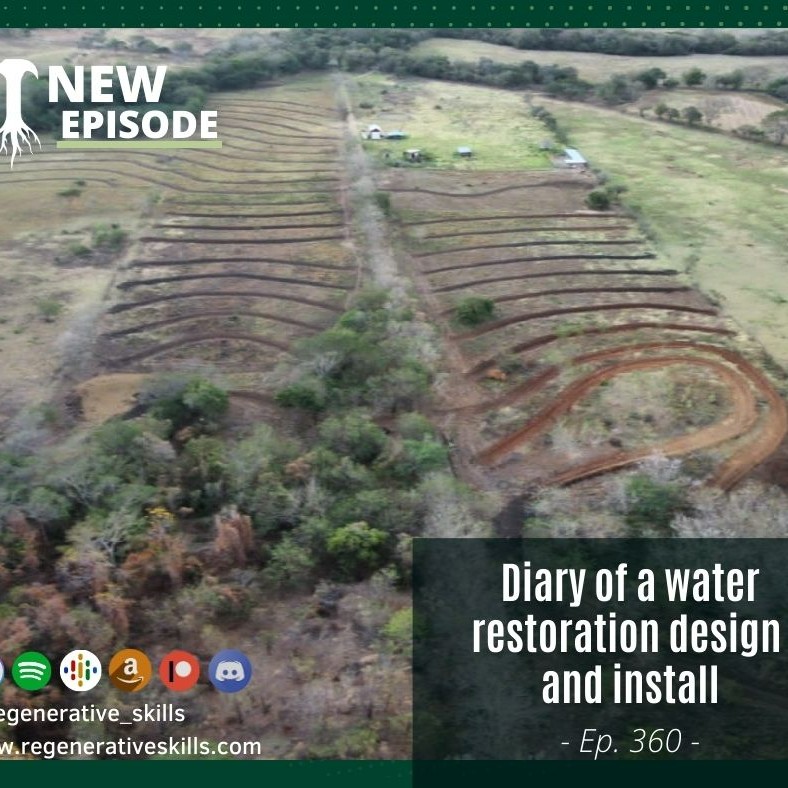
Diary of a water restoration design and install [not-audio_url] [/not-audio_url]

Duration: 1:09:35
Today I want to go back to one of my favorite episodes of the last few years. This was back at the start of the 7th season, so almost two years ago. I was trying out a new format as I headed out on a water retention land…
Managing floods, erosion, and living coastlines, with Mike Lynn [not-audio_url] [/not-audio_url]

Duration: 1:19:09
So much of the conversation around water revolves around its scarcity. Today we’ll get a chance to explore how to manage water regeneratively when the challenge is having too much. As arid zones become drier, the opposit…