Who gets to say what "regeneration" means?

Who gets to say what "regeneration" means?

Author: Oliver Goshey February 23, 2026 Duration: 39:41
Welcome to episode two of season ten of the Regenerative Skills podcast. As I mentioned last time, the show is changing this year: we’re moving to two episodes a month, and I’ll be alternating between two formats. The first is the panel conversations that have become a favorite over the last couple of years—three guests, three perspectives, one question that keeps surfacing inside the Climate Farmers community. The second format is what we’re launching today: Deep Dives. These are my attempt to bring complexity back into regenerative agriculture at a time when the online discourse is increasingly dominated by slogans, hot takes, and click-bait certainty. In these episodes we’ll weave narrative, investigative threads, and carefully chosen interview excerpts—not to land on a single “correct” stance, but to help you feel the texture of the problem and the tradeoffs behind each position. Today’s Deep Dive is a question that provokes strong opinions for good reason: who gets to say what “regenerative” means? Rather than offering a definitive answer, I’m inviting you to sit with the motivations and incentives that shape any definition—whether it’s coming from farmers, certifiers, nonprofits, corporations, or measurement platforms. You’ll hear from Joao and Diogo of Monte Silveira in central Portugal—one of the first large farms in the country to achieve Regenerative Organic Certification—on why certification mattered to their market strategy without changing how they manage the land. You’ll hear from Ana Digon of the Iberian Regenerative Agriculture Association on how organic standards became diluted and why her network built a farmer-led, principle-based definition to protect integrity. We’ll bring in Benjamin Fahrer, who helped guide the ROC certification process and wrestles with who should have the authority to set standards, and we’ll close with Phil Fernandez, who led Climate Farmers’ MRV work and explains why definitions become unavoidable once monitoring, reporting, and compliance enter the picture. Along the way I’ll name the many other perspectives shaping this debate online—from soil-health purists and carbon-first programs to agroecology, corporate “regen” initiatives, and the often-overlooked critique of appropriation from Indigenous and peasant traditions—and we’ll end by pointing to the deeper issue behind the whole mess: the loss of relationship and trust in our food systems. Next month we go practical: measuring regeneration—what’s worth tracking, what gets distorted, and how we stay grounded when dashboards start pretending to be truth.

What does it mean to live a regenerative life, and how do we actually do it? That's the central question explored in Regenerative Skills, hosted by Oliver Goshey. This isn't just about theory; it's a practical dialogue focused on stewardship of the natural world and fostering strong, resilient communities. Every week, Oliver brings conversations with a diverse range of global experts right to your ears, translating their knowledge into actionable steps you can integrate into your daily habits. You'll hear tangible strategies for everything from soil health and sustainable food systems to building local networks and re-skilling ourselves for a better future. The aim is to move beyond sustainability toward active regeneration, providing the tools and perspectives needed to make a tangible difference right where you are. Tune into this educational podcast for a grounded, hopeful, and deeply informative journey. Together, these discussions build a comprehensive guide for anyone looking to heal their relationship with the environment and their neighbors, proving that positive change is woven from countless small, intentional actions.
Author: Language: en-us Episodes: 100

Regenerative Skills
Podcast Episodes
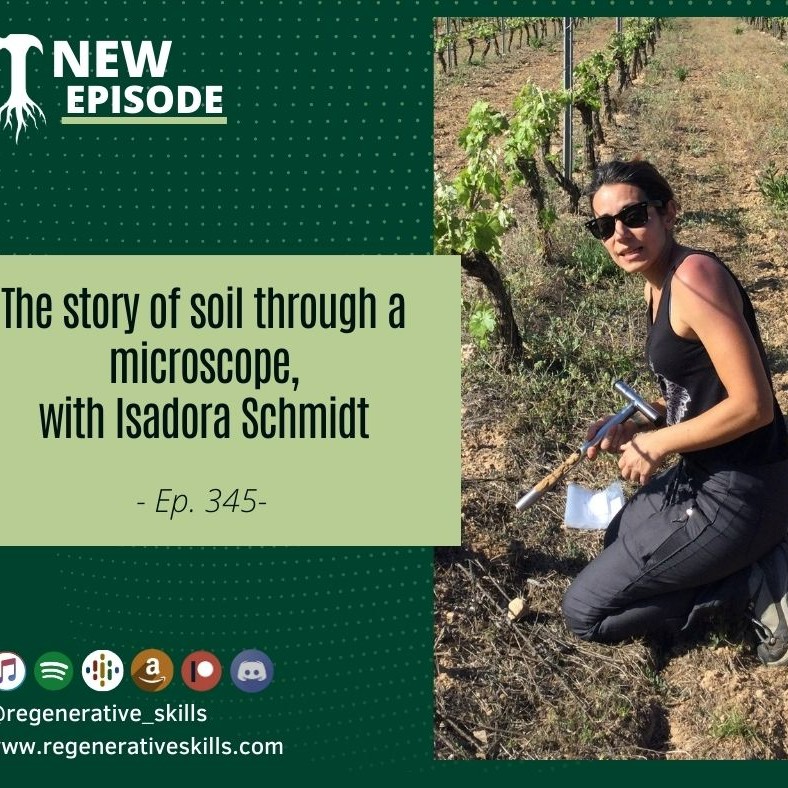
The story of soil through a microscope, with Isadora Schmidt [not-audio_url] [/not-audio_url]

Duration: 1:01:48
Continuing with my series highlighting badass local people around my community here in Spain, I was really pleased to be able to share this conversation that I had with a new close friend of mine and soil health advocate…
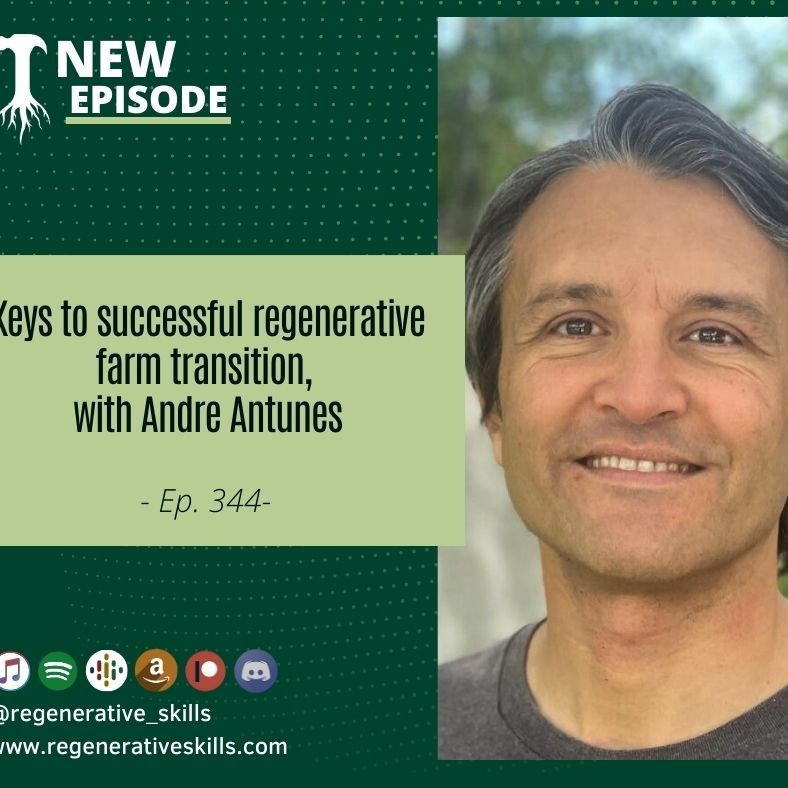
Keys to successful regenerative farm transition, with Andre Antunes [not-audio_url] [/not-audio_url]

Duration: 1:11:45
I have to admit, there is an unsung hero behind many of my favorite interviews of the past couple years. Connections and recommendations to some of the people who I’ve learned the most from in some recent discussions wit…
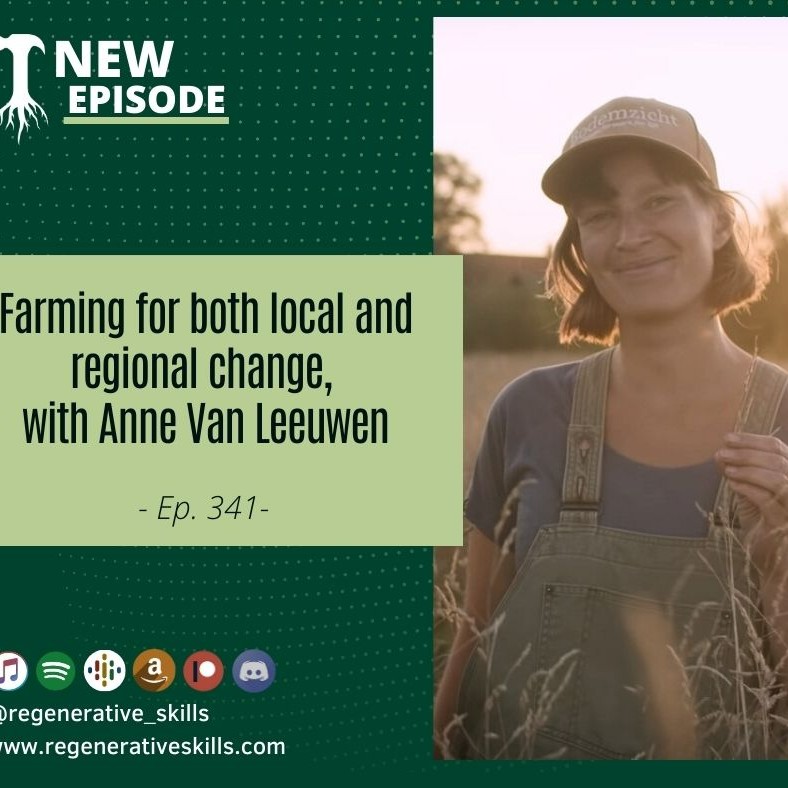
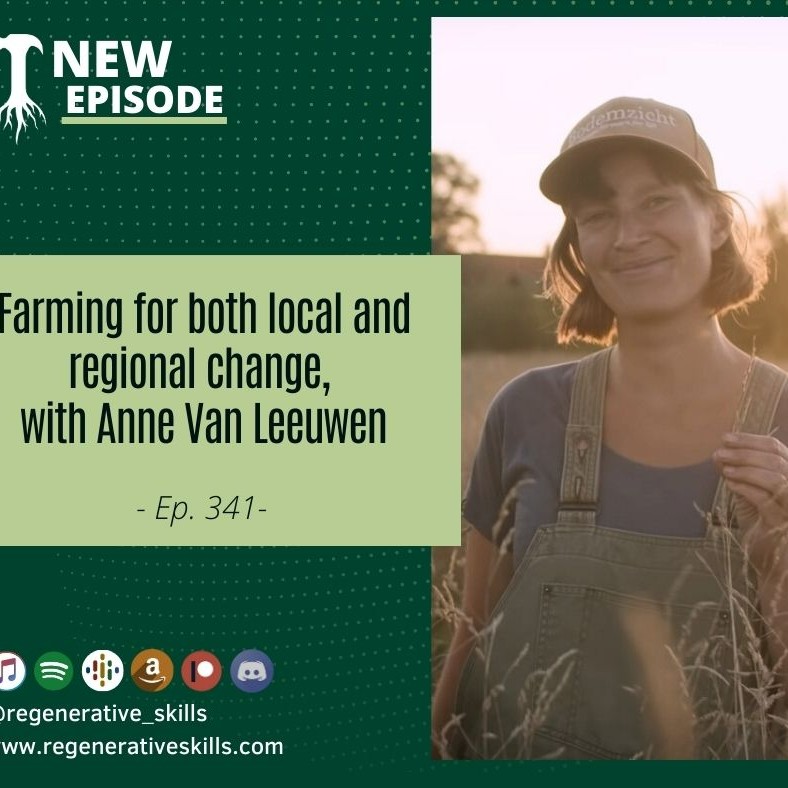
Farming for both local and regional change, with Anne Van Leeuwen [not-audio_url] [/not-audio_url]

Duration: 56:10
Today’s conversation is the first of a two part conversation with Anne Va Leeuwen from Bodemzicht in the Netherlands that I’ve been looking forward to for quite a few years. Anne and her husband Ricardo and I met for the…
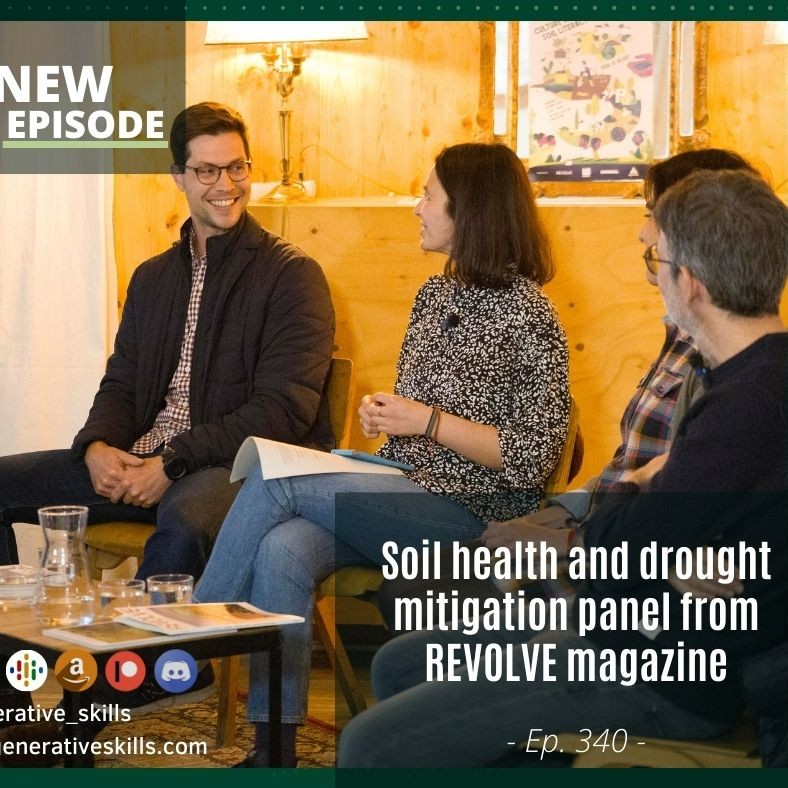
Soil health and drought mitigation panel from REVOLVE magazine [not-audio_url] [/not-audio_url]

Duration: 1:04:14
A couple weeks ago I was invited to speak on a panel discussion about soil health for the release of a new issue of REVOLVE magazine. Established in 2010, REVOLVE inspires climate action by keeping you informed about the…
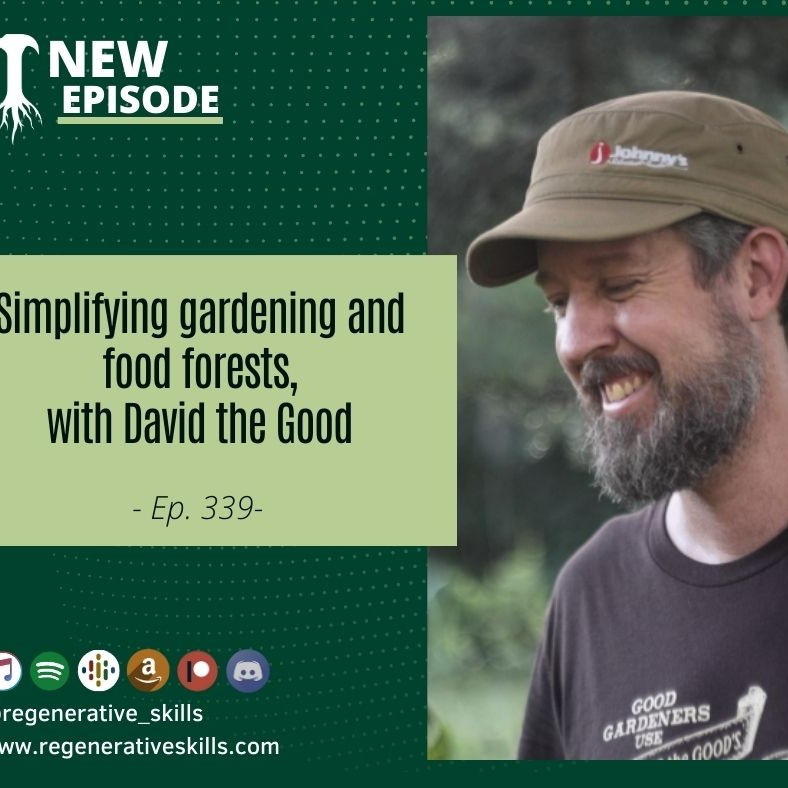
Simplifying gardening and food forests, with David the Good [not-audio_url] [/not-audio_url]

Duration: 1:19:25
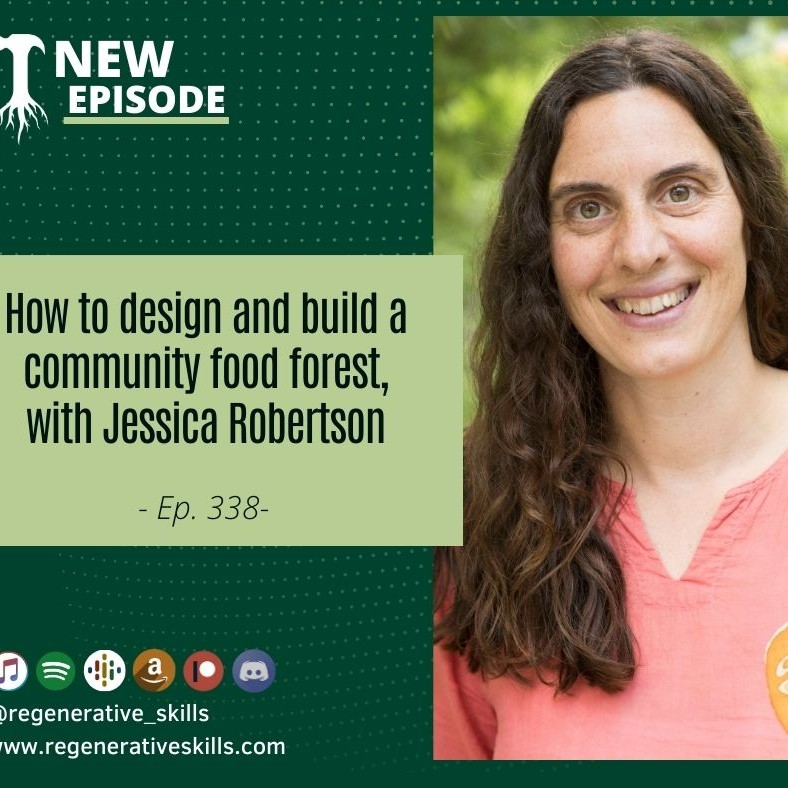
Continuing on the theme of last week’s episode in which I spoke with Jessica Robertson about community food forests, we’re going to go deeper into the practical knowledge and skills that anyone can develop to create thei…
Finding the potential in "invasive" species, with Tao Orion [not-audio_url] [/not-audio_url]

Duration: 1:19:59
I’m really lucky that I have been collaborating with book publishers since the early days of this podcast. It gives me access to all of the books from the authors that I interview and the full catalogs of most of the pub…