How might Generative AI affect patriarchy?

How might Generative AI affect patriarchy?

Author: Dr Alice Evans May 22, 2023 Duration: 6:11
The future is up for grabs. Nothing is pre-determined. We are all ships navigating through oceans of technological innovations, corporate monopolies, charismatic leaders and reverse dominance coalitions. Automation could be designed in a way to raise workers’ marginal productivity and boost their pay. Recognising that there are many potential outcomes, let me share three major risks: 1) Automation could displace labour in developing countries and slow urbanisation 2) Feeling threatened, societies may ramp up cultural tightening and norm policing 3) Authoritarians may use digital technologies to repress feminist activism

Conversations on ROCKING OUR PRIORS begin with a simple, powerful idea: that our deepest assumptions about how societies progress deserve a second look. Host Dr Alice Evans, drawing from her roles at King’s College London and the Harvard Kennedy School, doesn’t just interview leading experts-she engages them in a genuine dialogue. Each episode digs into the interconnected engines of change: economic growth, the nuances of governance, and the persistent structures of gender inequality. You’ll hear discussions that are both academic and accessible, where complex theories are tested against real-world evidence and historical patterns. The aim is to unsettle comfortable narratives and examine how transformation actually happens across different cultures. This isn't a lecture series; it's an ongoing exploration designed to challenge and refine your perspective. Tune into the podcast for thoughtful, evidence-based conversations that might just change how you see the world's most pressing social and economic questions.

Author: Language: English Episodes: 100

ROCKING OUR PRIORS
Podcast Episodes
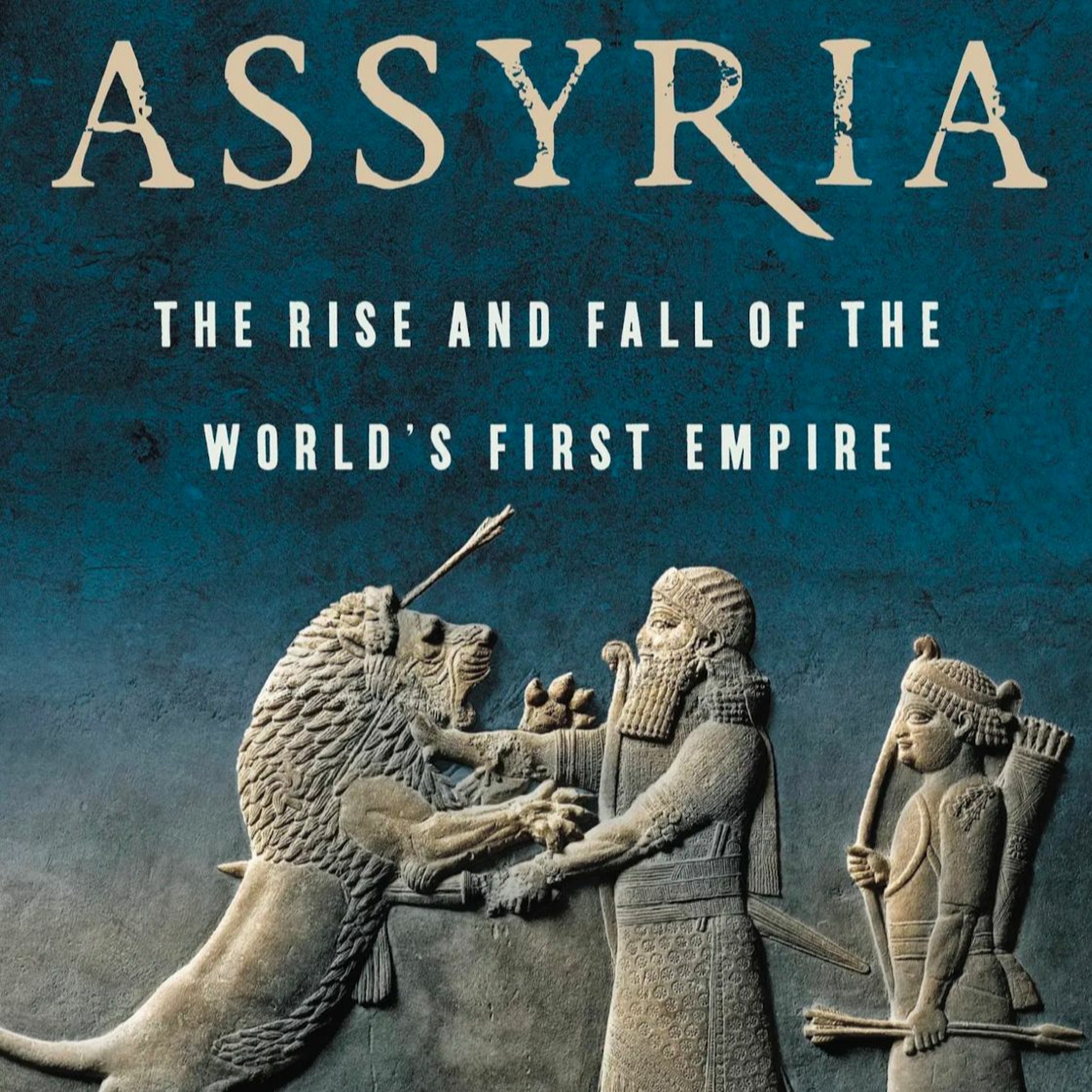
Imperial Expansion & Female Seclusion in Assyria [not-audio_url] [/not-audio_url]

Duration: 9:00
Assyria was the world’s first empire. Powerful kings marshalled professional armies, conquered vast territory (from Anatolia to the Persian Gulf), presided over a complex bureaucracy, deported thousands of workers, and a…
Attacks on Women who Rise Up [not-audio_url] [/not-audio_url]

Duration: 5:13
When women rise up to positions of power, they are often attacked. Gianmarco Daniele, Gemma Dipoppa, and Massimo Pulejo have a tremendous paper analysing (online and offline) attacks on Italian mayors. Marginally elected…
Why was Ancient Nubia less controlling than Ancient Egypt? [not-audio_url] [/not-audio_url]

Duration: 8:08
Ancient Nubia presents a puzzle, suggests David Wengrow. “How [did] its population manage to prevent the emergence of domination in their own midst, despite the existence of Egyptian models of governance on their doorste…
The Roots of Cooperation [not-audio_url] [/not-audio_url]

Duration: 10:16
Americans used to farm a rich variety of crops. Some were very labour intensive, requiring neighbourly cooperation. In these counties, parents were more likely to give their children names that were common. This may indi…
Why are East Asians culturally tight collectivists? [not-audio_url] [/not-audio_url]

Duration: 13:00
East Asians typically prefer social cohesion and harmony, rather than self-expression and individualism. They are ‘culturally tight’. While Latin Americans believe it’s fine to pick and choose your friends, East Asians t…
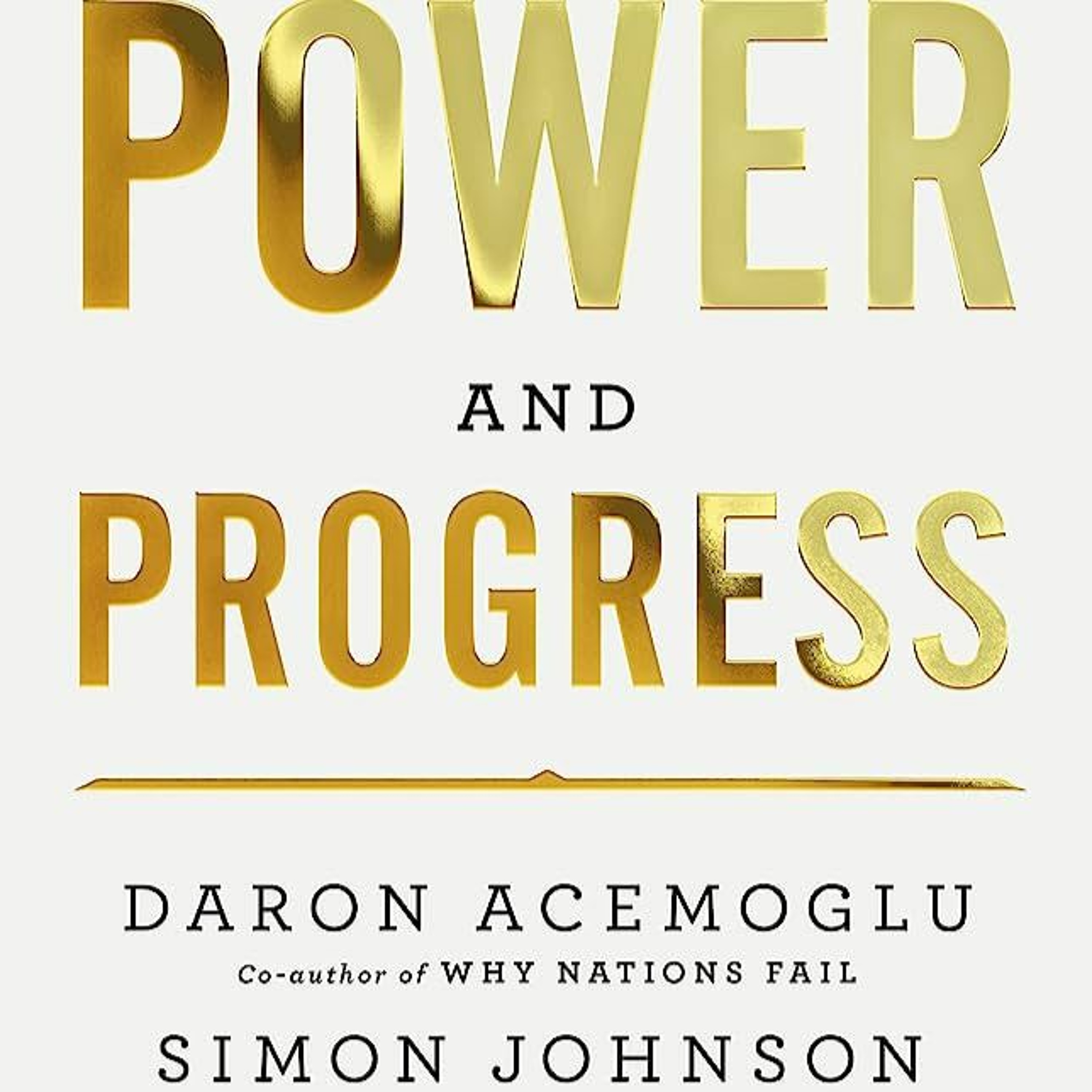
"Power & Progress": Professor Daron Acemoglu [not-audio_url] [/not-audio_url]

Duration: 59:42
We are living in an age of incredible technological innovation. But is it actually benefitting humanity? MIT Professors Daron Acemoglu and Simon Johnson have a tremendous new book on this exact question: “Power and Progr…